DogBreedCompass
← Back to breed profile

Understanding Jack Russell Terrier Brachycephalic Features

Jack Russell Terriers can have brachycephalic features that lead to breathing difficulties. This can impact their overall health and happiness. (Jack Russell Terrier brachycephalic features)

Understanding Jack Russell Terrier Brachycephalic Features infographic

Typical owners facing this issue often include first-time dog parents or those who may not be familiar with the breed's specific health needs. Busy families or individuals living in smaller spaces may find it especially challenging to manage these breathing concerns.

Important reminder

This guide is not medical advice. If your dog shows pain, sudden behavior change, or worsening symptoms, consult a licensed veterinarian.

Some links may be affiliate links. We may earn a commission at no extra cost to you. We only suggest products we believe are helpful for dog owners.

What this problem looks like

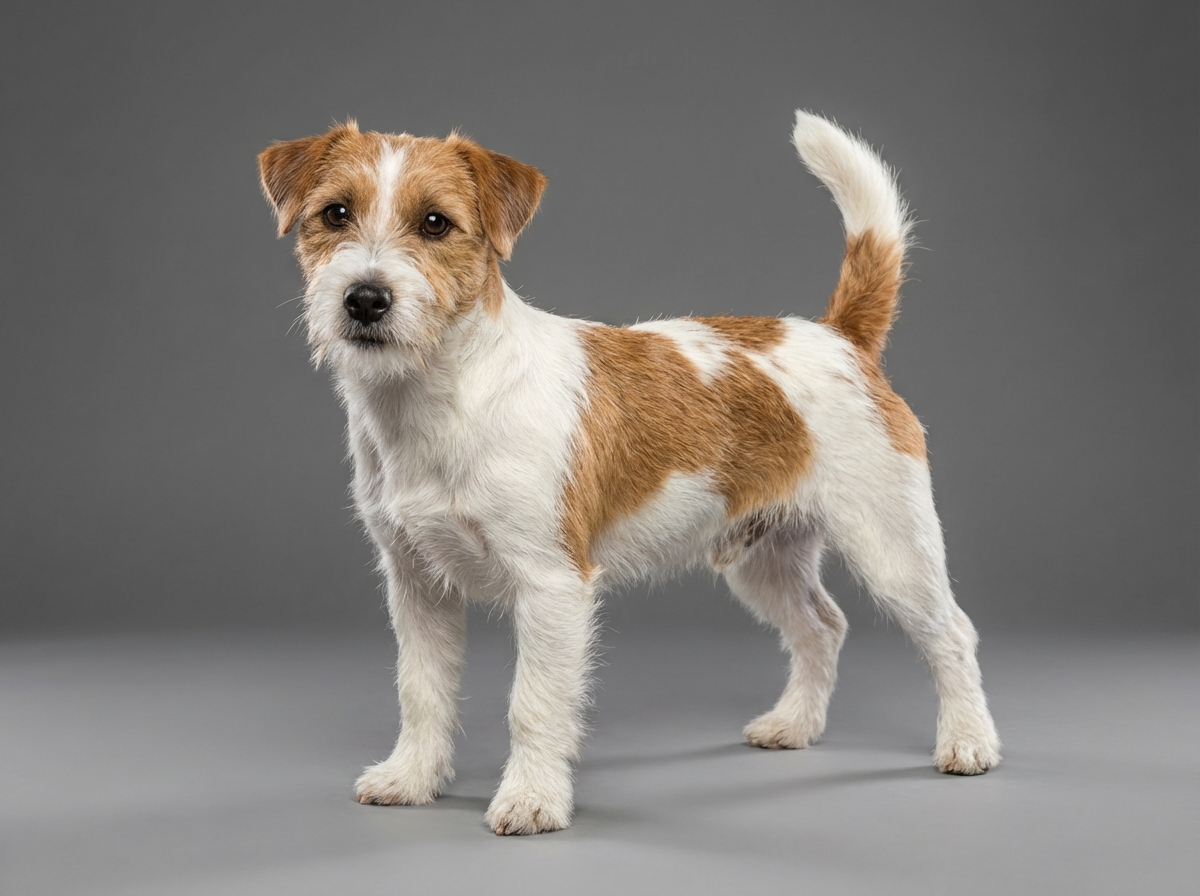
Jack Russell Terriers are known for their energetic and fearless nature, but some may develop brachycephalic features, which can lead to breathing difficulties. This issue typically manifests as labored breathing, snoring, and an intolerance to heat. Owners may notice their JRT struggling during exercise or showing signs of distress, especially in warmer weather.

Common triggers

  • Hot weather or humidity
  • Exertion during play or exercise
  • Obesity or excessive weight gain
  • Nasal blockages or allergies

While brachycephalic features are less common in Jack Russell Terriers compared to some breeds, they can still occur, especially if the dog has inherited certain traits. This can lead to moderate breathing difficulties that may require attention from a vet.

Why this happens

Breed factors

Jack Russell Terriers are not typically classified as brachycephalic breeds. However, some individuals may exhibit brachycephalic features, which can lead to breathing difficulties. This is often due to inherited traits from their lineage or selective breeding.

Environment factors

Factors such as obesity, environmental stressors, and temperature extremes can worsen breathing issues in any dog. Additionally, inadequate exercise or poor living conditions can exacerbate these problems.

What you can try

At-home strategies

  • Maintain a healthy weight for your Jack Russell Terrier. Regular vet check-ups can help monitor their weight and overall health.
  • Create a calm environment. Minimize stressors like loud noises or sudden changes in the household that may trigger anxiety.
  • Ensure your dog gets enough exercise, but avoid overexertion, especially in hot or humid weather. Short, frequent walks can help.
  • Use positive reinforcement training to encourage calm behavior, which can help reduce anxiety and breathing issues.

When to consider a trainer

If your Jack Russell Terrier's breathing difficulties persist despite your efforts, or if they show signs of severe anxiety or behavioral issues, consider consulting a professional dog trainer. They can provide specialized strategies tailored to your dog's needs.

When to talk to your vet

If your dog experiences persistent breathing problems, lethargy, or any signs of distress, it's crucial to consult your vet. They can assess for underlying health concerns and recommend appropriate treatments or interventions.

Realistic expectations

If you start training and managing your Jack Russell Terrier's brachycephalic features right away, you can expect to see improvements within a few weeks. However, full behavioral adjustments may take several months.

Success means your dog exhibits fewer breathing issues during exercise and can engage in play without showing distress. You'll also notice better overall behavior and less anxiety in various situations.

Mistakes that make this worse – Jack Russell Terrier brachycephalic features

Avoiding common pitfalls can significantly improve your Jack Russell Terrier's brachycephalic features. Here are some mistakes to avoid and safer alternatives.

  • Ignoring signs of distress: Many owners overlook signs that their Jack Russell is struggling to breathe or is in discomfort. Instead, closely monitor your dog's breathing, especially during exercise or hot weather, and seek veterinary advice if you notice any issues.
  • Over-exercising: Some owners may push their Jack Russell too hard during playtime or walks. Instead, aim for shorter, more frequent walks and incorporate rest periods to prevent overheating and stress on their breathing.
  • Using improper harnesses: Using a collar can put pressure on your dog's throat, worsening breathing issues. Opt for a well-fitted harness that distributes pressure evenly across their body.
  • Neglecting weight management: Overweight dogs can experience more severe breathing difficulties. Ensure your dog maintains a healthy weight through a balanced diet and regular vet check-ups.
  • Failing to acclimate to heat: Jack Russells with brachycephalic features can struggle in high temperatures. Provide plenty of cool, shaded areas for them to rest and avoid outdoor activities during peak heat hours.
  • Not seeking professional training: Some owners may attempt to train their dogs without guidance, leading to frustration and anxiety. Consider enrolling in a training class with a professional who understands brachycephalic breeds.
  • Underestimating the importance of routine vet visits: Regular check-ups are vital for managing health issues. Make sure to schedule annual vet visits to monitor your dog's respiratory health and overall well-being.

When It Is an Emergency

Understanding when your Jack Russell Terrier's brachycephalic features become an emergency is crucial. While some symptoms may be mild and manageable at home, others require immediate veterinary attention. Knowing the difference can be life-saving for your furry friend.

**Red-Flag Signs (Call Your Vet Now):** If your Jack Russell Terrier shows any of the following signs, it’s time to call the vet immediately: - **Severe Breathing Difficulty:** Struggling to breathe or gasping for air. - **Cyanosis:** A bluish tint to the tongue or gums indicates a lack of oxygen. - **Excessive Panting:** Panting that doesn’t subside with rest. - **Weakness or Lethargy:** Sudden lack of energy or unwillingness to move. - **Collapse:** If your dog collapses or loses consciousness, seek help immediately.

**Mild Cases (Monitor and Plan):** In some situations, you can monitor your dog at home. If your Jack Russell Terrier experiences mild symptoms, consider these: - **Occasional Snoring:** Some snoring is normal but should not be excessive. - **Mild Exercise Intolerance:** Need for more breaks during playtime. - **Slight Coughing or Gagging:** Can occur occasionally but should not be frequent or severe.

In these cases, keep a close eye on your dog and consult your vet for a care plan. They may recommend specific training or breathing exercises to help manage symptoms. Regular check-ups can also help monitor any changes over time. Remember, it’s always better to err on the side of caution, especially with brachycephalic breeds like the Jack Russell Terrier.

Understanding Jack Russell Terrier Brachycephalic Features - When It Is an Emergency

Megan's Journey with Benny the Jack Russell Terrier

Megan, a busy nurse in Chicago, adopted Benny, her energetic Jack Russell Terrier. Shortly after bringing him home, she noticed that he struggled to breathe during playtime, especially after running around. Concerned about his brachycephalic features, Megan researched how to manage this issue. She began implementing short, controlled play sessions and gradually introduced obedience training to help Benny learn calm behaviors. After a couple of months, Benny showed significant improvement. He could enjoy playtime without panting excessively, and they even took up agility training together.

Key takeaway: With the right management and training techniques, you can help a Jack Russell Terrier with brachycephalic features enjoy a happy, active life.

Frequently asked questions

Why does my Jack Russell Terrier have brachycephalic features?

Jack Russell Terriers typically have a more elongated snout, but some may display brachycephalic traits due to selective breeding. These features can lead to breathing difficulties, especially in hotter conditions. It's important to monitor their breathing and consult with a vet if you notice any issues. This answer relates to Jack Russell Terrier brachycephalic features.

How can I stop my Jack Russell Terrier from having brachycephalic features?

While you can't change your dog's physical traits, you can manage their environment to reduce discomfort. Keep them cool, avoid strenuous exercise in heat, and ensure they have access to fresh water. Training can also help them adjust to their capabilities.

What signs indicate my Jack Russell Terrier is struggling with breathing?

Watch for panting, wheezing, or excessive drooling as signs your Jack Russell is having trouble breathing. If they seem lethargic or are struggling to exercise, it's time to consult your veterinarian for advice. Early intervention can help prevent more serious issues.

Is training effective for Jack Russell Terriers with breathing issues?

Training can help your Jack Russell manage their energy levels and stay calm, which may ease breathing difficulties. Focus on gentle training sessions and positive reinforcement to encourage good behavior. Avoid high-energy activities that could exacerbate breathing problems.

What are some common health issues related to brachycephalic features in Jack Russell Terriers?

Jack Russell Terriers with brachycephalic features may experience issues like heat stress, respiratory distress, and even dental problems. Regular vet check-ups are essential to monitor their health. Keeping them at a healthy weight can also minimize complications.

What are the signs of brachycephalic features in my Jack Russell Terrier?

Signs of brachycephalic features include snoring, labored breathing, and excessive panting. If your Jack Russell Terrier shows these symptoms, it’s essential to consult a vet for a proper evaluation.

Can brachycephalic features affect the lifespan of my Jack Russell Terrier?

Yes, brachycephalic features can lead to respiratory issues, which may shorten the lifespan of your Jack Russell Terrier. Keeping weight in check and maintaining a healthy lifestyle can help mitigate these risks.

How can I help my older Jack Russell Terrier with brachycephalic features?

For older Jack Russell Terriers, ensure they have a comfortable and cool environment. Regular vet check-ups and gentle exercises can also help maintain their health and manage any breathing difficulties.

Is it safe to exercise a Jack Russell Terrier with brachycephalic features?

While exercise is important, you should be cautious with a Jack Russell Terrier that has brachycephalic features. Opt for shorter, less intense sessions, especially in hot weather, to avoid overexertion and breathing problems.

When should I see a vet for my Jack Russell Terrier's breathing issues?

If your Jack Russell Terrier shows persistent signs of breathing difficulties, such as wheezing or excessive panting, it’s time to see a vet. Early intervention can prevent more serious health issues.

Quick answers

View more answers
Behavior

What are quick tips for managing Jack Russell Terrier brachycephalic features?

Provide a cool, shaded area for your Jack Russell, and avoid exercise during hot weather. Regular vet check-ups can help monitor their health, and training can alleviate stress on their breathing.

Costs

How much does it cost to care for a Jack Russell Terrier with brachycephalic features?

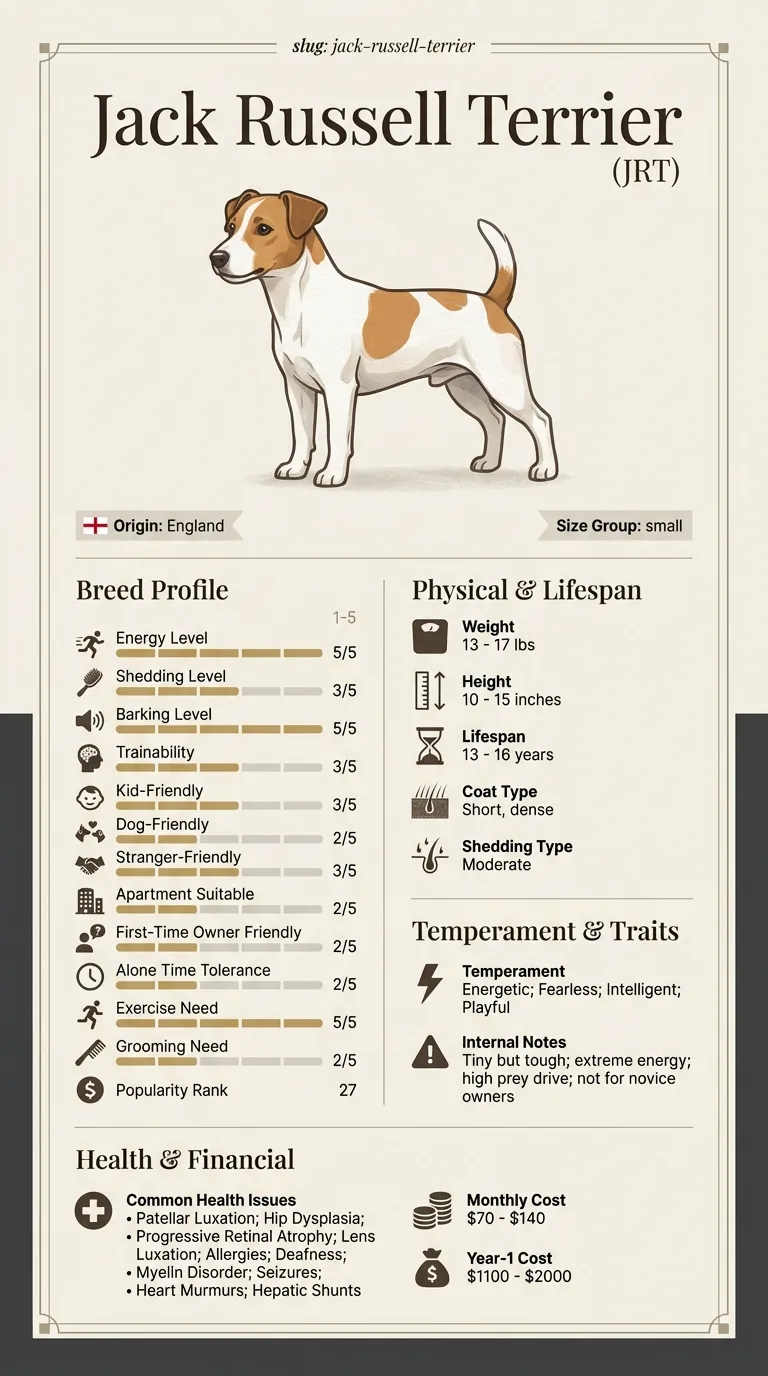
Monthly costs typically range from $70 to $140, depending on health needs and care. Be prepared for potential additional vet visits related to breathing issues.

Behavior

What should I look for in Jack Russell Terrier behavior problems?

Watch for signs of anxiety or difficulty breathing during play. Early intervention can help address behavior issues related to their physical traits.

Related DogBreedCompass guides

  • Jack Russell Terrier behavior problemsLearn about common behavior issues in Jack Russell Terriers, including training tips for better management.
  • Jack Russell Terrier separation anxiety guideExplore how to help your Jack Russell Terrier overcome separation anxiety with effective strategies.
  • how to stop Jack Russell Terrier brachycephalic featuresFind out how to manage and train Jack Russell Terriers with brachycephalic features effectively.
  • Jack Russell Terrier cost breakdownUnderstand the costs involved in owning a Jack Russell Terrier to better prepare for your new pet.
  • Jack Russell Terrier brachycephalic features quick tipsGet quick tips on managing brachycephalic features in Jack Russell Terriers for a healthier lifestyle.

Related guides