Behavior
What are quick tips for managing Shiba Inu insurance claims?
Regular vet check-ups and a healthy diet are key. Train your Shiba Inu to reduce anxiety during visits, and keep an eye on common health issues.

Quick answer
What are quick tips for managing Shiba Inu insurance claims?
Regular vet check-ups and a healthy diet are key. Train your Shiba Inu to reduce anxiety during visits, and keep an eye on common health issues.
Shiba Inu insurance claims can be a headache for owners, often leading to unexpected costs and stress. Addressing these claims is essential for maintaining your pet’s health and your finances.
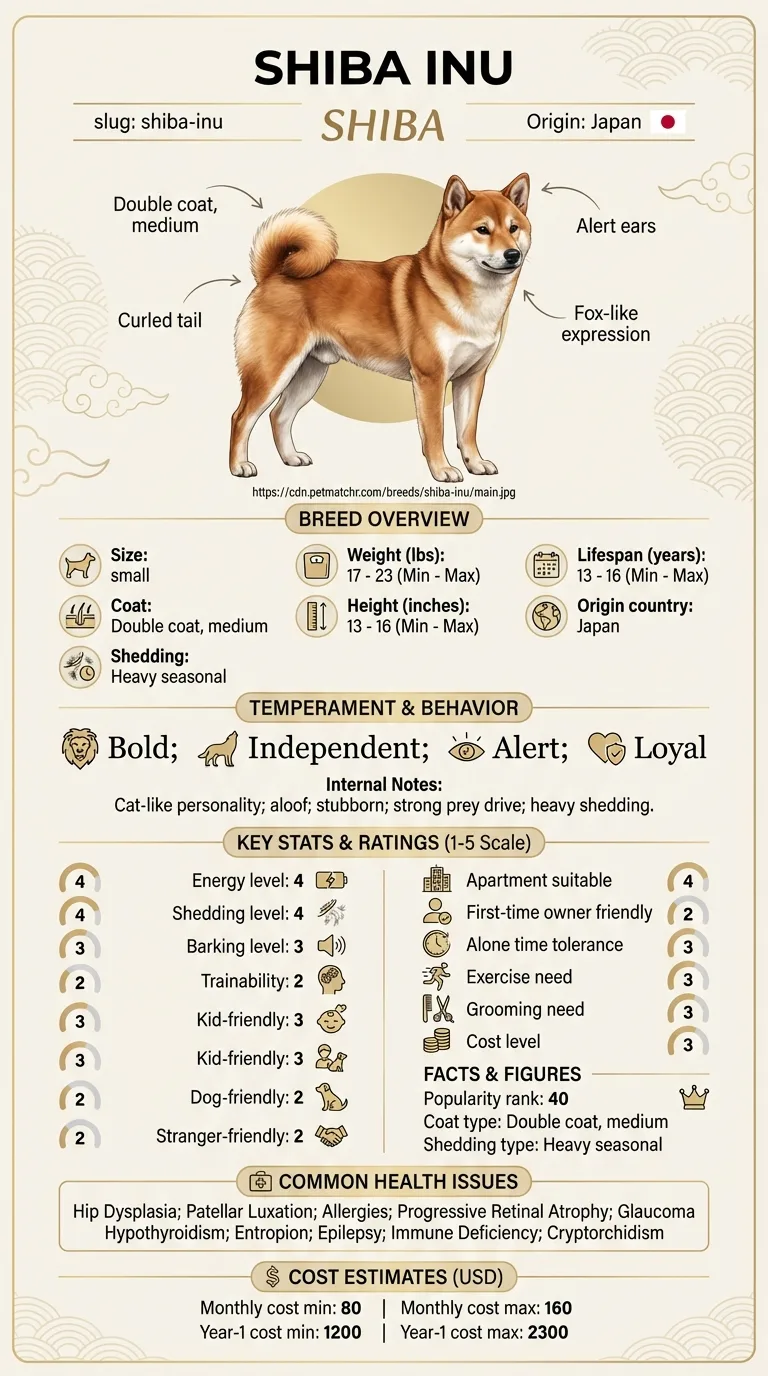
Typically, Shiba Inu owners who face this issue are those with busy lifestyles or first-time pet parents. They might find themselves overwhelmed by the costs of unexpected health problems.
This guide is not medical advice. If your dog shows pain, sudden behavior change, or worsening symptoms, consult a licensed veterinarian.
Some links may be affiliate links. We may earn a commission at no extra cost to you. We only suggest products we believe are helpful for dog owners.
We research and check what we publish, but we do not warrant that any figure, date, price, or statement is accurate, complete, or current, and we accept no liability for any loss, cost, injury, or other harm arising from the use of this site. Use it as one reference among several. You remain responsible for your own decisions and for your dog's care - confirm anything that matters with a licensed veterinarian or another qualified professional before you act on it. Full disclaimer.
Check this first
Understanding when to act on Shiba Inu insurance claims is crucial. If your Shiba Inu shows signs of severe health issues, it’s time to call your vet immediately. Look for symptoms like difficulty breathing, unresponsiveness, or excessive bleeding. These are red flags that require urgent attention.
On the other hand, some situations can be monitored. If your Shiba Inu has minor injuries or mild symptoms like slight limping, you can observe them at home. Keep track of any changes in behavior or health over a few days. If the condition doesn’t improve or worsens, consult your vet.
Being proactive can save your Shiba Inu’s life. Always trust your instincts; if something feels off, don’t hesitate to seek help. Your veterinarian is your best resource for determining the right course of action.
If any of these apply, call your vet or an emergency clinic now. The rest of this page is for the cases that are not an emergency.
Shiba Inu insurance claims can become a frequent headache for owners. These dogs may exhibit behaviors that lead to higher insurance claims, such as anxiety or destructive tendencies. Day-to-day, this might look like your Shiba Inu chewing furniture when left alone or becoming overly stressed in new environments.
Insurance claims related to behavior problems are quite common among Shiba Inus. Many owners report similar issues, especially during their dog's first year as they adapt to their new home. Training and socialization can help reduce these claims over time.
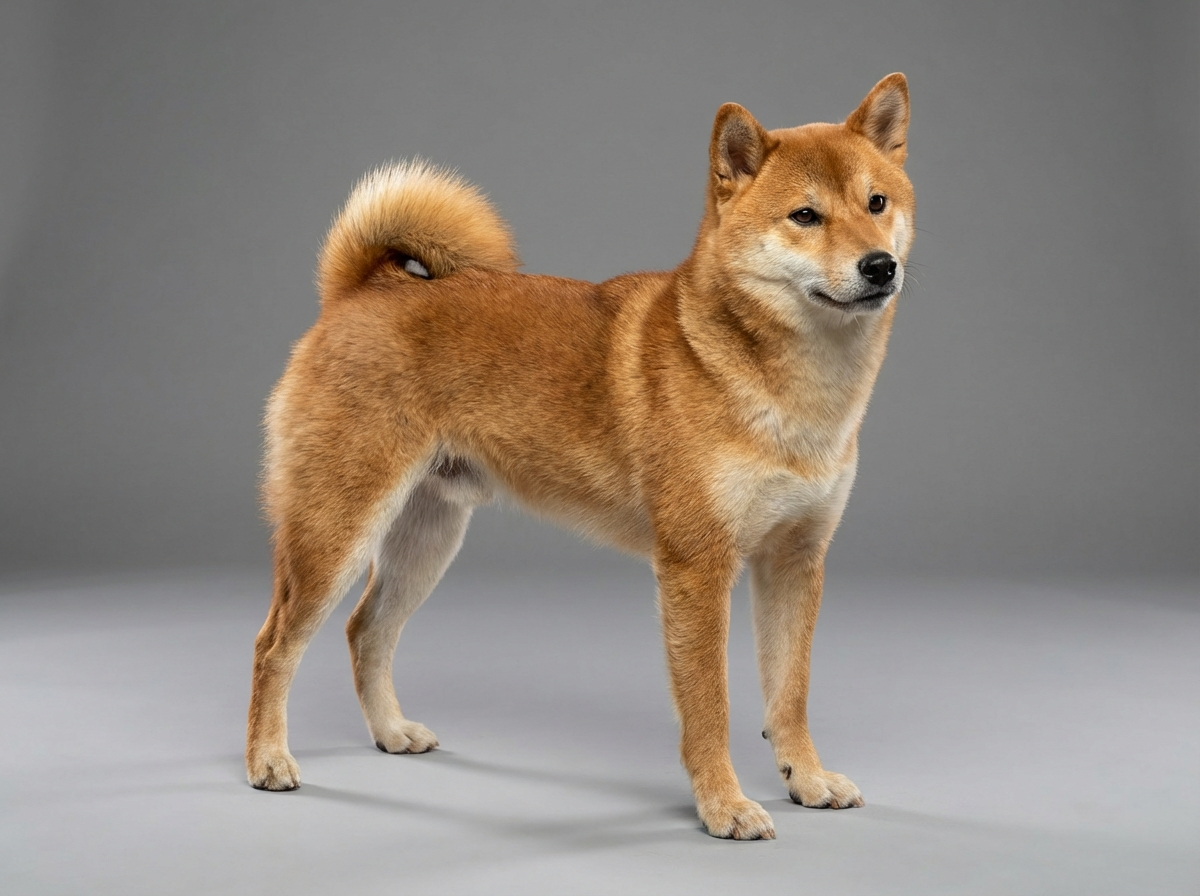
Shiba Inus are known for their independent nature and strong will. This breed can sometimes develop stubborn behaviors that lead to accidents, injuries, or health problems requiring insurance claims. Their tendency to be vocal can also result in stress-related issues.
The environment plays a crucial role in a Shiba Inu's behavior. If they are left alone for long periods without adequate stimulation, they may act out, leading to injuries or destructive behavior. Additionally, a lack of socialization can make them anxious, increasing the likelihood of incidents that could result in claims.
If your dog experiences frequent accidents or injuries that lead to insurance claims, consult your veterinarian. They can rule out any underlying medical issues and suggest appropriate training or behavioral interventions.
Avoiding these common mistakes can help you manage Shiba Inu insurance claims more effectively.
Start here: Shiba Inu Most Common Genetic Disorders: What to Screen For
See all Shiba INU health problems, which breeds are prone to insurance claims, or the full Shiba INU breed guide for temperament, exercise needs and ownership costs.
You can expect to see improvements in your Shiba Inu's behavior within 4 to 8 weeks of consistent care and management strategies.
Success means that your Shiba Inu will show reduced anxiety and fewer instances of behaviors leading to insurance claims, allowing you to enjoy a calmer home.
Sarah, a busy nurse in New York, adopted a Shiba Inu named Kiko. Within months, she noticed Kiko was anxious and often chewed furniture, leading to multiple insurance claims for damages. After realizing that Kiko's anxiety stemmed from separation issues, Sarah sought help. She enrolled in a training program focused on easing separation anxiety and implemented daily routines for Kiko. Through consistent training and positive reinforcement, Kiko learned to feel more secure when left alone. Now, Sarah can confidently leave Kiko at home without fear of damage or claims.
Key takeaway: With patience and the right training, it's possible to reduce anxiety-related behaviors in your Shiba Inu, ultimately lowering the risk of insurance claims.
Shiba Inus can have insurance claims due to their unique health predispositions. Common issues may include skin allergies or joint problems, which can lead to increased vet visits. Regular check-ups and preventive care can help reduce these claims.
To minimize Shiba Inu insurance claims, focus on preventative health care. Ensure your dog receives regular vet check-ups and vaccinations. Additionally, maintain a healthy diet and active lifestyle to prevent common health issues.
Training your Shiba Inu to manage stress and anxiety can reduce health-related issues. Use positive reinforcement techniques to encourage calm behavior during vet visits. This can help lower stress and potentially reduce future claims.
Yes, Shiba Inus are commonly prone to conditions like hip dysplasia and allergies. These health issues can result in frequent vet visits, leading to insurance claims. Awareness and proactive management of these conditions are essential.
If your Shiba Inu shows signs of discomfort, such as excessive scratching or limping, it may need veterinary attention. Look for behavioral changes like increased anxiety or lethargy, which can indicate underlying health issues.
Shiba Inus are prone to certain health issues that could lead to insurance claims. Hip dysplasia, allergies, and skin conditions are among the most common. Being aware of these can help you prepare and possibly prevent unexpected costs.
To minimize insurance claims, focus on preventive care such as regular vet visits and proper nutrition. Additionally, training your Shiba Inu to manage anxiety and behavioral issues can also help, as stress-related claims can be common.
If your Shiba Inu has frequent claims, it may be time to reassess their health and care routine. Consulting with your veterinarian can provide insights into underlying issues. Additionally, consider behavioral training to address any anxiety or stress that could be affecting their health.
Some insurance plans may cater specifically to breeds like Shiba Inus, focusing on their unique health risks. It's essential to compare different policies to find one that covers conditions common to this breed. Reading reviews from other Shiba Inu owners can also guide your choice.
Yes, as dogs age, they often develop health issues that can lead to increased insurance claims. Regular health check-ups for older Shiba Inus can help catch problems early, potentially reducing claims and ensuring a better quality of life.
Regular vet check-ups and a healthy diet are key. Train your Shiba Inu to reduce anxiety during visits, and keep an eye on common health issues.
Bring a favorite toy or blanket to comfort your Shiba Inu. Practice short car trips to acclimate them to traveling, making the vet visit less stressful.
Common conditions include allergies, hip dysplasia, and dental issues. Being aware of these can help you take preventive measures.
Insurance costs can vary, but Shiba Inus may have higher premiums due to their potential health issues. It's wise to compare different plans to find the best coverage.
A one-page prep sheet for this condition: the signs, the questions to ask, what to get priced. Unlocks here.
You get: Vet visit prep sheet
No spam. One-click unsubscribe. See our privacy policy.
Preview page 1 before you decide.