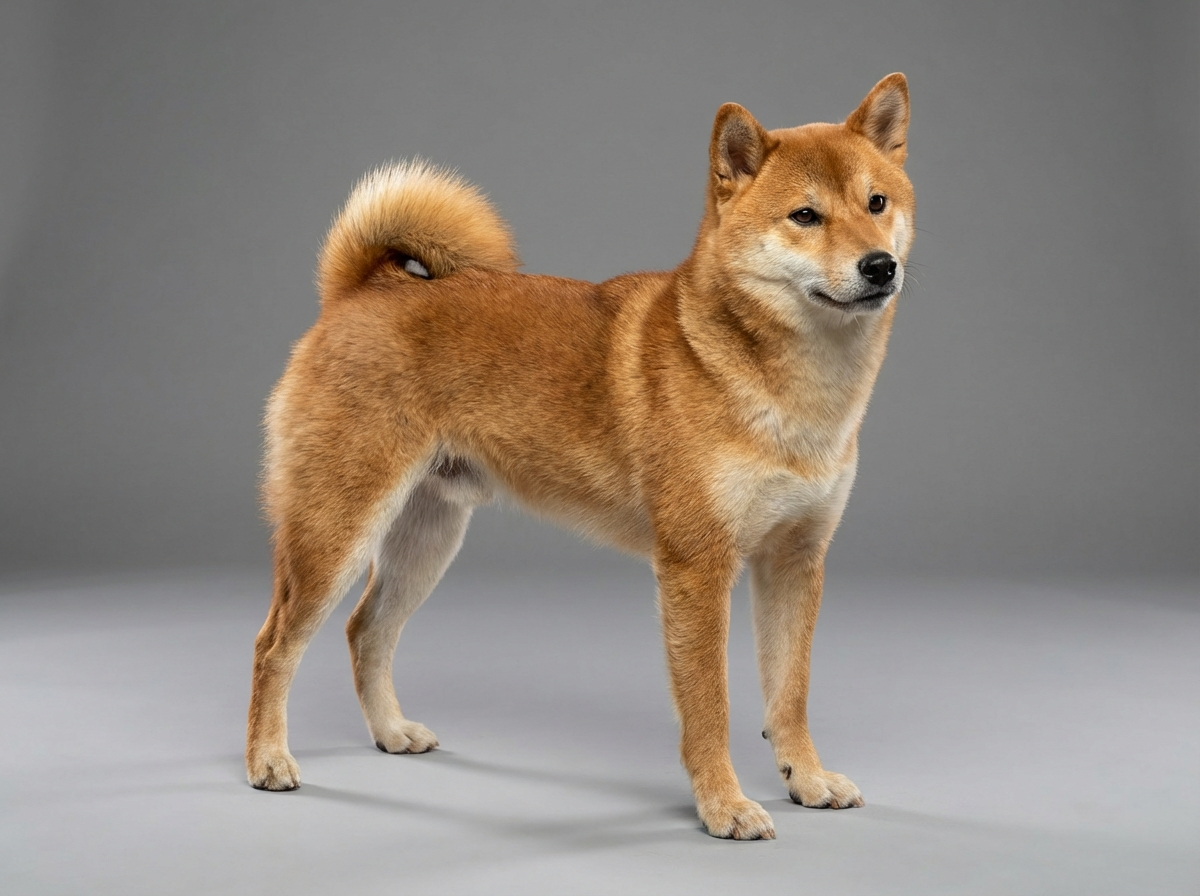
Shiba Inu Intervertebral Disc Disease (IVDD) Type I
Quick answer
What are quick tips for managing Shiba Inu intervertebral disc disease (ivdd) type i?
To manage IVDD, keep your Shiba Inu at a healthy weight, provide gentle exercise, and avoid high-impact activities. Regular vet visits are crucial for monitoring their condition.
Shiba Inu intervertebral disc disease (IVDD) type I is a serious condition that can lead to severe discomfort and mobility issues.
Typically, Shiba Inu owners who are not aware of the breed's susceptibility to back issues may find themselves facing this problem. First-time dog owners or those unfamiliar with IVDD may feel overwhelmed by their pet's symptoms.
Important reminder
This guide is not medical advice. If your dog shows pain, sudden behavior change, or worsening symptoms, consult a licensed veterinarian.
Some links may be affiliate links. We may earn a commission at no extra cost to you. We only suggest products we believe are helpful for dog owners.
What this problem looks like
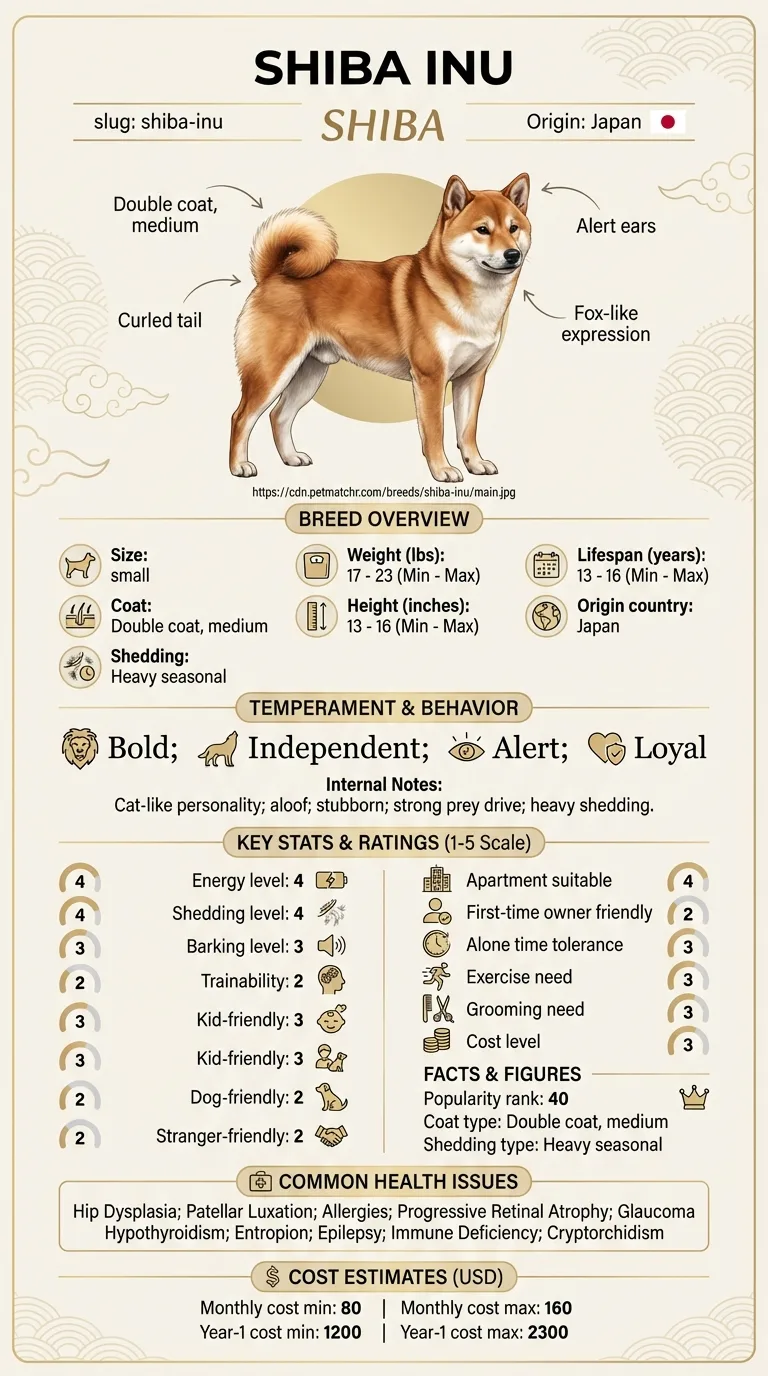
Shiba Inu intervertebral disc disease (IVDD) type I is a serious condition where herniated discs press on the spinal cord. This can lead to pain, weakness, and even paralysis in affected dogs. Daily life for a Shiba Inu with this issue often includes difficulty moving, reluctance to jump or play, and signs of discomfort when being touched or picked up.
Common triggers
Genetic predisposition, particularly in small dog breeds.
High-energy activities that may strain the back.
Sudden movements or falls that can exacerbate existing conditions.
Intervertebral disc disease is relatively common among Shiba Inus, especially as they age. Many owners report seeing symptoms appear around 5 to 10 years of age. Early detection and treatment can significantly improve quality of life.
Why this happens
Breed factors
Shiba Inus are prone to intervertebral disc disease (IVDD) type I due to their compact body structure. Their small size and short legs can increase the risk of spinal issues, particularly as they age. Genetic factors also play a role, making some Shiba Inus more susceptible to disc herniation.
Environment factors
Environmental factors contribute to IVDD type I as well. Activities like jumping from heights or rough play can lead to injury. Additionally, a lack of proper exercise and obesity can strain their spine, making disc issues more likely.
What you can try
At-home strategies
Limit jumping and rough play to prevent injury. Create a safe space for your Shiba Inu to relax without risk of falls.
Maintain a healthy weight by feeding a balanced diet and providing regular, gentle exercise. This helps reduce strain on their spine.
Incorporate joint supplements and anti-inflammatory foods into their diet. Omega-3 fatty acids can be beneficial for spinal health.
When to consider a trainer
If your Shiba Inu shows signs of reluctance to move, yelping in pain, or difficulty in mobility, consider consulting a trainer who specializes in low-impact exercises. They can design a suitable program to keep your dog active while minimizing risk.
When to talk to your vet
If your Shiba Inu experiences severe pain, sudden weakness, or loss of bladder control, contact your vet immediately. These symptoms may indicate a serious issue that requires prompt medical attention.
You can expect to see some improvement in your Shiba Inu's condition within 4 to 8 weeks of consistent management and care. However, full recovery can take several months, especially if surgery is involved.
Success means your Shiba Inu experiences reduced pain, improved mobility, and a better quality of life. You should see them engage in normal activities, like walking and playing, without significant discomfort.
Mistakes that make Intervertebral Disc Disease (IVDD) Type I worse
Here are some common mistakes that can worsen Shiba Inu intervertebral disc disease (IVDD) type I and what you can do instead.
Ignoring early signs: Many owners overlook initial symptoms like limping or reluctance to jump. Pay attention to these signs and consult a vet as soon as you notice them.
Allowing excessive jumping: Letting your Shiba Inu jump on and off furniture can strain their back. Instead, use ramps or steps to reduce impact on their spine.
Overexercising: Too much physical activity can exacerbate IVDD. Stick to short, controlled walks and low-impact play.
Neglecting weight management: Extra weight puts more pressure on the spine. Keep your Shiba Inu at a healthy weight with proper diet and regular vet check-ups.
Not following vet advice: Some owners skip recommended treatments or medications. Always follow your vet's guidance for the best outcome.
Inconsistent rest periods: Failing to provide adequate rest can worsen symptoms. Create a calm, comfortable space for your Shiba Inu to relax and recover.
Avoiding physical therapy: Some owners dismiss physical therapy as unnecessary. Gentle exercises can strengthen muscles and support recovery.
When Shiba Inu Intervertebral Disc Disease (IVDD) Type I is an Emergency
Intervertebral disc disease (IVDD) type I can pose serious risks to your Shiba Inu's health. Recognizing when it’s an emergency is crucial for their well-being. If you notice any severe symptoms, you should call your vet immediately.
**Red-Flag Signs (Call Your Vet Now):**
- Sudden inability to walk or stand.
- Severe pain or sensitivity when touched.
- Loss of bladder or bowel control.
- Weakness in the legs, especially if it worsens quickly.
- Signs of paralysis or dragging of the hind legs.
These symptoms indicate that the condition may be severe and requires immediate medical attention.
**Mild Cases to Monitor:**
If your Shiba Inu shows mild symptoms, you might not need to rush to the vet. Monitor them closely for signs like slight limping or reluctance to jump. Make a plan for home care, including rest and gentle activity, while keeping an eye on their condition. If they seem to improve with basic care, you likely can wait to consult your vet unless symptoms escalate.
Always prioritize your pet’s health and err on the side of caution. When in doubt, it’s better to reach out to your vet for guidance. Keeping a close watch on your Shiba Inu’s behavior will help you catch any changes early.

Understanding Shiba Inu Intervertebral Disc Disease (IVDD) Type I - When Shiba Inu Intervertebral Disc Disease (IVDD) Type I is an Emergency
A Journey to Recovery: Max the Shiba Inu
When Sarah adopted Max, her Shiba Inu, she quickly noticed he was hesitant to jump and often yelped in pain. After a vet visit confirmed a diagnosis of intervertebral disc disease (IVDD) type I, Sarah felt overwhelmed. She learned the importance of a structured management plan, which included regular vet check-ups, physical therapy exercises, and a weight management program. With patience and commitment, Sarah observed Max gradually regain his mobility and confidence over the course of a few months. He went from limping around the house to joyfully chasing squirrels in the yard.
Key takeaway: Understanding IVDD type I and actively managing it can significantly improve your Shiba Inu's quality of life.
Frequently asked questions
Why does my Shiba Inu have intervertebral disc disease (ivdd) type i?
Shiba Inus are prone to intervertebral disc disease (ivdd) type i due to their genetic makeup and body structure. The disease occurs when discs in the spine herniate, pressing on the spinal cord, which can lead to pain and mobility issues. Factors like age, weight, and lack of exercise can also contribute to this condition.
How can I stop Shiba Inu intervertebral disc disease (ivdd) type i?
Preventing IVDD in Shiba Inus involves maintaining a healthy weight and providing regular, low-impact exercise. Avoid activities that put stress on their back, such as jumping or climbing stairs. Regular vet check-ups can help catch early signs of this disease.
What treatments are available for Shiba Inu intervertebral disc disease (ivdd) type i?
Treatment options may include rest, anti-inflammatory medications, and physical therapy. In severe cases, surgery may be necessary to relieve pressure on the spinal cord. Your vet will recommend the best approach based on your dog's specific condition.
Can training help with Shiba Inu intervertebral disc disease (ivdd) type i?
Yes, training can play a role in managing IVDD. Focus on low-impact activities like leash walking and basic commands to keep your dog engaged without straining their back. Consider working with a trainer experienced in handling dogs with health issues.
Is there a specific diet for Shiba Inus with intervertebral disc disease (ivdd) type i?
While there’s no specific diet for IVDD, a balanced diet that maintains a healthy weight is essential. Discuss with your vet about nutrition that supports joint health and overall well-being.
What are the early signs of Shiba Inu intervertebral disc disease (ivdd) type i?
Early signs can include reluctance to jump or climb stairs, a hunched back, or changes in walking patterns. You might also notice your Shiba Inu being more sensitive to touch around the back area.
How can I help my older Shiba Inu with intervertebral disc disease (ivdd) type i?
For older Shiba Inus, maintaining a healthy weight and providing a comfortable resting area is crucial. Gentle exercises and physical therapy can also help, but always consult your vet first.
When should I take my Shiba Inu to the vet for intervertebral disc disease (ivdd) type i?
If you notice signs like severe pain, difficulty walking, or loss of bladder control, you should take your Shiba Inu to the vet immediately. Early intervention can significantly improve their condition.
Can intervertebral disc disease (ivdd) type i be managed with training?
While training alone won't cure ivdd, it can help your Shiba Inu learn to navigate their environment safely. Focus on teaching commands that promote gentle movements and avoid high-impact activities.
Is surgery necessary for Shiba Inu intervertebral disc disease (ivdd) type i?
Surgery may be necessary if your Shiba Inu has severe symptoms or doesn't respond to conservative treatments. Your vet will guide you on the best options based on your dog's specific condition.
What are quick tips for managing Shiba Inu intervertebral disc disease (ivdd) type i?
To manage IVDD, keep your Shiba Inu at a healthy weight, provide gentle exercise, and avoid high-impact activities. Regular vet visits are crucial for monitoring their condition.
Health
How long can a Shiba Inu live with intervertebral disc disease (ivdd) type i?
With proper management and care, many Shiba Inus can live comfortably for years despite IVDD. Early detection and treatment are key to improving their quality of life.
Living
Are there specific signs to watch for in Shiba Inus with intervertebral disc disease (ivdd) type i?
Watch for signs like back pain, reluctance to jump or climb, and weakness in the hind legs. If you notice these, consult your vet immediately.
Related DogBreedCompass guides
Shiba Inu intervertebral disc disease management – Learn more about managing intervertebral disc disease in your Shiba Inu.
how to stop Shiba Inu intervertebral disc disease (ivdd) type i – Find tips on how to stop Shiba Inu intervertebral disc disease (ivdd) type i.
Shiba Inu behavior problems – Explore common behavior problems faced by Shiba Inus and how to address them.
Shiba Inu separation anxiety guide – Learn about separation anxiety in Shiba Inus and ways to help them cope.
Shiba Inu training tips – Understand the training needs for your Shiba Inu to prevent health issues.