Health
What are quick tips for managing Shiba Inu hypothyroidism?
Regular vet visits for blood tests and medication are essential. Ensure your Shiba Inu has a balanced diet and maintain a consistent routine to help manage their health.

Quick answer
What are quick tips for managing Shiba Inu hypothyroidism?
Regular vet visits for blood tests and medication are essential. Ensure your Shiba Inu has a balanced diet and maintain a consistent routine to help manage their health.
Shiba Inu hypothyroidism is a common condition that can impact your dog's health and behavior.
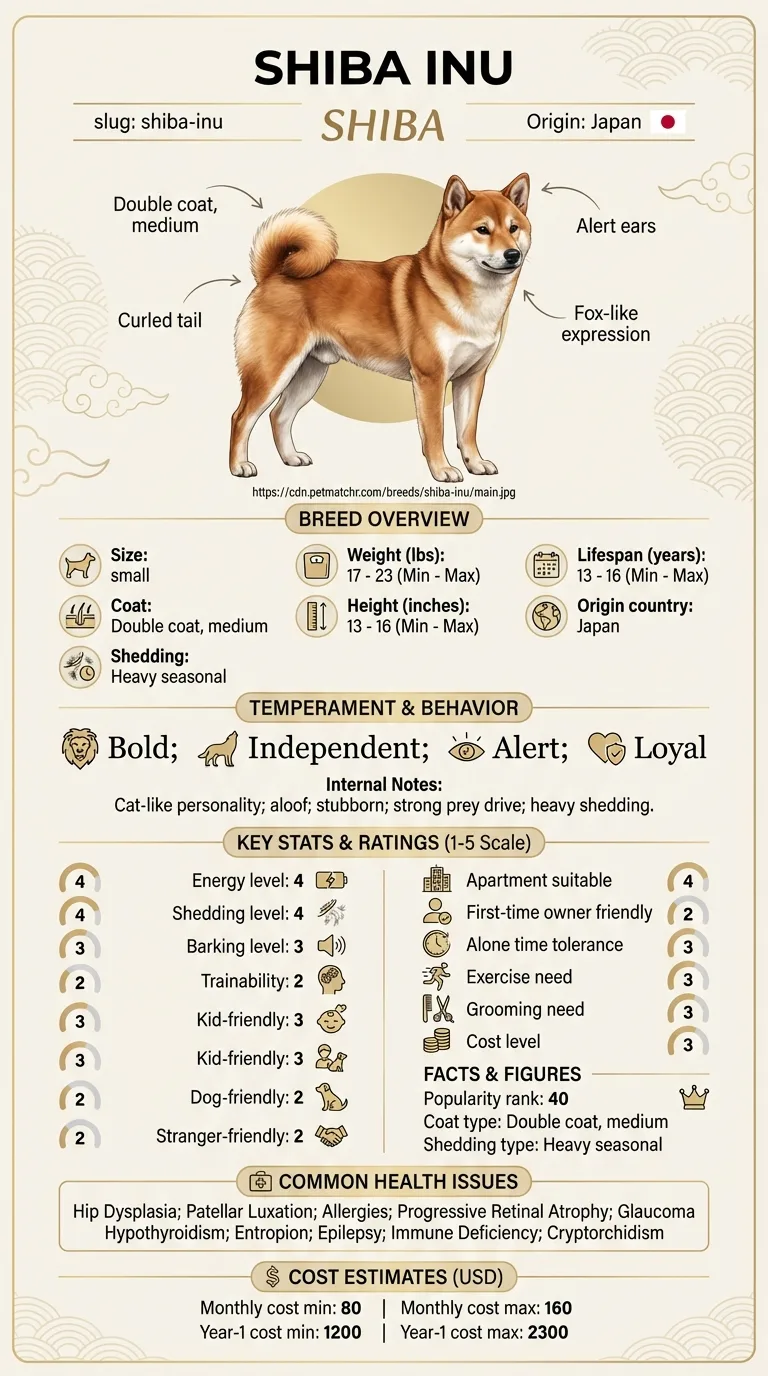
Many Shiba Inu owners face this challenge, especially those who notice changes in their pet's energy levels or weight. First-time dog owners or those unfamiliar with health issues may find it particularly difficult to identify and manage hypothyroidism.
This guide is not medical advice. If your dog shows pain, sudden behavior change, or worsening symptoms, consult a licensed veterinarian.
Some links may be affiliate links. We may earn a commission at no extra cost to you. We only suggest products we believe are helpful for dog owners.
We research and check what we publish, but we do not warrant that any figure, date, price, or statement is accurate, complete, or current, and we accept no liability for any loss, cost, injury, or other harm arising from the use of this site. Use it as one reference among several. You remain responsible for your own decisions and for your dog's care - confirm anything that matters with a licensed veterinarian or another qualified professional before you act on it. Full disclaimer.
Check this first
It's essential to know when Shiba Inu hypothyroidism becomes urgent. If you notice severe symptoms, you should contact your vet immediately. Look out for signs like sudden weight gain, lethargy, or significant changes in appetite. These could indicate a serious thyroid imbalance.
In contrast, mild symptoms can often be monitored with a careful plan. If your Shiba Inu is slightly less energetic than usual or has a modest weight change, keep an eye on them. Track their behavior and any changes in eating habits. These may be signs of hypothyroidism, but they don't always require immediate veterinary attention.
If you're unsure, it's best to err on the side of caution. A quick consultation can provide peace of mind and ensure your dog's health is prioritized.
If any of these apply, call your vet or an emergency clinic now. The rest of this page is for the cases that are not an emergency.
Shiba Inu hypothyroidism is a common issue characterized by a deficiency of thyroid hormones. This condition can lead to various symptoms, including lethargy, weight gain, and changes in coat condition. Owners may notice their Shiba Inu becoming less active or experiencing difficulty in maintaining a healthy weight.
Hypothyroidism is relatively common in Shiba Inus, especially as they age. Many owners report noticing signs by the time their dog reaches middle age, typically between 5 to 10 years old.
Shiba Inus can be predisposed to hypothyroidism due to genetic factors. Some breeds, including the Shiba Inu, have a higher likelihood of developing this condition as they age. This breed's unique hormonal makeup can also contribute to thyroid issues.
Environmental factors can play a significant role in hypothyroidism as well. Stress from changes in routine, poor diet, or exposure to certain toxins may trigger or exacerbate thyroid problems. Additionally, inadequate exercise can impact your dog's overall health and thyroid function.
If you suspect your Shiba Inu has hypothyroidism, consult your vet right away. Signs like weight gain, lethargy, or changes in coat condition are important to discuss. Your vet can perform tests to diagnose the issue and recommend treatment options.
Certain behaviors can unintentionally worsen your Shiba Inu's hypothyroidism. Here are key mistakes to avoid and healthier alternatives.
Start here: Shiba Inu Most Common Genetic Disorders: What to Screen For
See all Shiba INU health problems, which breeds are prone to hypothyroidism, or the full Shiba INU breed guide for temperament, exercise needs and ownership costs.
You can expect to see improvements in your Shiba Inu's health and behavior within 6 to 12 weeks of starting treatment.
Success means your Shiba Inu shows increased energy, better coat condition, and improved mood, making them more active and engaged.
When Mia, a busy nurse in San Francisco, noticed her Shiba Inu, Yuki, was lethargic and gaining weight, she became concerned. After a vet visit confirmed hypothyroidism, Mia felt overwhelmed. With a treatment plan in place, she learned to give Yuki daily medication and adjust his diet. Gradually, Yuki regained his playful spirit. Now, he happily joins Mia on daily walks, showcasing his vibrant personality.
Key takeaway: With proper treatment and care, Shiba Inus with hypothyroidism can lead happy, active lives.
Signs of hypothyroidism in a Shiba Inu can include weight gain, lethargy, and changes in coat condition. You might also notice skin issues or increased sensitivity to cold. If you observe these symptoms, it's a good idea to consult your vet for a proper diagnosis.
You can't prevent hypothyroidism, but you can manage it effectively with medication prescribed by your vet. Consistent treatment and monitoring will help maintain your dog's hormone levels. It's essential to follow your vet's advice and schedule regular blood tests.
Common symptoms of hypothyroidism in Shiba Inus include weight gain, lethargy, and dry skin. You might also notice hair loss or changes in behavior. If you see these signs, consult your vet for evaluation.
Yes, hypothyroidism can lead to changes in behavior, such as increased anxiety or lethargy. Some dogs may become less active or lose interest in play. If you notice these changes, it's crucial to discuss them with your vet.
Diagnosis typically involves blood tests that measure thyroid hormone levels. Your vet will evaluate your dog’s symptoms and may recommend additional tests. Early diagnosis is key to managing the condition effectively.
While diet alone won't cure hypothyroidism, a balanced diet can help manage your dog's weight and overall health. It's essential to consult your vet about an appropriate diet plan that supports your Shiba Inu's specific needs. They may recommend certain supplements or a specific type of food.
Yes, hypothyroidism can be more prevalent in older Shiba Inus, usually appearing around 4 to 10 years of age. Regular vet check-ups are crucial for older dogs to catch any health issues early. If you have an older Shiba Inu, keep an eye out for any changes in behavior or appearance.
Helping your Shiba Inu cope involves regular vet visits for monitoring and medication as prescribed. You can also create a calm environment, provide consistent training, and ensure they get gentle exercise. Keeping their routine stable can help manage anxiety related to their condition.
If your Shiba Inu's symptoms worsen, such as increased lethargy or weight gain despite medication, contact your vet immediately. They may need to adjust their medication or conduct further tests. Being proactive about your dog's health can lead to better outcomes.
Regular vet visits for blood tests and medication are essential. Ensure your Shiba Inu has a balanced diet and maintain a consistent routine to help manage their health.
Treatment costs can vary, typically ranging from $30 to $100 per month for medication. Additional vet visits and tests may add to the cost.
Training can help manage behavioral issues related to hypothyroidism. Positive reinforcement methods are effective and can strengthen your bond with your pet.
With proper management, many Shiba Inus can live a normal lifespan despite hypothyroidism. Regular vet check-ups are crucial for monitoring their health.
Keep an eye out for weight changes, lethargy, and coat health. Any significant shifts in behavior should prompt a visit to the vet.
A one-page prep sheet for this condition: the signs, the questions to ask, what to get priced. Unlocks here.
You get: Vet visit prep sheet
No spam. One-click unsubscribe. See our privacy policy.
Preview page 1 before you decide.