Behavior
What are some quick tips for Shiba Inu anxiety?
Establish a consistent daily routine, provide plenty of exercise, and create a safe space for your dog. Using calming toys or music can also help reduce anxiety.

Quick answer
What are some quick tips for Shiba Inu anxiety?
Establish a consistent daily routine, provide plenty of exercise, and create a safe space for your dog. Using calming toys or music can also help reduce anxiety.
Shiba Inu anxiety can be a challenging issue for owners to tackle.
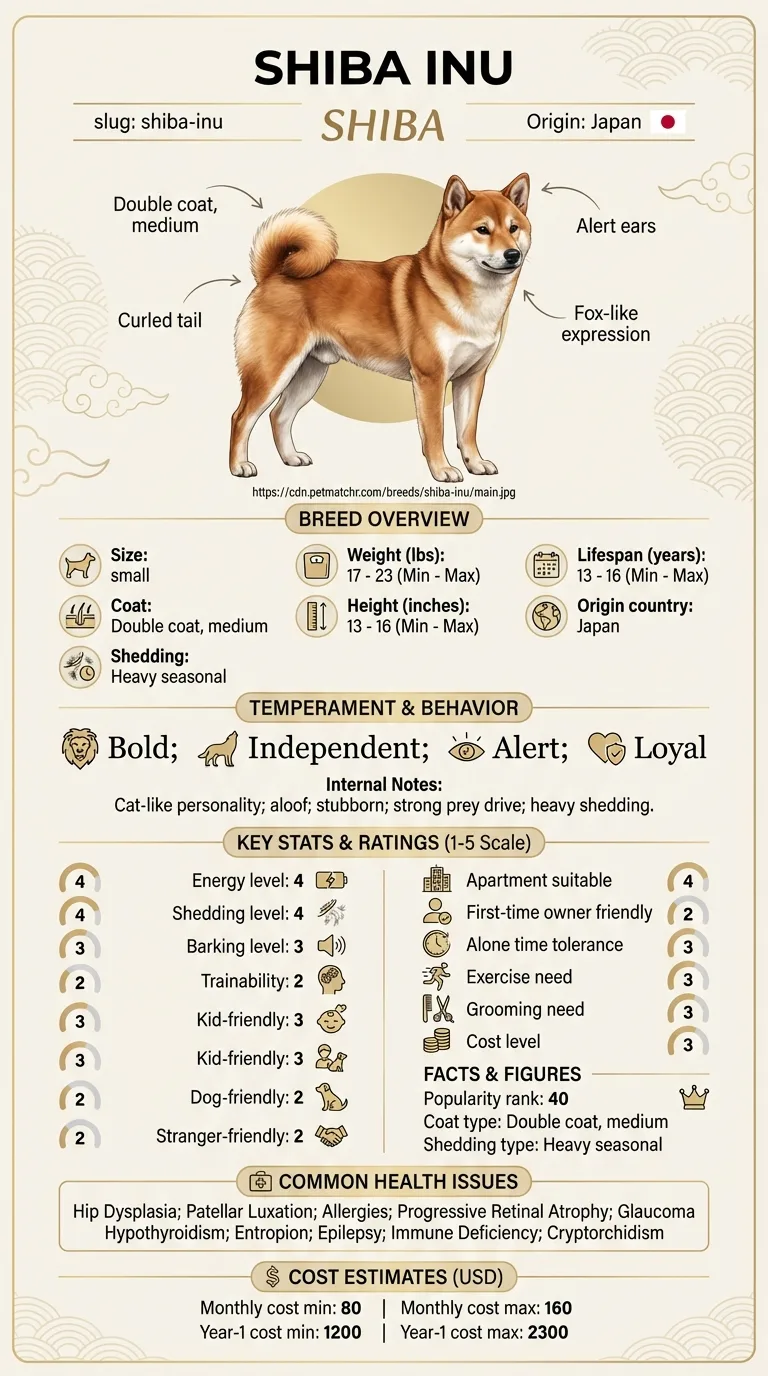
This guide is for Shiba Inu owners who are noticing anxiety signs in their dogs and are looking for practical training solutions.
Shiba Inu anxiety often manifests as nervousness in unfamiliar situations. These dogs may appear restless, vocalize more than usual, or become overly clingy to their owners. This behavior can lead to challenges in daily life, especially if left unaddressed.
If your Shiba Inu's anxiety persists despite your efforts, consider seeking professional training. A dog trainer can teach you techniques to modify your dog's behavior and help improve their emotional well-being.
If your Shiba Inu shows severe anxiety signs, like excessive barking or destructive behavior, consult your vet or a certified behaviorist. They can provide insights and may recommend medication or tailored behavior modification plans.
Various tools and products can assist in managing Shiba Inu anxiety. From calming aids to training resources, these can help improve your dog's emotional state.
Adjusting your daily routine can significantly help reduce Shiba Inu anxiety. Start by creating a consistent daily schedule for meals, walks, and playtime. This predictability can provide comfort to your dog, helping them feel more secure in their environment.
Incorporate regular exercise into your Shiba's day to burn off excess energy. Aim for at least 30-60 minutes of physical activity, such as walks, runs, or play sessions. This will not only help with their energy levels but also provide mental stimulation, reducing anxiety.
Consider your Shiba Inu's alone-time tolerance. Gradually increase the time they spend alone, starting with short intervals and gradually extending them. This helps them learn that being alone is safe and not something to fear.
Use puzzle toys or treat dispensers to keep them occupied during these times.
Adjusting household routines can also make a difference. Make sure to have a quiet, comfortable space where your Shiba can retreat when feeling anxious. This could be a cozy bed or a designated area where they feel secure.
Avoid loud noises or sudden changes in the environment that could trigger anxiety.
Lastly, be mindful of your own behavior. Dogs often pick up on their owner's emotions. Try to remain calm and positive during stressful situations, as this can reassure your Shiba Inu that everything is okay.
With these lifestyle adjustments, you can help alleviate Shiba Inu anxiety and foster a more relaxed environment for both of you.
Tracking progress with Shiba Inu anxiety can be challenging. However, noticing small "micro-wins" can help you see if your training and interventions are effective. For example, if your Shiba starts to relax during car rides or shows less agitation when left alone, these are positive signs.
Setbacks are also a normal part of the process. If your Shiba Inu has a bad day and exhibits anxious behavior, try not to feel discouraged. Recognizing that progress isn’t always linear is crucial.
Instead, focus on patterns over time rather than isolated incidents. Look for improvements in their overall behavior and comfort levels.
To determine if your plan is working, observe your dog's reactions in different scenarios. If your Shiba Inu begins to seek comfort from you rather than retreating to a corner, that's a good indication. Additionally, if they recover faster after stressful events, it suggests they are learning to cope better.
When you notice these changes, it might be time to build on your successes and introduce new challenges. However, if anxiety worsens or new issues arise, consider seeking professional guidance to adjust your approach.

When Sarah adopted her Shiba Inu, Kiko, she quickly noticed his anxiety. Kiko would bark excessively whenever anyone left the room, and he often hid when guests arrived. To help him, Sarah started with simple changes at home, like creating a safe space for Kiko and using calming music. She also began a consistent routine to help him feel more secure. However, when these efforts didn’t fully resolve his anxiety, Sarah sought help from a professional dog trainer specializing in Shiba Inu anxiety training. The trainer taught her techniques like desensitization and positive reinforcement. Over time, Kiko became more comfortable with being alone and even enjoyed visitors. While Kiko still has moments of anxiety, Sarah feels more equipped to handle his needs.
Key takeaway: With patience and the right support, even a Shiba Inu with anxiety can learn to feel more secure in their environment.
Shiba Inu anxiety can stem from various factors, including genetics, environment, and past experiences. They may feel anxious due to separation from their owners, loud noises, or changes in routine. Understanding your dog's triggers is the first step in addressing their anxiety.
Start by creating a calm environment for your Shiba Inu. Consistent training and positive reinforcement can also help reduce anxiety. Consider consulting a professional dog trainer for specialized Shiba Inu anxiety training.
Medication can be beneficial for severe cases, but it's best to explore behavior modification techniques first. Always consult your vet before considering medication to ensure it’s appropriate for your dog’s specific needs.
Yes, socialization can significantly reduce anxiety. Gradually exposing your Shiba Inu to new people, pets, and environments can help them feel more comfortable and secure. Just take it slow and make it positive!
Every dog is different, so the time it takes can vary. With consistent training and support, you may see improvements within weeks, but some dogs may take months to fully adjust. Patience is key!
Yes! Establish a routine, provide plenty of exercise, and create a safe space for your Shiba Inu. Using calming products or toys can also help ease their anxiety.
Older Shiba Inus may experience anxiety due to changes in their environment or health issues. It's essential to maintain a consistent routine and provide a quiet, safe space for them. Consulting a vet can also help identify any underlying health problems contributing to their anxiety.
If you have multiple Shiba Inus, their anxiety can sometimes amplify each other. Ensure that each dog has its own space and time for individual attention. Implementing a calming routine and using training techniques can help manage their anxiety levels together.
Yes, travel can be stressful for Shiba Inus, who may thrive on routine and familiarity. Gradually introducing them to new environments and using calming products can help ease their anxiety during trips. Consider short trips first to build their confidence.
Signs of anxiety in Shiba Inus can include excessive barking, pacing, or destructive behavior. They may also display clinginess or avoidance behaviors. Observing these signs will help you address their anxiety effectively.
Absolutely! Shiba Inu anxiety training can help them feel more secure and confident. Positive reinforcement techniques and consistent commands can reduce anxiety triggers and improve their overall behavior.
Establish a consistent daily routine, provide plenty of exercise, and create a safe space for your dog. Using calming toys or music can also help reduce anxiety.
Positive reinforcement training is effective. Use treats and praise to reward calm behavior and gradually expose them to anxiety-inducing situations.
Yes, Shiba Inus can experience separation anxiety, especially if they are closely bonded with their owners. Gradual desensitization can help.
If your dog's anxiety is severe or unmanageable with training alone, consult a vet to discuss medication options. It's important to evaluate each situation individually.
Yes, some Shiba Inus may inherit anxiety traits from their parents. Understanding your dog's background can help in managing their behavior.
Anxiety and pain look alike from the outside. Get the prep sheet for this breed's separation-anxiety page and take it to the vet.
You get: Vet visit prep sheet
No spam. One-click unsubscribe. See our privacy policy.
Preview page 1 before you decide.
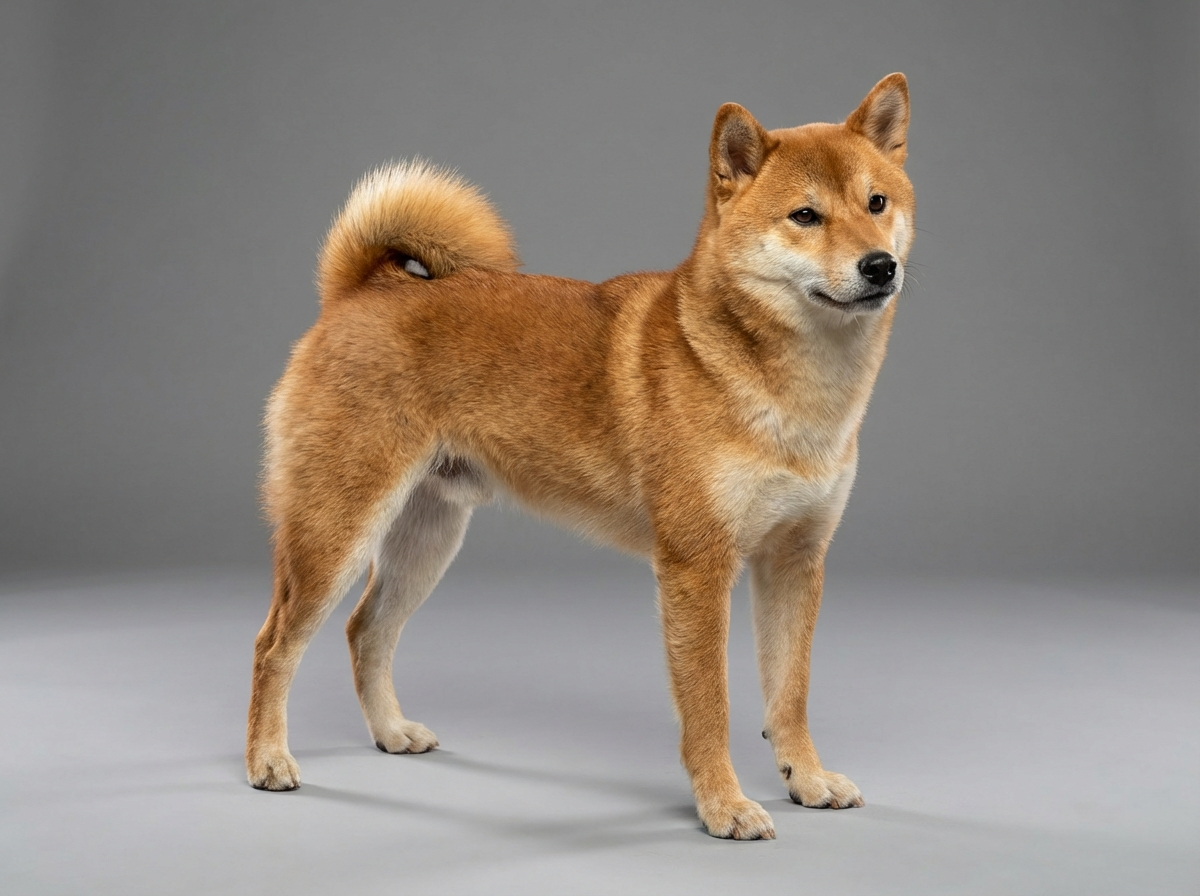
This guide is not medical advice. If your dog shows pain, sudden behavior change, or worsening symptoms, consult a licensed veterinarian.
Some links may be affiliate links. We may earn a commission at no extra cost to you. We only suggest products we believe are helpful for dog owners.
We research and check what we publish, but we do not warrant that any figure, date, price, or statement is accurate, complete, or current, and we accept no liability for any loss, cost, injury, or other harm arising from the use of this site. Use it as one reference among several. You remain responsible for your own decisions and for your dog's care - confirm anything that matters with a licensed veterinarian or another qualified professional before you act on it. Full disclaimer.
Not sure which breed is right for you? Take our 2-minute quiz to find out.
Take the quiz