Health
What are quick tips for managing Shiba Inu immune-mediated thyroiditis?
Regular vet check-ups are essential for monitoring thyroid levels. Ensure a balanced diet and manage stress effectively to support your dog's health.

Quick answer
What are quick tips for managing Shiba Inu immune-mediated thyroiditis?
Regular vet check-ups are essential for monitoring thyroid levels. Ensure a balanced diet and manage stress effectively to support your dog's health.
Shiba Inu immune-mediated thyroiditis can seriously affect your dog's health.
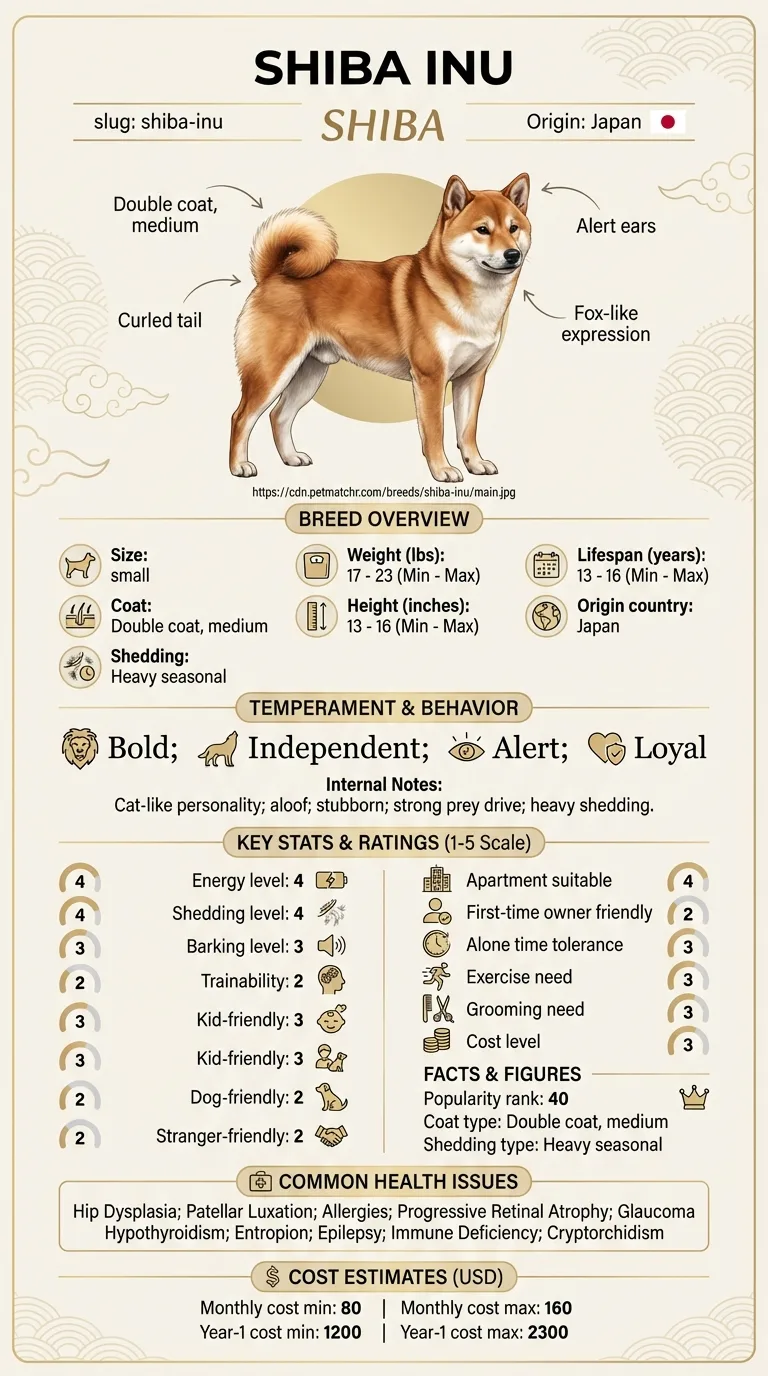
Owners of Shiba Inus often face challenges with this condition, especially if they notice changes in their dog's energy levels or weight. First-time dog owners may find it particularly overwhelming to navigate the symptoms and treatment options.
This guide is not medical advice. If your dog shows pain, sudden behavior change, or worsening symptoms, consult a licensed veterinarian.
Some links may be affiliate links. We may earn a commission at no extra cost to you. We only suggest products we believe are helpful for dog owners.
We research and check what we publish, but we do not warrant that any figure, date, price, or statement is accurate, complete, or current, and we accept no liability for any loss, cost, injury, or other harm arising from the use of this site. Use it as one reference among several. You remain responsible for your own decisions and for your dog's care - confirm anything that matters with a licensed veterinarian or another qualified professional before you act on it. Full disclaimer.
Check this first
Identifying when your Shiba Inu's immune-mediated thyroiditis becomes an emergency is crucial. Immediate action is necessary when you notice severe symptoms. These include difficulty breathing, extreme lethargy, or sudden weight loss. If your dog shows any signs of a swollen throat or has trouble swallowing, contact your vet right away.
On the other hand, mild symptoms can often be monitored at home. If your Shiba Inu experiences slight changes in energy or appetite, keep an eye on them. Making a note of these changes can help you track their condition. In this case, it's best to have a plan in place for regular vet check-ups.
Always trust your instincts. If something feels off, don’t hesitate to consult your veterinarian. Keeping an open line of communication can provide peace of mind and ensure your furry friend gets the care they need.
If any of these apply, call your vet or an emergency clinic now. The rest of this page is for the cases that are not an emergency.
Shiba Inu immune-mediated thyroiditis is an autoimmune disorder where the dog's immune system attacks its thyroid gland. This can lead to symptoms like weight gain, lethargy, and changes in coat quality. Owners may notice their Shiba Inu feeling more tired and less active than usual, which can be concerning and frustrating.
This condition is relatively common in Shiba Inus, especially as they age. It's essential for owners to be aware of the signs and consult a vet for proper diagnosis and management.
Shiba Inus may have a genetic predisposition to immune-mediated thyroiditis. This means that certain traits specific to the breed can make them more susceptible to autoimmune conditions. Their unique immune system might misfire, leading to thyroid issues.
Environmental factors can also contribute to immune-mediated thyroiditis in Shiba Inus. Stressful situations, poor nutrition, or exposure to toxins can trigger or worsen this condition. Additionally, lack of proper veterinary care can lead to undiagnosed issues that compound the problem.
It's crucial to consult your vet if you notice symptoms like excessive weight loss, lethargy, or abnormal behavior. A vet can provide a proper diagnosis and recommend treatment options for your Shiba Inu's immune-mediated thyroiditis.
Avoiding certain behaviors can help manage your Shiba Inu's immune-mediated thyroiditis more effectively. Here are some common mistakes to avoid.
Start here: Shiba Inu Most Common Genetic Disorders: What to Screen For
See all Shiba INU health problems, which breeds are prone to immune mediated thyroiditis, or the full Shiba INU breed guide for temperament, exercise needs and ownership costs.
Improvement may take 3 to 6 months with consistent care and treatment.
Successful management means your Shiba Inu shows better energy levels, improved weight, and fewer symptoms of thyroid issues.
Megan, a first-time Shiba Inu owner, noticed her dog Luna was lethargic and losing weight. After a vet visit, she learned Luna had immune-mediated thyroiditis. Determined to help her pup, Megan followed a strict medication schedule and adjusted Luna's diet. She also enrolled in a training class focused on managing health-related stress. Over the next few months, Luna gradually regained her energy and started to play again. Megan felt relieved and grateful for the support from her vet and trainers.
Key takeaway: With dedication and the right support, managing Shiba Inu immune-mediated thyroiditis can lead to a happier, healthier dog.
Shiba Inu immune-mediated thyroiditis is caused by the dog's immune system mistakenly attacking its thyroid gland. This autoimmune response can lead to hormonal imbalances, affecting energy levels and overall health. Genetics and environmental factors may also play a role.
Common signs include weight gain, lethargy, and changes in coat quality. If you notice these symptoms, consult your vet for a complete evaluation, including blood tests to check thyroid hormone levels. Early detection can lead to more effective management.
Treatment typically involves synthetic thyroid hormone replacement therapy to restore hormone levels. Your vet may also recommend dietary changes and regular check-ups to monitor thyroid function. Follow their guidance for the best outcomes.
While you can't prevent this autoimmune disease entirely, keeping your Shiba Inu healthy through a balanced diet and regular vet visits can help. Additionally, managing stress and avoiding known environmental triggers may reduce the risk of flare-ups.
Consult your vet about a balanced diet tailored for your Shiba Inu's specific needs. Some dog foods are formulated to support thyroid health and may help manage symptoms. Regular weigh-ins can help adjust their food intake as needed.
Training can be beneficial but should be gentle and consistent. Use positive reinforcement techniques to encourage good behavior while being mindful of your dog's energy levels. Patience is key, as some dogs may have fluctuations in energy due to their condition.
The exact cause of immune-mediated thyroiditis in Shiba Inus isn't fully understood, but it’s believed to be a combination of genetics and environmental factors. Consulting with a vet can help identify specific triggers for your dog.
Yes, older Shiba Inus may show different symptoms or have more severe reactions to immune-mediated thyroiditis. Regular check-ups with a vet become even more critical as your dog ages.
To help your Shiba Inu manage immune-mediated thyroiditis, ensure they have a balanced diet and follow your vet’s recommendations for medication. Regular exercise can also play a role in maintaining their overall health.
Yes, a diet rich in high-quality protein and low in soy can be beneficial for Shiba Inus with immune-mediated thyroiditis. Always discuss dietary changes with your veterinarian to ensure it meets your dog's specific needs.
Regular vet check-ups are essential for monitoring thyroid levels. Ensure a balanced diet and manage stress effectively to support your dog's health.
Maintain a stable routine, provide a comfortable environment, and encourage gentle exercise to help your Shiba Inu cope with immune-mediated thyroiditis.
Contact your vet to discuss any changes in behavior, as lethargy can indicate a need for adjustments in treatment or care.
Yes, training can improve your dog's behavior and strengthen your bond, but be prepared for variations in energy levels due to the condition.
A one-page prep sheet for this condition: the signs, the questions to ask, what to get priced. Unlocks here.
You get: Vet visit prep sheet
No spam. One-click unsubscribe. See our privacy policy.
Preview page 1 before you decide.