Health
What is heatstroke in dogs?
It's a dangerous rise in core body temperature that overwhelms the body's ability to cool itself, potentially damaging organs.

Quick answer
What is heatstroke in dogs?
It's a dangerous rise in core body temperature that overwhelms the body's ability to cool itself, potentially damaging organs.
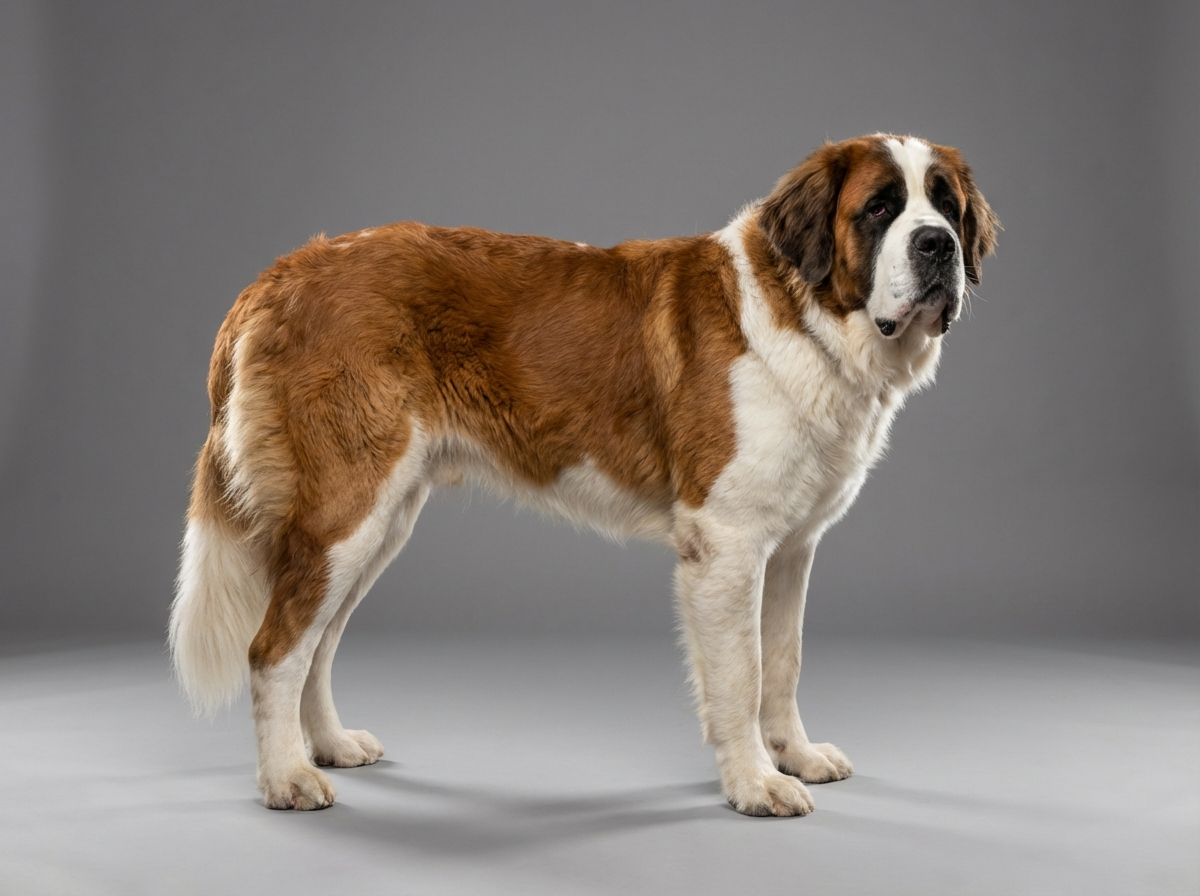
Research into breed-specific risk has found Saint Bernards facing a dramatically elevated heatstroke rate compared to the general dog population, a gap large enough that it changes how carefully this breed's summer needs to be managed.
This is most urgent for owners who don't yet know their dog's individual heat tolerance, particularly new owners in their first hot season, or anyone who has recently moved to a warmer climate with their Saint Bernard.
This guide is not medical advice. If your dog shows pain, sudden behavior change, or worsening symptoms, consult a licensed veterinarian.
Some links may be affiliate links. We may earn a commission at no extra cost to you. We only suggest products we believe are helpful for dog owners.
Check this first
Heatstroke is, by definition, always an emergency once it starts. The progression typically moves from heavy panting and drooling, to bright red or purple gums, to wobbliness or disorientation, to vomiting or diarrhea, and can end in seizures or collapse if not interrupted. Once a dog reaches the disoriented or wobbly stage, this is a true emergency requiring immediate cooling and a vet visit, not a wait-and-see period.
The earlier stage, heavy panting with normal gum color and normal coordination, is the window where intervention still works well: moving to shade or air conditioning, offering water, and stopping activity can often bring the dog back to baseline within minutes. This is the stage owners need to catch, because waiting past it removes options.
What makes this breed's risk especially sharp is body mass: once a Saint Bernard's core temperature climbs, there is simply more tissue to cool back down, and that takes longer relative to a smaller dog experiencing the same starting point. This is part of why documented heatstroke risk runs so much higher in this breed than in the general dog population, and why acting at the first sign matters more here than in a more heat-tolerant breed.
If any of these apply, call your vet or an emergency clinic now. The rest of this page is for the cases that are not an emergency.
Hyperthermia, or heatstroke, is the acute medical crisis that heat sensitivity can escalate into when a Saint Bernard's cooling mechanisms are overwhelmed. Documented risk data shows this breed facing a dramatically higher heatstroke rate than the general dog population, driven by the combination of large body mass, dense coat, and reduced heat-dissipation efficiency that defines the breed.
Heatstroke risk in Saint Bernards is documented as substantially elevated compared to the average dog, making it one of the more urgent, acute health concerns specific to this breed despite being fully preventable in most cases.
The same alpine-bred traits that make Saint Bernards heat sensitive in general, large body mass, a dense double coat, and heavy facial skin, become directly dangerous once core temperature starts to rise, because there is simply more body mass that needs to shed heat before the crisis resolves. Panting, a dog's main cooling mechanism, also becomes less efficient relative to body size in a breed this large.
High ambient temperature combined with humidity is the most direct environmental driver, since humidity reduces how effectively panting can evaporate moisture and cool the body. Confined spaces with poor airflow, direct sun with no shade, and vigorous exercise in warm conditions all accelerate the process.
Contact your vet if your dog seems unusually slow to recover from normal activity on a warm day, even without full heatstroke symptoms. Heavy panting that doesn't ease with rest, bright red or purple gums, wobbliness, vomiting, or collapse are all signs of a heatstroke emergency and require immediate veterinary care, not a wait-and-see approach at home.
Heatstroke often follows a predictable chain of avoidable decisions rather than appearing out of nowhere.
See all Saint Bernard health problems, which breeds are prone to heat sensitivity hyperthermia, or the full Saint Bernard breed guide for temperament, exercise needs and ownership costs.
Mild overheating caught early typically resolves within fifteen to thirty minutes of cooling and rest. True heatstroke requires immediate emergency veterinary treatment, and recovery, if the dog survives the acute crisis, can take days of monitoring for organ effects.
Success means never reaching the emergency stage at all, through consistent prevention, rather than reliably treating heatstroke after it happens, since even successfully treated heatstroke carries real risk of lasting organ effects.
Tomas took Moose, his four-year-old Saint Bernard, on their usual midafternoon walk during an unusually humid week. About fifteen minutes in, Moose's panting became loud and constant, and he started lagging behind instead of pulling ahead as usual. Tomas cut the walk short immediately, got Moose into air conditioning, and offered cool water, which brought his breathing back to normal within about twenty minutes. Given how quickly things had escalated, Tomas still called his vet to describe what happened and was advised that stopping when he did likely prevented a full heatstroke episode.
Key takeaway: Moose never reached the dangerous stage of the crisis because Tomas acted on the very first sign, heavier-than-normal panting, instead of waiting to see if it would pass on its own.
Their large body mass, thick double coat, and heavy facial structure combine to make heat dissipation inefficient, and once core temperature starts climbing, there is more body mass that needs to cool back down before the crisis resolves.
Heavy, rapid panting that doesn't ease with rest, excessive drooling, and seeking out shade or lying down more than usual are early signs. Catching it here, before gum color changes or coordination is affected, gives the best chance of a quick recovery.
Move the dog to a cool or shaded area immediately, offer cool (not ice-cold) water, apply cool wet towels to the belly, armpits and groin, and head to a vet right away, even if the dog seems to be improving, since internal effects can lag behind visible improvement.
Yes, severe or prolonged heatstroke can damage organs including the kidneys, liver, and brain, and in serious cases can be fatal. This is why acting at the earliest signs, rather than waiting for a full crisis, matters so much.
Generally yes, since age-related heart or joint conditions can reduce a dog's ability to move to safety quickly or recover efficiently once overheating has started.
It can happen faster than many owners expect, sometimes within fifteen to twenty minutes of vigorous activity in warm, humid conditions, which is part of why prevention matters more than reaction.
Airflow can help somewhat, but active cooling with cool wet towels and moving to an air-conditioned space is more effective than a fan alone once a dog is showing real signs of overheating.
It's a dangerous rise in core body temperature that overwhelms the body's ability to cool itself, potentially damaging organs.
Yes, their body mass, coat, and facial structure combine to make them significantly more vulnerable than many other breeds.
Heavy panting that doesn't ease with rest, along with excessive drooling, are usually the earliest visible signs.
Yes, once signs like wobbliness or gum color changes appear, it requires immediate veterinary care.
Avoid midday heat, keep exercise light in warm weather, and provide constant access to water and shade.
A one-page prep sheet for this condition: the signs, the questions to ask, what to get priced. Unlocks here.
You get: Vet visit prep sheet
No spam. One-click unsubscribe. See our privacy policy.
Preview page 1 before you decide.