Health
Why are giant breeds at higher cancer risk?
Partly due to the large volume of bone cell division needed to build a giant frame, which raises the odds of the mutations behind osteosarcoma.

Quick answer
Why are giant breeds at higher cancer risk?
Partly due to the large volume of bone cell division needed to build a giant frame, which raises the odds of the mutations behind osteosarcoma.
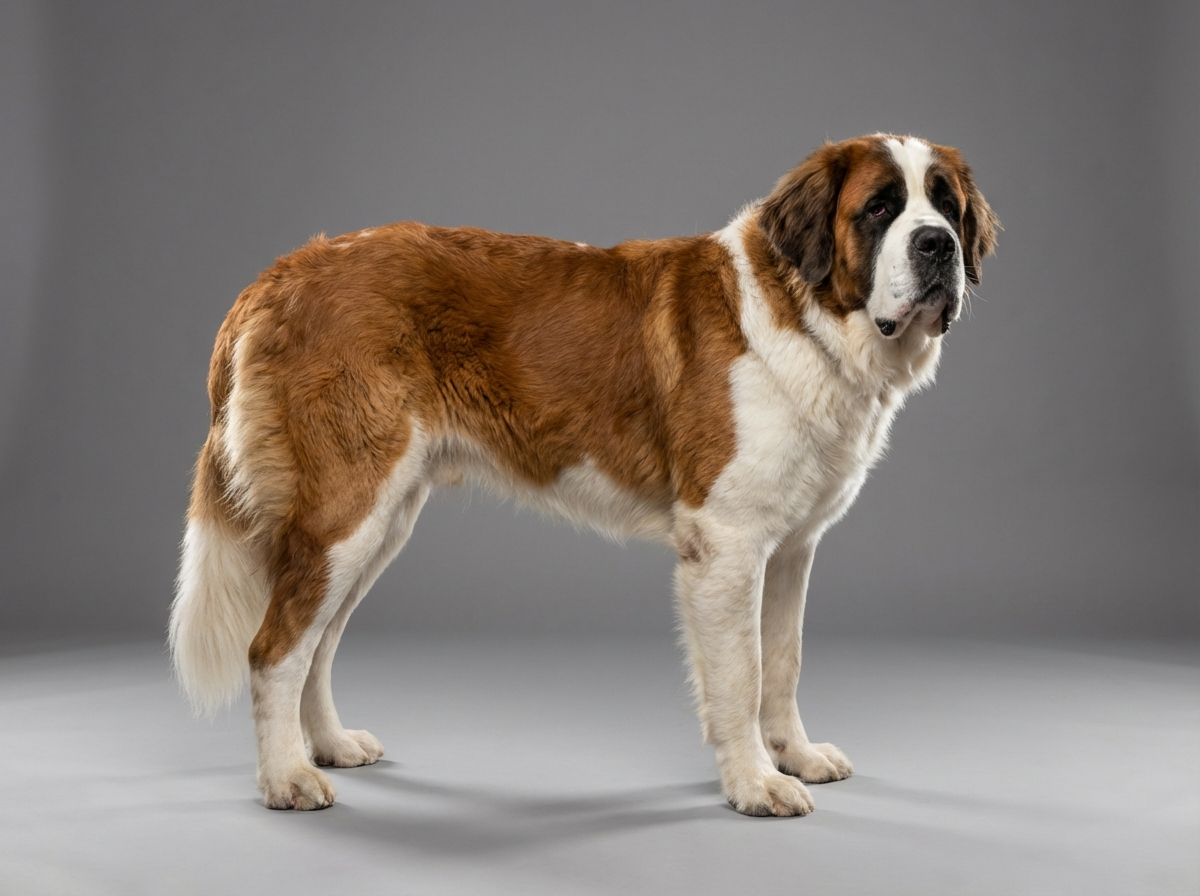
A dog with legs long enough to carry 150 pounds has a lot more bone, and a lot more actively dividing bone cells during growth, than a dog a third its size. That extra biological real estate is part of why giant breeds carry elevated cancer risk, bone cancer especially.
Owners who have heard 'giant breeds get more cancer' in passing but have never had it explained in terms of what that actually means for daily vigilance and which signs deserve real attention rather than dismissal as normal aging aches.
This guide is not medical advice. If your dog shows pain, sudden behavior change, or worsening symptoms, consult a licensed veterinarian.
Some links may be affiliate links. We may earn a commission at no extra cost to you. We only suggest products we believe are helpful for dog owners.
We research and check what we publish, but we do not warrant that any figure, date, price, or statement is accurate, complete, or current, and we accept no liability for any loss, cost, injury, or other harm arising from the use of this site. Use it as one reference among several. You remain responsible for your own decisions and for your dog's care - confirm anything that matters with a licensed veterinarian or another qualified professional before you act on it. Full disclaimer.
Cancer risk in Saint Bernards reflects the broader pattern seen across giant dog breeds, where sheer body size and the volume of cell division required for rapid skeletal growth elevate the risk of certain cancers, bone cancer (osteosarcoma) most notably. It is not a single named condition on this breed's specific documented health list but a well-established size-driven risk category.
Cancer as a category is a leading cause of death in older large and giant breed dogs generally, making it a genuinely significant lifetime risk for this breed, even without a single named condition specific to Saint Bernards on most breed health lists.
The sheer scale of skeletal growth required to reach 120 to 180 pounds involves an unusually large volume of bone cell division, particularly during the first two years of life, which is the leading proposed mechanism behind elevated osteosarcoma risk in giant breeds. This breed's comparatively short lifespan relative to smaller breeds may also reflect broader accelerated biological aging that correlates with cancer risk generally.
Chronic inflammation, prior injury to a limb, and general environmental exposures over a dog's lifetime can contribute to cancer risk, though the dominant driver for bone cancer specifically remains the size-related biology rather than a single environmental cause.
See a vet promptly for any new or growing lump, unexplained limping without an obvious injury, unexplained weight loss, or persistent lethargy. Treat as urgent any sudden severe lameness, visible limb swelling with pain, or collapse, since these can indicate an advanced or acute presentation needing immediate evaluation.
See all Saint Bernard health problems, which breeds are prone to cancer, or the full Saint Bernard breed guide for temperament, exercise needs and ownership costs.
Diagnostic workup for a suspicious lump or lameness typically takes one to a few weeks, including imaging and biopsy. Treatment timelines and outcomes vary enormously depending on cancer type and how early it is caught.
Success looks different depending on diagnosis and stage — for some cancers it means a good quality of life for months to years with treatment, and for others it means comfort-focused care. An honest conversation with your vet or an oncologist about realistic outcomes for the specific cancer type is more useful than a single universal expectation.
Osteosarcoma, an aggressive bone cancer, is the cancer type most strongly linked to large and giant body size across dog breeds generally. The leading explanation involves the sheer volume of actively dividing bone cells required to build long limb bones capable of supporting 120 to 180 pounds, especially during the rapid growth period of the first two years — more cell division across a lifetime creates more opportunity for the mutations that lead to cancer. Giant breeds as a group also tend to have somewhat shorter lifespans than small breeds, and some researchers believe accelerated cellular aging plays a role in elevated cancer rates generally, not just bone cancer specifically.
Other cancer types, including lymphoma and mast cell tumors, occur across dog breeds of all sizes and are not uniquely tied to giant-breed biology in the same direct way, though they remain part of the overall cancer picture any dog owner should watch for.
None of these signs confirms cancer on their own, but in a giant breed with elevated baseline risk, they deserve a prompt vet visit rather than a wait-and-see approach.

Samson, an eight-year-old Saint Bernard, developed a limp on his front leg that his family initially treated as a minor sprain from an energetic play session, expecting it to resolve with a few days of rest. When the limp persisted and mild swelling appeared near his wrist two weeks later, they brought him in for X-rays. The imaging showed a bone lesion consistent with osteosarcoma, later confirmed by biopsy. Samson's family worked with their vet and a veterinary oncologist to weigh treatment options, ultimately choosing a plan focused on pain management and quality of life given his age and the cancer's advanced stage by the time it was caught.
Key takeaway: Two weeks of assuming it was a sprain is an understandable mistake, but it is also the exact window where earlier imaging might have changed the options available — persistent, unexplained lameness in this breed deserves imaging sooner rather than later.
It is not typically listed as a single named condition the way hip dysplasia or cardiomyopathy are, but the broader size-driven elevated cancer risk that applies to giant breeds as a group applies to Saint Bernards as well.
Osteosarcoma, an aggressive bone cancer, is most strongly associated with large and giant body size across breeds, tied to the volume of bone cell division required to build a giant frame.
Bone cancer risk tends to rise in middle-aged to older large and giant breed dogs, though any new lump, unexplained lameness or swelling deserves attention at any age.
There is no guaranteed prevention, but maintaining a lean body weight, avoiding unnecessary chemical exposures, and catching signs early through regular vet checkups all support the best possible outcome if cancer does develop.
Costs vary enormously by cancer type and treatment approach, from a few hundred dollars for diagnostics to many thousands for surgery, chemotherapy or radiation — worth discussing realistic ranges with your vet or an oncologist early.
No — many lumps are benign, but any new or changing lump should be checked by a vet, since a fine-needle aspirate or biopsy is the only reliable way to tell benign from malignant.
Partly due to the large volume of bone cell division needed to build a giant frame, which raises the odds of the mutations behind osteosarcoma.
Unexplained lameness or swelling in a limb without an obvious injury.
Yes — a vet exam and often a fine-needle aspirate is the only reliable way to distinguish benign from concerning lumps.
Maintaining a lean body weight supports overall health and may modestly reduce risk, though it does not eliminate the underlying size-driven risk factor.
It varies widely, from a few hundred dollars for diagnostics to many thousands for surgery or chemotherapy, so ask your vet for a realistic range early.
A one-page prep sheet for this condition: the signs, the questions to ask, what to get priced. Unlocks here.
You get: Vet visit prep sheet
No spam. One-click unsubscribe. See our privacy policy.
Preview page 1 before you decide.