DogBreedCompass
← Back to breed profile

Understanding Poodle (Miniature) Respiratory Disease

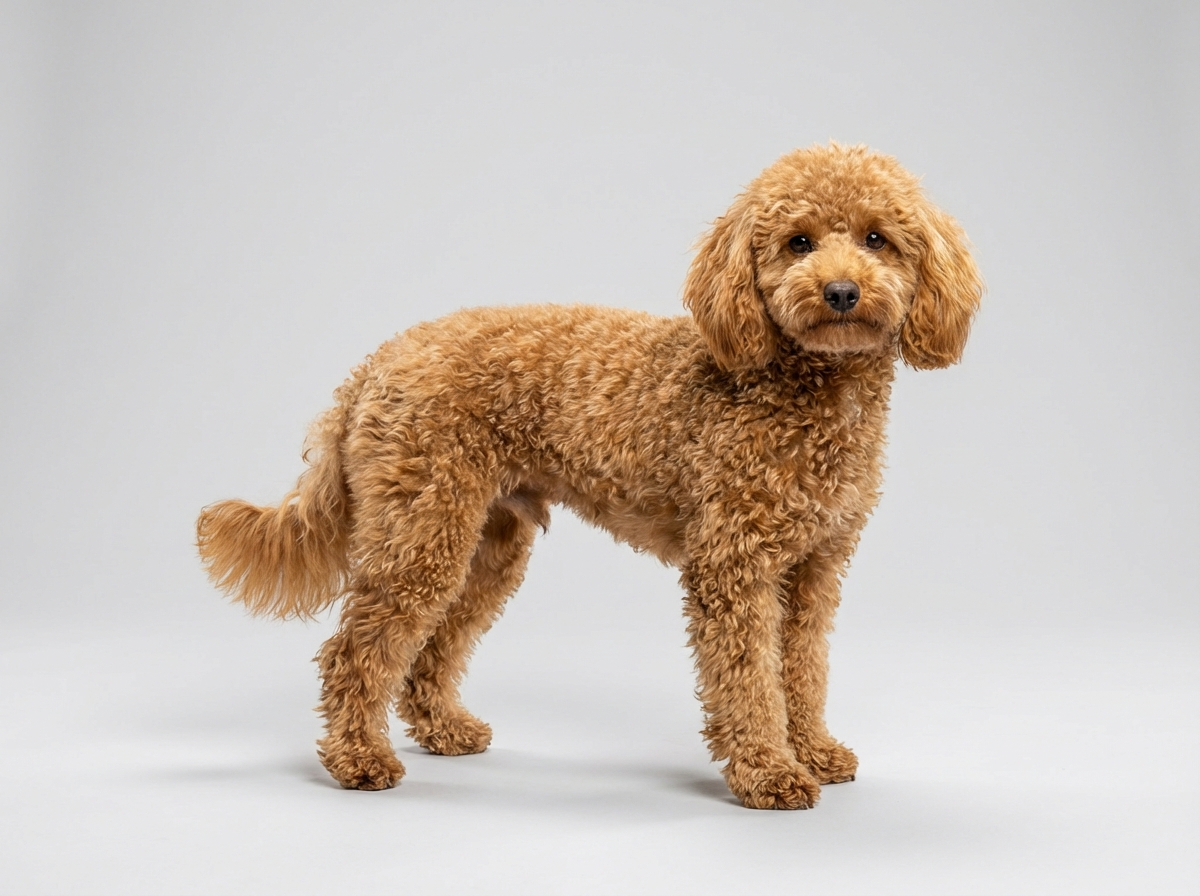
Poodle (Miniature) respiratory disease is a serious issue that affects many small dog owners. This condition can lead to breathing difficulties and reduced quality of life for your pup.

Understanding Poodle (Miniature) Respiratory Disease infographic

Owners of Mini Poodles, especially those living in warmer climates or with limited outdoor space, often face challenges related to respiratory disease. First-time dog owners may feel particularly overwhelmed when their dog starts showing symptoms.

Important reminder

This guide is not medical advice. If your dog shows pain, sudden behavior change, or worsening symptoms, consult a licensed veterinarian.

Some links may be affiliate links. We may earn a commission at no extra cost to you. We only suggest products we believe are helpful for dog owners.

What this problem looks like

Poodle (Miniature) respiratory disease can manifest as coughing, wheezing, and difficulty breathing. Owners might notice their Mini Poodle struggling for air, especially during exercise or in warm weather. This breed is particularly prone to respiratory issues due to their brachycephalic structure, which can lead to serious health concerns.

Common triggers

  • Hot and humid weather
  • Overexertion during play
  • Exposure to smoke or allergens
  • Obesity, which can exacerbate breathing problems

This respiratory disease is notably common among Poodles (Miniature), with a risk that is 479% higher than that of non-brachycephalic breeds. Many owners may experience some level of respiratory discomfort in their pets, especially as they age.

Why this happens

Breed factors

Poodle (Miniature) respiratory disease often occurs due to their brachycephalic nature. This means their short snouts can lead to breathing difficulties. Additionally, their small size makes them more susceptible to airway obstructions.

Environment factors

Environmental factors also play a role in respiratory disease. Poor air quality, extreme temperatures, and exposure to smoke can worsen their breathing. Stressful situations, such as loud noises or overcrowded spaces, can also trigger respiratory issues.

What you can try

At-home strategies

  • Create a calm environment: Reduce noise and avoid stressful situations to help your Mini Poodle feel secure.
  • Monitor exercise: Keep their activity moderate. Short, gentle walks are better than strenuous exercises.
  • Maintain air quality: Use air purifiers and avoid smoking indoors. Ensure good ventilation at home.
  • Watch for triggers: Keep an eye on any specific situations or environments that seem to cause breathing issues and avoid them.

When to consider a trainer

If your Poodle (Miniature) is frequently stressed or anxious, consider working with a trainer. They can help with behavioral training to reduce anxiety and improve your dog's overall well-being.

When to talk to your vet

Consult your vet if you notice persistent coughing, wheezing, or labored breathing. These could be signs of serious respiratory issues needing medical attention. Regular check-ups are also essential to monitor their respiratory health.

Realistic expectations

Expect to see improvements in your Mini Poodle's respiratory health within 2 to 6 months of consistent training and management.

Success means your Mini Poodle will have fewer respiratory distress episodes, improved breathing during exercise, and a more comfortable overall quality of life.

Mistakes that make this worse

Avoiding common mistakes can significantly help manage your Poodle (Miniature)'s respiratory disease. Here are some key behaviors to steer clear of.

  • Ignoring warning signs: Many owners dismiss early symptoms like coughing or labored breathing. Monitoring your dog regularly can lead to timely vet visits.
  • Overexertion: Pushing your Mini Poodle to exercise too much can strain their respiratory system. Stick to short, gentle walks and recognize when they need a break.
  • Improper grooming: Not maintaining their curly coat can lead to skin issues that affect breathing. Regular grooming helps keep their coat healthy and reduces allergens.
  • Using harsh cleaning products: Cleaning agents with strong chemicals can irritate your dog's airways. Opt for pet-safe products to keep your home fresh and your dog comfortable.
  • Allowing obesity: Excess weight can worsen respiratory issues. Feed your dog a balanced diet and monitor their weight to keep them healthy.
  • Neglecting humidity: Dry air can make breathing harder for your Poodle (Miniature). Use a humidifier during dry months to create a more comfortable environment.
  • Skipping vet check-ups: Some owners avoid regular vet visits due to cost or time. Regular check-ups are crucial for managing respiratory health effectively.

When Poodle (Miniature) Respiratory Disease is an Emergency

Recognizing when your Poodle (Miniature) is experiencing respiratory distress is crucial. If you notice severe symptoms, such as excessive panting, bluish gums, or difficulty breathing, it's time to call your vet immediately. These signs can indicate a serious condition that requires urgent care.

On the other hand, if your Mini Poodle is showing mild symptoms like occasional coughing or a slight wheeze, you may not need to panic. Monitor their condition closely and consider scheduling a vet visit to discuss the symptoms. It's essential to have a plan in place, especially if these symptoms persist.

When in doubt, trust your instincts. If you feel your dog's breathing is labored or they seem lethargic, do not hesitate to reach out to your vet. Early intervention can make a significant difference in outcomes.

Understanding Poodle (Miniature) Respiratory Disease - When Poodle (Miniature) Respiratory Disease is an Emergency

Sam's Journey with Bella's Breathing Issues

Sam, a busy graphic designer in New York City, adopted Bella, a Mini Poodle, hoping to find a loving companion. Shortly after bringing her home, he noticed Bella struggled to breathe during playtime and often coughed. Concerned, Sam took her to the vet, who diagnosed her with a mild respiratory disease common in her breed. With guidance from the vet, Sam started a regimen that included weight management, gentle exercise, and specific training to reduce stress. Over several months, Bella's breathing improved significantly, and she became more active and playful. Sam learned the importance of regular vet check-ups and being proactive about Bella's health.

Key takeaway: Addressing respiratory disease in Mini Poodles early through proper training and care can lead to a happier, healthier life for your pet.

Frequently asked questions

Why does my Poodle (Miniature) have respiratory disease?

Poodle (Miniature) respiratory disease is often due to their brachycephalic nature, which can lead to breathing difficulties. This breed is at a 479% higher risk for respiratory problems compared to non-brachycephalic dogs. Factors such as obesity, heat, and anxiety can worsen these issues.

How can I stop my Poodle (Miniature) from having respiratory issues?

To help manage Poodle (Miniature) respiratory disease, ensure your dog maintains a healthy weight and avoid strenuous exercise in hot weather. Regular vet check-ups and monitoring for breathing difficulties are essential. Training your dog to remain calm can also reduce anxiety-related breathing problems.

What are common symptoms of respiratory disease in Poodle (Miniature)?

Common symptoms include coughing, wheezing, excessive panting, and lethargy. You might also notice your Poodle (Miniature) having difficulty breathing, especially during physical activity. If you observe these signs, consult your veterinarian as soon as possible.

Can training help with Poodle (Miniature) respiratory disease?

Yes, effective training can help reduce anxiety, which is beneficial for dogs with respiratory disease. Teaching commands that promote calm behavior can alleviate stress during stressful situations. Additionally, engaging in gentle activities can improve their overall well-being.

What should I do if my Poodle (Miniature) has a respiratory crisis?

If your Poodle (Miniature) experiences a respiratory crisis, remain calm and try to keep your dog calm as well. Move them to a cooler, quieter area and contact your vet immediately. Being prepared with an emergency plan can make a significant difference.

What are the signs of respiratory disease in a Poodle (Miniature)?

Signs of respiratory disease in a Poodle (Miniature) can include coughing, wheezing, difficulty breathing, and excessive panting. If you notice any of these symptoms, it's important to consult your vet for a thorough evaluation.

Can older Poodle (Miniature) dogs develop respiratory disease?

Yes, older Poodle (Miniature) dogs are at a higher risk for respiratory diseases due to age-related health decline. Regular vet check-ups are crucial to catch any issues early and ensure your dog stays healthy.

How can I help my Poodle (Miniature) with respiratory disease?

To help a Poodle (Miniature) with respiratory disease, ensure they have a calm environment and avoid strenuous activities. It's also essential to follow your vet's advice on medications and treatments to manage their condition effectively.

Why does my Poodle (Miniature) have respiratory disease?

Poodles (Miniature) may develop respiratory diseases due to their brachycephalic traits, which make them more prone to breathing issues. Genetic factors, environmental conditions, and obesity can also play a significant role in their respiratory health.

What should I do if my Poodle (Miniature) has a respiratory emergency?

If your Poodle (Miniature) is having a respiratory emergency, such as severe difficulty breathing, you should seek immediate veterinary care. Keep your dog calm, and try to avoid any triggers that could worsen their condition.

Quick answers

View more answers
Behavior

What are quick tips for managing Poodle (Miniature) respiratory disease?

Keep your Poodle (Miniature) cool and avoid strenuous exercise during hot weather. Regular vet visits are crucial for monitoring their health. Weight management is key to reducing respiratory stress.

Health

How can I tell if my Poodle (Miniature) is in respiratory distress?

Look for signs like coughing, labored breathing, or unusual lethargy. If you notice these symptoms, contact your veterinarian right away.

Training

Are there specific training techniques for Poodle (Miniature) with respiratory issues?

Focus on calm, positive reinforcement techniques that help reduce anxiety. Gentle training sessions can assist in managing their stress and breathing difficulties.

Related DogBreedCompass guides

  • Poodle (Miniature) behavior problemsUnderstanding how respiratory diseases affect Poodles (Miniature) can help you manage your dog's health better.
  • Poodle (Miniature) respiratory disease trainingLearn effective training methods to help your Poodle (Miniature) cope with respiratory issues.
  • Common health issues in Poodles (Miniature)Explore common health issues for Poodles (Miniature) and how to prevent them.
  • Best living conditions for Poodles (Miniature)Find out how to provide the best living environment for your Poodle (Miniature) to minimize respiratory risks.
  • Poodle (Miniature) separation anxiety guideGet tips on managing separation anxiety in Poodles (Miniature), which can exacerbate health problems.

Related guides