Health
How to stop Poodle (Miniature) immune-mediated thyroiditis?
While immune-mediated thyroiditis cannot be stopped, it can be managed through medication and regular vet visits.

Quick answer
How to stop Poodle (Miniature) immune-mediated thyroiditis?
While immune-mediated thyroiditis cannot be stopped, it can be managed through medication and regular vet visits.
Poodle (Miniature) immune-mediated thyroiditis is a serious autoimmune condition that affects your dog's thyroid function.
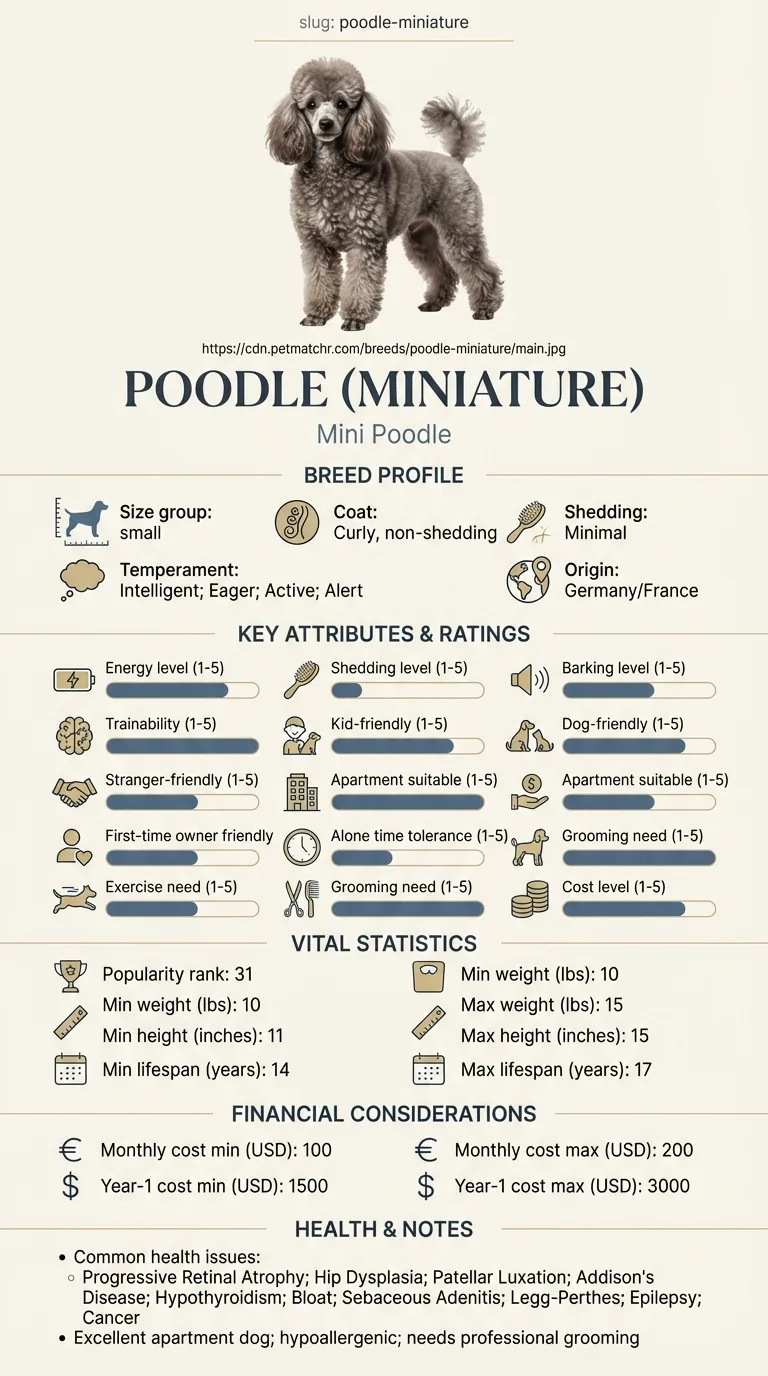
Owners of Mini Poodles often face this challenge, especially those who are new to dog care or have limited experience with health issues. Understanding this condition can help you provide better care for your furry friend.
This guide is not medical advice. If your dog shows pain, sudden behavior change, or worsening symptoms, consult a licensed veterinarian.
Some links may be affiliate links. We may earn a commission at no extra cost to you. We only suggest products we believe are helpful for dog owners.
We research and check what we publish, but we do not warrant that any figure, date, price, or statement is accurate, complete, or current, and we accept no liability for any loss, cost, injury, or other harm arising from the use of this site. Use it as one reference among several. You remain responsible for your own decisions and for your dog's care - confirm anything that matters with a licensed veterinarian or another qualified professional before you act on it. Full disclaimer.
Check this first
Understanding when Poodle (Miniature) immune-mediated thyroiditis becomes an emergency is crucial. While some symptoms can be managed at home, others require immediate veterinary attention. If your Mini Poodle shows any of these red-flag signs, call your vet right away: sudden weight loss, lethargy, vomiting, or difficulty breathing. These could indicate a serious decline in health and need urgent care.
In contrast, if your Poodle (Miniature) has mild symptoms like a slight change in energy or appetite, monitoring may be sufficient. Establish a plan with your vet to track these symptoms over time. Regular check-ups will help you manage the condition without panic.
It's important to stay vigilant. If you notice your dog becoming more withdrawn or experiencing frequent infections, consult your vet. While it might not be an emergency, these signs are worth discussing to adjust your Mini Poodle's care plan. Remember, better safe than sorry, especially when it comes to your furry friend's health.
If any of these apply, call your vet or an emergency clinic now. The rest of this page is for the cases that are not an emergency.
Poodle (Miniature) immune-mediated thyroiditis is an autoimmune disease affecting the thyroid gland. This condition can lead to symptoms like lethargy, weight gain, and changes in coat quality. Owners may notice their Mini Poodle becoming less active or experiencing unusual hair loss, which can be concerning.
Immune-mediated thyroiditis is relatively common in Poodles, especially in Miniature varieties. While not every Mini Poodle will develop this condition, it's important to be aware of the signs and maintain regular veterinary check-ups.
Poodles (Miniature) can be prone to immune-mediated thyroiditis due to genetic factors. Their immune system sometimes mistakenly attacks the thyroid gland, leading to hormonal imbalances. This breed's overall health can also be affected by their propensity for other genetic conditions.
Environmental factors such as diet, stress, and exposure to certain chemicals may contribute to thyroid issues. A poor diet lacking essential nutrients can weaken their immune system. Additionally, high-stress environments can exacerbate health problems in Poodles.
If you suspect your Poodle may have immune-mediated thyroiditis, schedule a vet appointment. Symptoms like lethargy, weight changes, or skin issues warrant professional evaluation. Early diagnosis and treatment can significantly improve your dog's quality of life.
Avoiding common mistakes can help manage Poodle (Miniature) immune-mediated thyroiditis more effectively. Here are some behaviors to watch out for.
Start here: Miniature Poodle Most Common Genetic Disorders: Screening
See all Poodle Miniature health problems, which breeds are prone to immune mediated thyroiditis, or the full Poodle Miniature breed guide for temperament, exercise needs and ownership costs.
Managing Poodle (Miniature) immune-mediated thyroiditis typically takes several months to stabilize. In most cases, you can expect improvements in 4 to 6 months with consistent care and treatment.
Success means your Mini Poodle shows fewer symptoms, such as fatigue and weight changes, and returns to a more active lifestyle. Regular vet check-ups confirm stable thyroid levels, allowing for a balanced life.
Sarah, a busy nurse in San Francisco, noticed her Mini Poodle, Bella, was unusually lethargic and gaining weight despite her regular walks. After a vet visit, Sarah learned that Bella had immune-mediated thyroiditis. With the vet's guidance, they started a tailored medication plan and adjusted Bella's diet. After several months of consistent treatment and follow-ups, Bella regained her energy, playing with other dogs in the park once again. Sarah learned the importance of regular vet visits and monitoring Bella's health closely.
Key takeaway: Early diagnosis and consistent care can help your Poodle (Miniature) manage immune-mediated thyroiditis effectively, leading to a happier, healthier life.
Poodle (Miniature) immune-mediated thyroiditis is an autoimmune disease where the dog's immune system mistakenly attacks the thyroid gland. Genetic predisposition and environmental factors may play a role. Regular vet check-ups can help catch such issues early.
Common symptoms include weight gain, lethargy, and changes in coat quality, such as thinning or excessive shedding. Some dogs may also show signs of skin infections or behavioral changes. If you notice these symptoms, consult your vet.
Management typically involves medication to regulate thyroid hormone levels. Your vet may prescribe synthetic thyroid hormones. Regular monitoring and follow-up appointments are essential to adjust treatment as needed.
A balanced diet rich in omega-3 fatty acids may support your dog's immune system. Consult with your vet for specific dietary recommendations tailored to your Poodle's health needs. Supplements may also be beneficial.
Currently, immune-mediated thyroiditis is not considered curable, but it can be effectively managed with lifelong treatment. Consistent care can lead to a good quality of life for your dog. Early diagnosis is crucial for the best outcomes.
While not all cases can be prevented, maintaining a healthy lifestyle can help. Regular vet visits and vaccinations, along with a nutritious diet, can support overall health. Genetic factors also play a role, so responsible breeding practices are important.
Follow your vet's treatment plan closely, and schedule regular check-ups to monitor your dog's condition. Keep an eye on any changes in behavior or health, and report these to your vet. Supportive care and a loving environment can make a difference.
Yes, older Poodles may show more pronounced symptoms of immune-mediated thyroiditis, as their bodies might be less resilient. Regular vet check-ups become crucial at this age to catch any health issues early.
Support your Poodle by maintaining a calm and consistent routine. Positive reinforcement training techniques work well, especially as they may have lower energy levels due to their condition.
If your Poodle shows any symptoms like weight fluctuations or skin problems, it's time to see your vet. Early intervention can lead to better management of immune-mediated thyroiditis and improve your dog's quality of life.
With proper treatment and care, many Poodles can live a relatively normal life. Regular vet visits and medication will help manage the condition, but it's essential to stay vigilant for any changes in your dog's health.
While immune-mediated thyroiditis cannot be stopped, it can be managed through medication and regular vet visits.
Monitor your dog for symptoms, maintain a balanced diet, and keep up with vet appointments.
Monthly treatment costs can range from $100 to $200, depending on medication and check-ups.
Yes, training is still important for behavioral issues, but focus on gentle methods that accommodate their health.
Poodles may experience anxiety or changes in behavior due to their health condition, requiring patience and understanding.
A one-page prep sheet for this condition: the signs, the questions to ask, what to get priced. Unlocks here.
You get: Vet visit prep sheet
No spam. One-click unsubscribe. See our privacy policy.
Preview page 1 before you decide.