DogBreedCompass
← Back to breed profile

Understanding Poodle (Miniature) Intervertebral Disc Disease (IVDD) Type I

Poodle (Miniature) intervertebral disc disease (IVDD) type I can be a serious health concern, affecting your dog's mobility and comfort.

Understanding Poodle (Miniature) Intervertebral Disc Disease (IVDD) Type I infographic

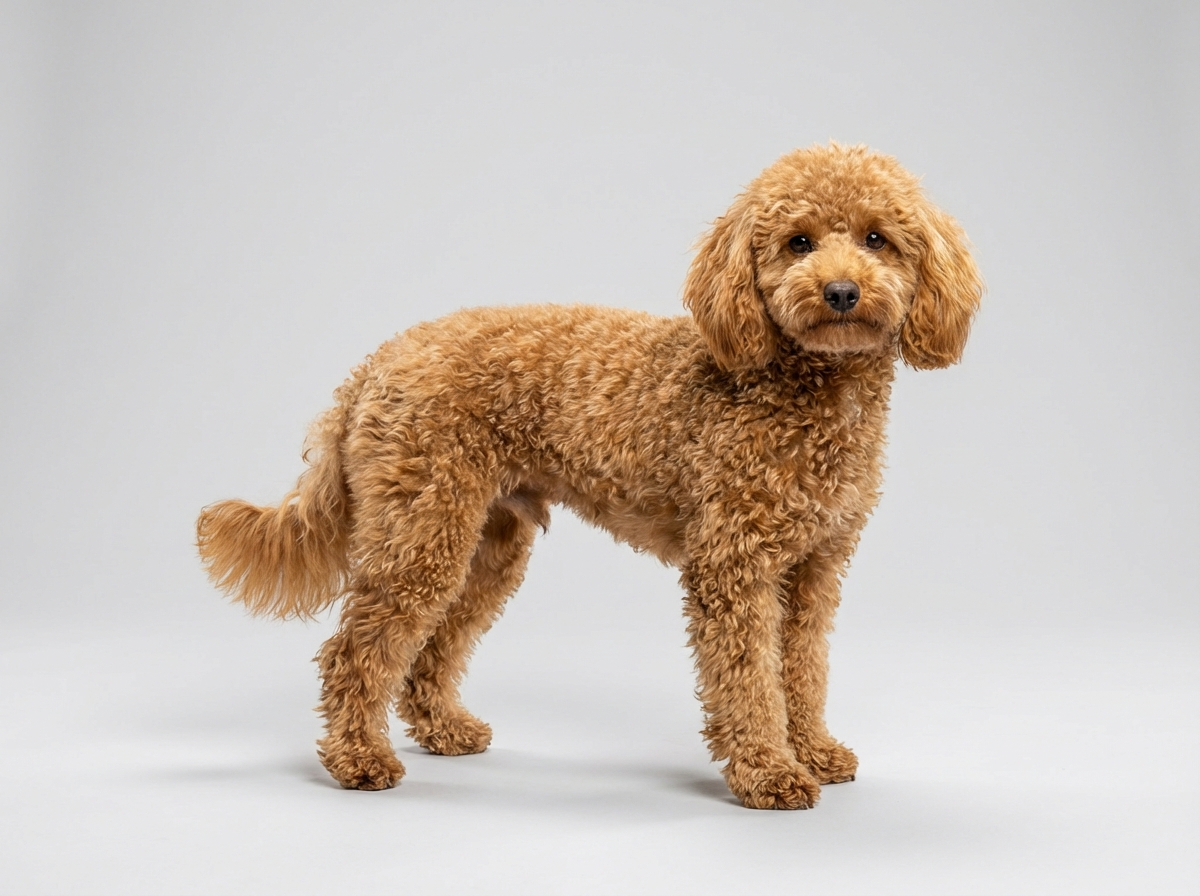
Owners of Mini Poodles often face challenges with IVDD type I, especially those who notice their dog struggling with mobility or showing signs of pain. This condition can be particularly concerning for first-time dog owners who may not be familiar with the signs of discomfort in their pets.

Important reminder

This guide is not medical advice. If your dog shows pain, sudden behavior change, or worsening symptoms, consult a licensed veterinarian.

Some links may be affiliate links. We may earn a commission at no extra cost to you. We only suggest products we believe are helpful for dog owners.

What this problem looks like

Poodle (Miniature) intervertebral disc disease (IVDD) type I is a serious condition where herniated discs press on the spinal cord. This can lead to pain, weakness, or even paralysis in affected dogs. It’s common in Mini Poodles due to their unique spine structure, which makes them more susceptible to this issue.

Common triggers

  • Age-related degeneration of the spine
  • Excessive jumping or rough play
  • Obesity, which increases pressure on the spine
  • Sudden movements or falls

This condition is relatively common among Mini Poodles, particularly as they age. Many owners report symptoms in their dogs, often arising between the ages of 3 and 8 years. Regular vet check-ups can help catch issues early.

Why this happens

Breed factors

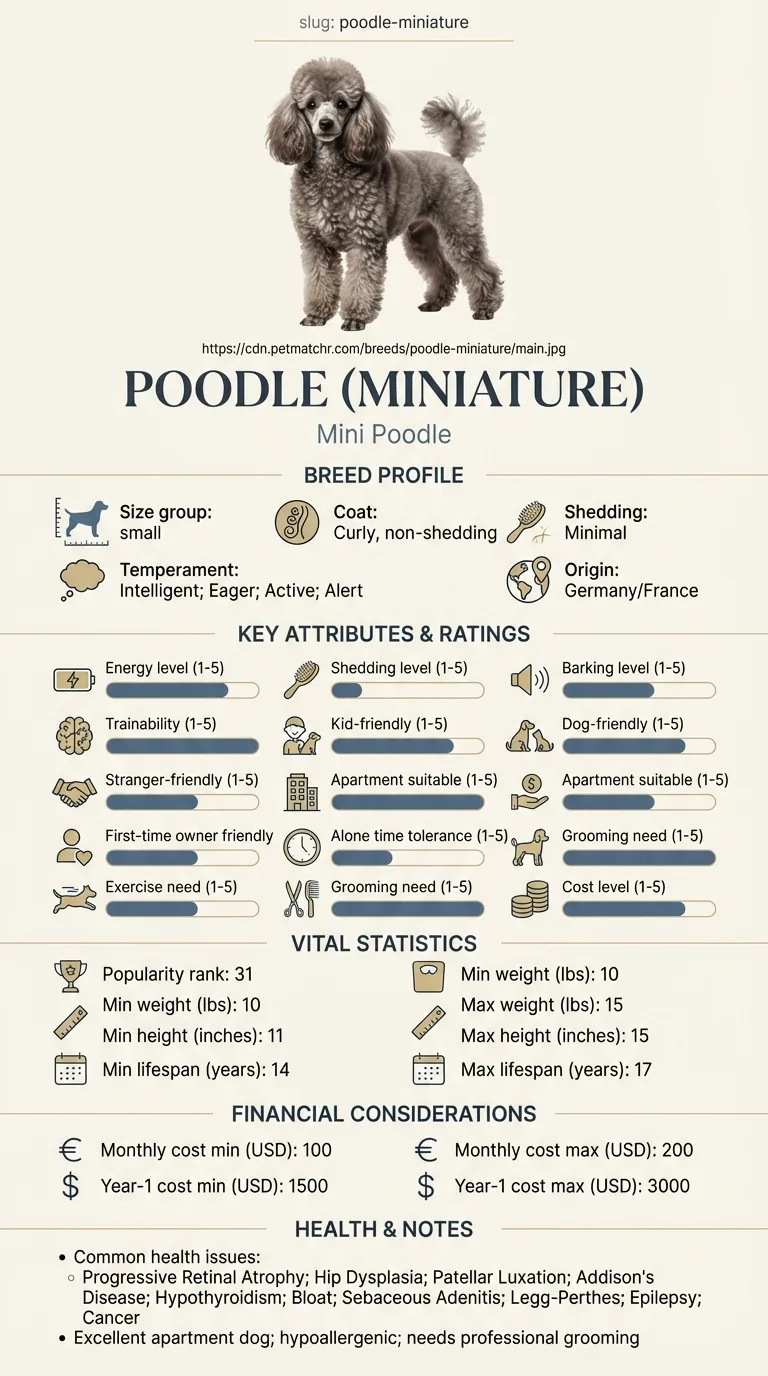
Poodle (Miniature) dogs are prone to intervertebral disc disease (IVDD) type I due to their genetic predisposition. Their smaller size and unique body structure can lead to issues with their spinal discs, making them more vulnerable to herniation.

Environment factors

Environmental factors also contribute to IVDD. Activities like jumping from high places, rough play, or obesity can increase the risk of disc problems. Ensuring a safe and controlled environment can help minimize these risks.

What you can try

At-home strategies

  • Limit high-impact activities. Avoid letting your Mini Poodle jump from furniture or run on slippery surfaces.
  • Provide a supportive bed. Use orthopedic or memory foam beds to help reduce strain on their spine.
  • Maintain a healthy weight. Monitor your dog's diet and exercise to prevent obesity, which can worsen IVDD.

When to consider a trainer

If your Mini Poodle shows signs of anxiety about jumping or struggles with basic commands, a trainer can help. Look for someone experienced with small breeds and specific to IVDD concerns.

When to talk to your vet

Consult your vet if your dog shows signs of pain, weakness, or difficulty moving. Early intervention is crucial for managing IVDD effectively.

Realistic expectations

With consistent care and training, improvements in your Poodle (Miniature) can be seen within 6 to 12 weeks.

Success means your dog can move more comfortably, engage in daily activities without pain, and show fewer signs of distress or discomfort.

Mistakes that make this worse

Avoiding these common mistakes can help improve your Mini Poodle's condition.

  • Ignoring signs of discomfort: If your Poodle (Miniature) shows signs of pain, like whining or reluctance to move, it's crucial to address these issues. Ignoring these signs can worsen their condition.
  • Overexerting your dog: Allowing your Mini Poodle to engage in high-impact activities can exacerbate intervertebral disc disease. Instead, focus on low-impact exercises like gentle walks or swimming.
  • Neglecting weight management: Keeping your Poodle (Miniature) at a healthy weight is essential. Excess weight puts added pressure on their spine. Consult your vet for a suitable diet plan.
  • Skipping regular vet check-ups: Regular vet visits are vital for monitoring your dog's health. Skipping these can lead to missed opportunities for early intervention.
  • Not providing a supportive resting environment: Dogs with IVDD need a comfortable and supportive place to rest. Avoid letting them sleep on hard surfaces; instead, use orthopedic beds.
  • Failing to follow a treatment plan: If your vet prescribes medication or therapy, it's important to follow through. Disregarding this advice can slow recovery.
  • Inconsistent training: Training your Mini Poodle to avoid jumping or running excessively is crucial. Inconsistent rules can confuse them and lead to setbacks.

When Poodle (Miniature) Intervertebral Disc Disease (IVDD) Type I is an Emergency

Intervertebral disc disease (IVDD) type I can be serious for your Poodle (Miniature). It's crucial to know when to act quickly. If your dog shows signs of severe pain, inability to stand or walk, or has lost bladder control, these are red flags. Call your vet immediately if you notice any of these symptoms.

In less severe cases, such as mild discomfort or slight mobility issues, you can monitor your Poodle (Miniature) at home. Look for changes in behavior, appetite, or activity levels. If your dog seems to be in pain but can still move around, it’s essential to keep a close watch and have a plan in place for vet visits. Always err on the side of caution when it comes to their health.

Understanding Poodle (Miniature) Intervertebral Disc Disease (IVDD) Type I - When Poodle (Miniature) Intervertebral Disc Disease (IVDD) Type I is an Emergency

Overcoming IVDD Challenges: A Mini Poodle's Journey

Emily, a busy nurse in Chicago, noticed her Mini Poodle, Bella, struggling to jump onto the couch. After a vet visit, she learned Bella had intervertebral disc disease (IVDD) type I. Determined to help Bella, Emily created a structured exercise plan and invested in a supportive dog bed. Over time, Bella's mobility improved, and she regained her playful spirit. Emily also learned to manage Bella's activities to prevent further issues.

Key takeaway: With the right care and proactive management, you can help your Poodle (Miniature) live a happier, more comfortable life despite IVDD.

Frequently asked questions

Why does my Poodle (Miniature) have intervertebral disc disease (IVDD) type I?

Intervertebral disc disease (IVDD) type I is common in Poodles due to their genetic predisposition. Factors like age, weight, and activity level can contribute to the likelihood of developing this condition. Regular vet check-ups and maintaining a healthy weight can help manage risks. This answer relates to Poodle (Miniature) intervertebral disc disease (ivdd) type i.

How can I stop my Poodle (Miniature) from suffering from IVDD type I?

Preventing IVDD type I involves maintaining a healthy weight and limiting high-impact activities. It's also important to provide proper support when your dog jumps or climbs. Consult your vet for tailored exercises to strengthen your dog's back.

What are the signs of intervertebral disc disease (IVDD) type I in Poodles?

Signs of IVDD type I include reluctance to move, yelping in pain, or difficulty walking. You might also notice your Poodle having trouble jumping or climbing stairs. If you see these signs, consult your vet immediately.

What treatments are available for Poodle (Miniature) IVDD type I?

Treatment options for IVDD type I include medication for pain management, physical therapy, and sometimes surgery. The best approach depends on the severity of the condition, so it's essential to follow your vet's advice. Early intervention can improve outcomes significantly.

Is intervertebral disc disease (IVDD) type I common in Poodles?

Yes, intervertebral disc disease type I is relatively common in Poodles, especially as they age. Smaller breeds, like the Poodle (Miniature), are more susceptible due to their spine structure. Regular vet visits can help catch any issues early.

What are the early signs of intervertebral disc disease (IVDD) type I in my Poodle (Miniature)?

Early signs of IVDD type I in Poodles (Miniature) may include reluctance to jump, difficulty walking, or unusual posture. You might also notice your dog being less playful than usual or showing signs of pain when touched along the back. If you observe these symptoms, consult your vet for a thorough examination.

Can older Poodles (Miniature) develop intervertebral disc disease (IVDD) type I?

Yes, older Poodles (Miniature) are at increased risk for developing IVDD type I due to age-related changes in their spine. Degeneration of the discs can lead to herniation, causing pain and mobility issues. Regular vet check-ups are crucial for older dogs to catch any potential problems early.

How can I manage my Poodle (Miniature) with intervertebral disc disease (IVDD) type I at home?

Managing your Poodle (Miniature) with IVDD type I at home involves providing a comfortable, quiet space and limiting their activity. You should avoid allowing them to jump or climb stairs. Controlled physical therapy and gentle walks can help maintain mobility, but always consult your vet before starting any new routines.

Is surgery necessary for Poodles (Miniature) with intervertebral disc disease (IVDD) type I?

Surgery may be necessary for Poodles (Miniature) with severe IVDD type I if conservative treatments do not alleviate symptoms. Your vet can help determine the best course of action based on your dog's condition. Early intervention often leads to better outcomes, so don’t hesitate to seek professional advice.

What can I do to prevent intervertebral disc disease (IVDD) type I in my Poodle (Miniature)?

While not all cases of IVDD can be prevented, you can take steps to minimize risks. Keeping your Poodle (Miniature) at a healthy weight, providing low-impact exercise, and avoiding high-impact activities can help. Regular vet check-ups are also vital for early detection of any spine-related issues.

Quick answers

View more answers
Behavior

What are quick tips for managing IVDD type I in Poodles?

To manage IVDD type I, keep your Poodle at a healthy weight and limit jumping. Regular gentle exercise can also strengthen their back. Consult your vet for specific training recommendations.

Living

How can I help my Poodle (Miniature) with IVDD type I?

Provide a supportive bed and avoid stairs if possible. Use harnesses for safe handling and to prevent injury during walks. Regular vet check-ups are essential for monitoring their condition.

Costs

What costs are associated with treating IVDD type I?

Treatment for IVDD type I can vary widely, typically ranging from $500 to $5,000 depending on the severity and type of treatment required. Always discuss costs with your vet before deciding on a treatment plan.

Related DogBreedCompass guides

  • Understanding IVDD in Poodles (Miniature)Learn more about how IVDD can affect the Mini Poodle's health and what preventive steps you can take.
  • Poodle (Miniature) behavior problemsFind effective training techniques to manage your Poodle (Miniature)'s behavior issues related to IVDD.
  • Common health issues in Poodles (Miniature)Explore the common health issues faced by Mini Poodles and how to address them.
  • Poodle (Miniature) separation anxiety guideGet tips on how to help your Poodle (Miniature) cope with separation anxiety, which can be exacerbated by health issues.
  • Poodle (Miniature) cost breakdownDiscover the overall costs of owning a Poodle (Miniature) and what to budget for when dealing with health issues.

Related guides