Health
Are published breed hip dysplasia rates reliable?
Only directionally. They come from voluntary submissions, so poor films often go unsent and toy breeds are barely represented at all.

Quick answer
Are published breed hip dysplasia rates reliable?
Only directionally. They come from voluntary submissions, so poor films often go unsent and toy breeds are barely represented at all.
The most important question about a breed prevalence figure is not how high it is. It is who decided which dogs got counted.
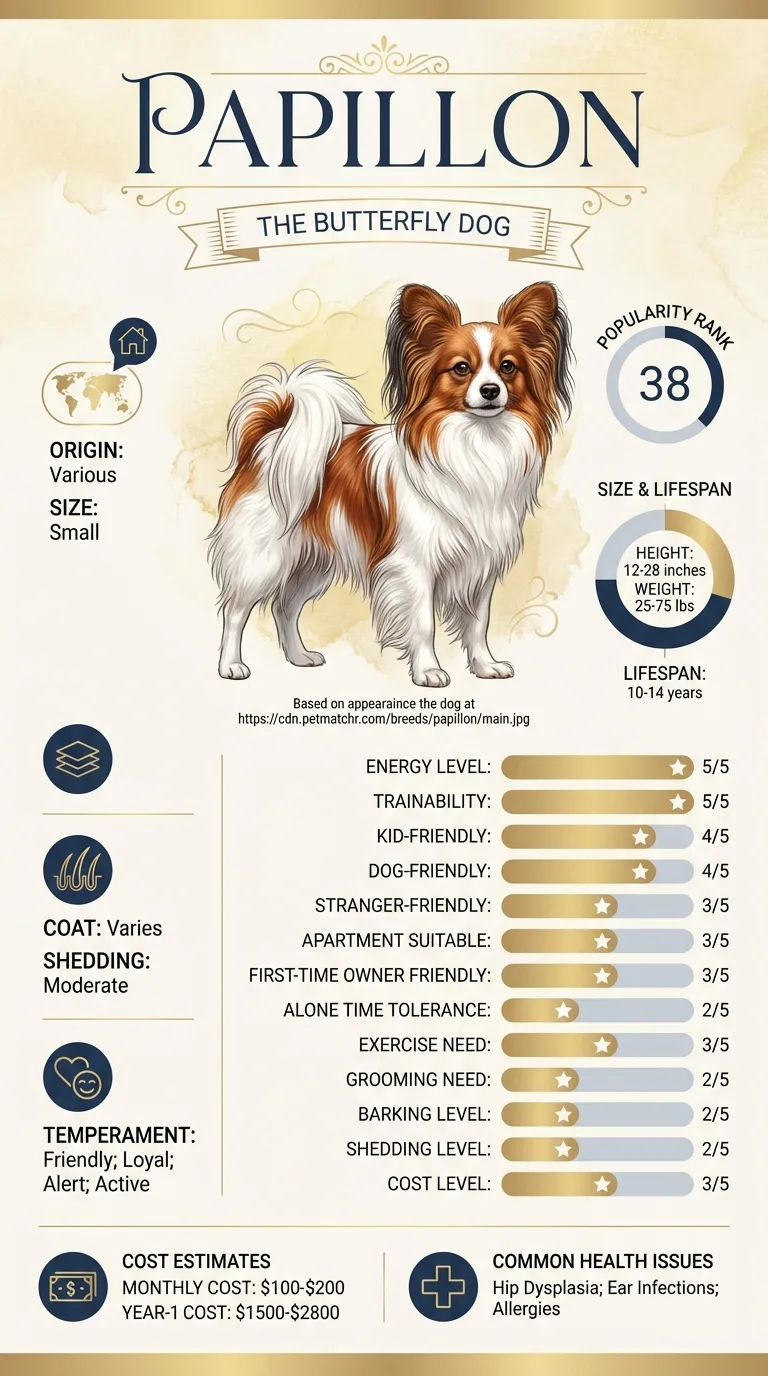
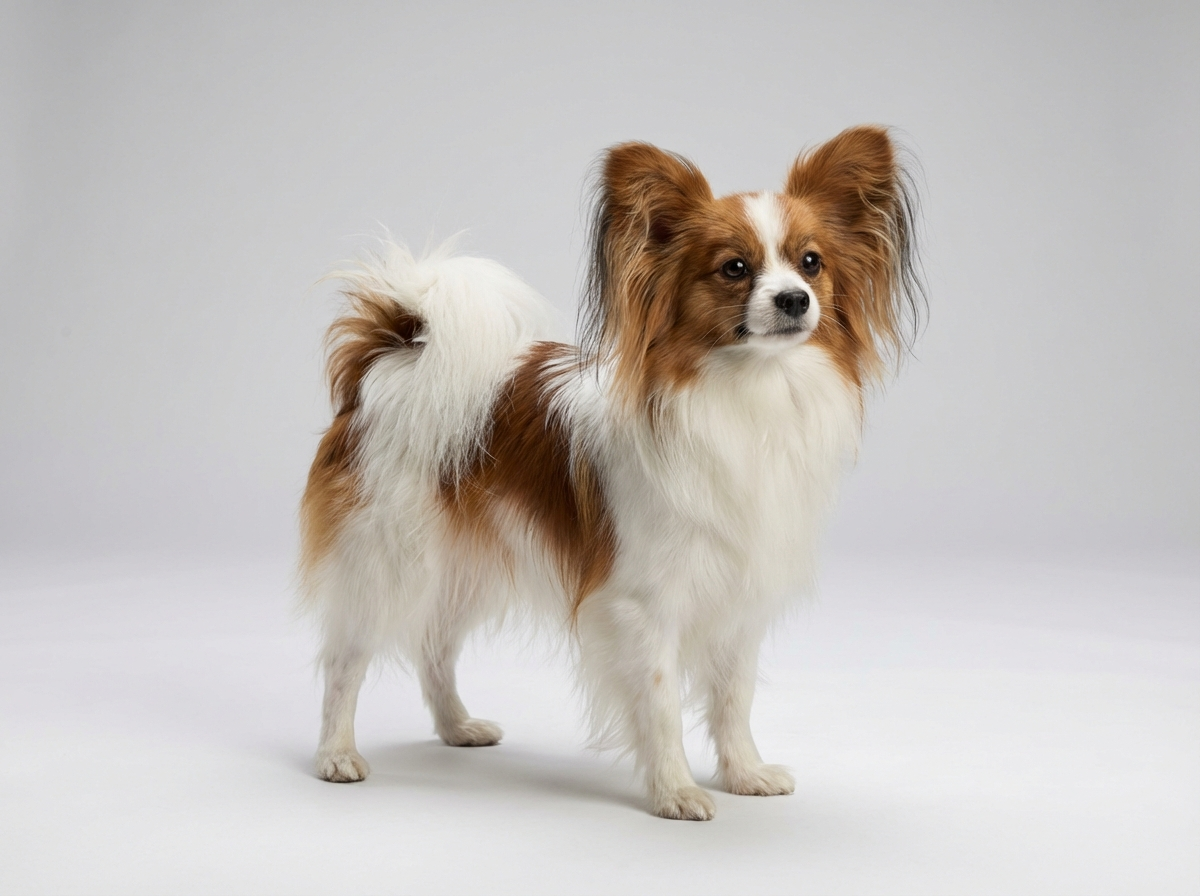
Buyers comparing two Papillon litters and trying to work out whether one breeder's paperwork is genuinely better, and owners who have read a scary statistic and want to know whether it describes their dog.
This guide is not medical advice. If your dog shows pain, sudden behavior change, or worsening symptoms, consult a licensed veterinarian.
Some links may be affiliate links. We may earn a commission at no extra cost to you. We only suggest products we believe are helpful for dog owners.
Prevalence is a claim about how often something occurs in a defined population. For canine hip dysplasia the defined population is not the breed, it is the set of dogs whose owners paid to have radiographs evaluated. Because submission is voluntary and unfavourable films are frequently withheld, published breed percentages sit somewhere below the truth for well screened breeds and are close to meaningless for toy breeds that barely participate.
Misreading these numbers is close to universal among first time buyers, and it is not their fault. The figures are published without their caveats, repeated across breed directories, and eventually cited as though they came from a census. Very few Papillon buyers are ever told that the breed's hip data is thin enough to be uninformative.
The Papillon's screening culture is shaped by what actually goes wrong in the breed. Patellar luxation and progressive retinal atrophy are the documented concerns, so responsible breeders concentrate their testing budget there, and hip radiographs are comparatively rare. That is a rational allocation of effort, but it produces a data vacuum, and a data vacuum is exactly the condition in which a spurious percentage can circulate unchallenged.
The information environment does the rest. Breed directories copy tables from one another without the methodology notes, and search results reward a single confident number over a paragraph of caveats. Sellers then have an incentive to quote whichever figure supports the sale, and buyers have no easy way to check the sample size behind it.
Statistics are not a reason to see a vet, but the dog in front of you might be. Book an appointment if your Papillon has any persistent limp, difficulty rising, reluctance to jump onto furniture it used to manage, or a hind leg that has visibly lost muscle. Seek same day care if a leg cannot bear weight at all, if there is swelling or heat over a joint, or if lameness follows a fall, because a five to ten pound dog with fine bones can fracture on impacts a bigger dog would absorb.
See all Papillon health problems, which breeds are prone to hip dysplasia prevalence, or the full Papillon breed guide for temperament, exercise needs and ownership costs.
You can do this research in a couple of evenings. Expect to discard most of the numbers you find, keep two or three sources that publish their methods, and end up making the decision on the strength of a specific breeder's paperwork and answers rather than on a breed average.
Success is walking away from a litter for a reason you could explain, or choosing one for a reason you could explain. It is not finding the correct percentage, because for this breed there probably is not one.
Hip registries work on voluntary submission. A vet takes positioned radiographs, the owner pays a fee, the films go to a panel, and a grade comes back. Nothing forces anyone to send anything.
That creates a filter. Breeders who radiograph a young dog, see an obviously poor hip, and quietly never submit the film remove the worst results from the dataset. Meanwhile the dogs that do get submitted are disproportionately breeding candidates from health conscious kennels, which are not a random sample of the breed either. The published percentage therefore describes screened dogs from participating kennels, not the breed.
For toy breeds a second distortion piles on top. Very few Papillon owners ever radiograph hips at all, because the breed's screening culture centres on kneecaps and eyes. That means the total number of Papillon submissions is small, and small samples produce percentages that swing wildly with a handful of dogs. A breed with two hundred submissions and a breed with forty thousand should not have their numbers read with equal confidence, yet they get printed side by side in the same table.
The honest summary is that hip dysplasia is diagnosed far more often in large breeds than in toy breeds, that the direction of that difference is robust, and that the specific decimal attached to any small breed deserves a shrug rather than a strategy.

Health testing claims are unregulated. These questions are hard to answer convincingly if the testing is not actually happening.
If you think your Papillon has hip dysplasia prevalence, the plan is three steps: write down what you have seen and when it started, book a veterinary appointment rather than waiting for the next flare, and take video of the behaviour or symptom before you go — the thing you are worried about rarely happens in the consulting room. Screening in the parents covers patellar luxation, progressive retinal atrophy, dental disease.
What the vet visit should produce is a diagnosis and a written plan, not just reassurance: what is being ruled out, what the monitoring interval is, and which signs mean you come back sooner. Ask what the treatment costs across a year rather than per visit, because that is the number that decides whether you are managing this condition or reacting to it.
Between appointments, keep a short log — dates, what you saw, what changed. It is the single most useful thing an owner brings to a follow-up, and for hip dysplasia prevalence it is often what separates a clear pattern from a guess.
Ngozi was choosing between two Papillon litters four hours apart. The first breeder used the phrase fully health tested in every message and, when asked, produced nothing beyond a vaccination record. The second sent photographs of a patellar evaluation on both parents and an eye examination certificate dated eleven weeks earlier. When Ngozi asked whether they had ever removed a dog from breeding, the answer was a specific one: a bitch retired at two after a grade two kneecap on the left, with the year and the vet named. Neither breeder had submitted hip radiographs. Ngozi had spent a week trying to find a Papillon hip prevalence figure and had turned up three that disagreed with each other. In the end the hips were not what decided it. The folder was.
Key takeaway: For a toy breed, the useful evidence is a specific breeder's documents and a specific breeder's answers about failures. A breed wide percentage assembled from voluntary submissions cannot carry that weight.
No trustworthy figure exists, because too few Papillons are ever radiographed for the denominator to mean anything. What is reliably known is that clinical hip dysplasia is uncommon in toy breeds and that the Papillon's documented orthopaedic issue is patellar luxation. Treat any confident single number for this breed with suspicion.
Because registries publish whatever they receive, and a table with gaps looks incomplete. A line for a breed with a few dozen lifetime submissions sits next to a line for a breed with tens of thousands, formatted identically. The formatting implies a comparability that the underlying data does not support.
It is mild reassurance about the breed, not information about your individual dog. Population statistics never tell you what is inside one animal. The things that actually predict your puppy's joints are its parents, its line, its growth, and what it weighs at five years old.
You can ask, and some breeders will have them, but their absence is not the warning sign it would be for a large breed. Spend your scrutiny on patellar evaluations and on a recent eye examination, since progressive retinal atrophy and slipping kneecaps are the documented concerns in this breed.
No. Hip conformation is influenced by many genes plus environment, so well graded parents shift the odds without setting them. What screening does is remove the worst dogs from a breeding pool over generations, which is a population level effect rather than a per puppy promise.
Insurers price on claim experience across a breed, not on registry grades, and hereditary conditions are commonly excluded once diagnosed. That makes enrolment timing far more consequential than any certificate. Enrol before a diagnosis exists, not after a limp appears.
Only directionally. They come from voluntary submissions, so poor films often go unsent and toy breeds are barely represented at all.
Kneecaps and eyes. Patellar luxation and progressive retinal atrophy are the breed's documented issues, and current certificates for both are reasonable to ask for.
No. Population figures describe groups. Your dog's risk comes from its parents, its line and how lean you keep it across a fourteen to sixteen year life.
Price and paperwork are not correlated. Ask to see certificates and ask what the breeder does with a bad result, then judge.
A one-page prep sheet for this condition: the signs, the questions to ask, what to get priced. Unlocks here.
You get: Vet visit prep sheet
No spam. One-click unsubscribe. See our privacy policy.
Preview page 1 before you decide.