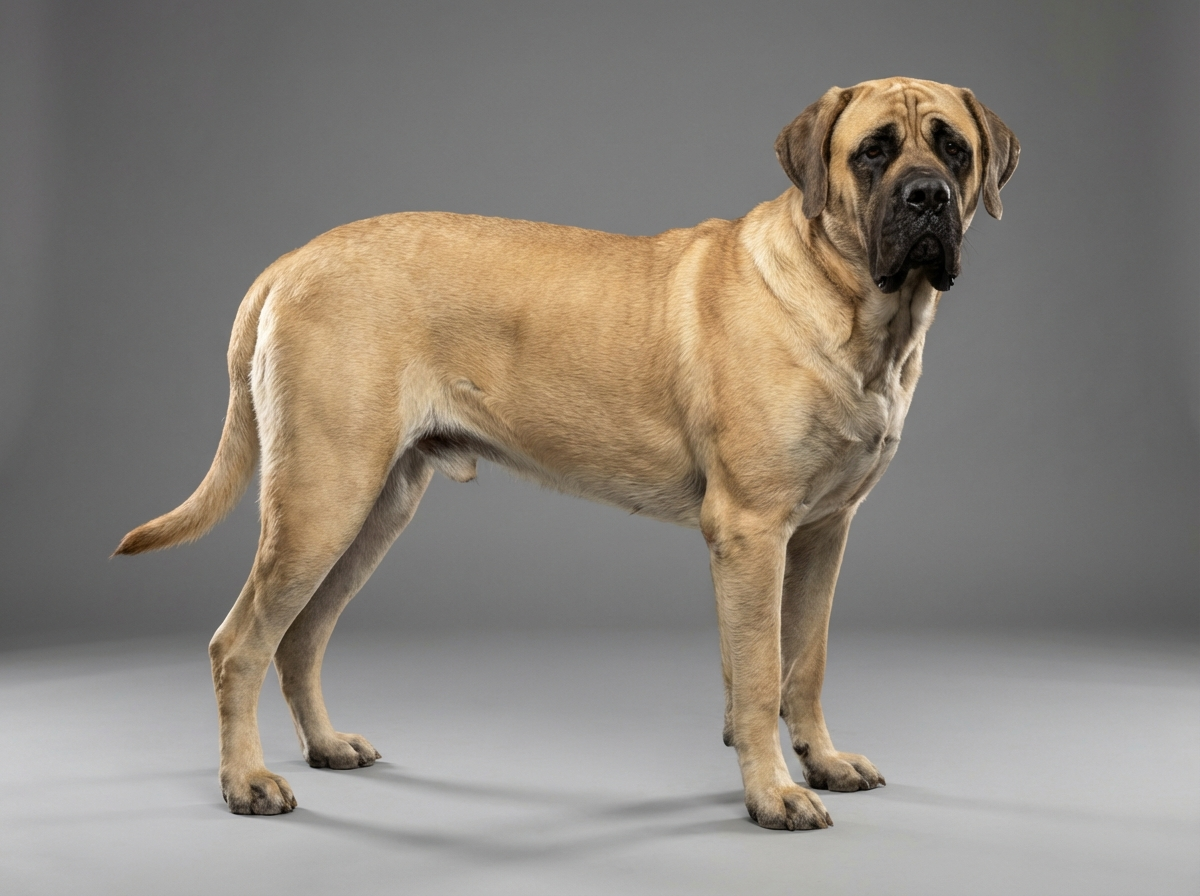
What this problem looks like
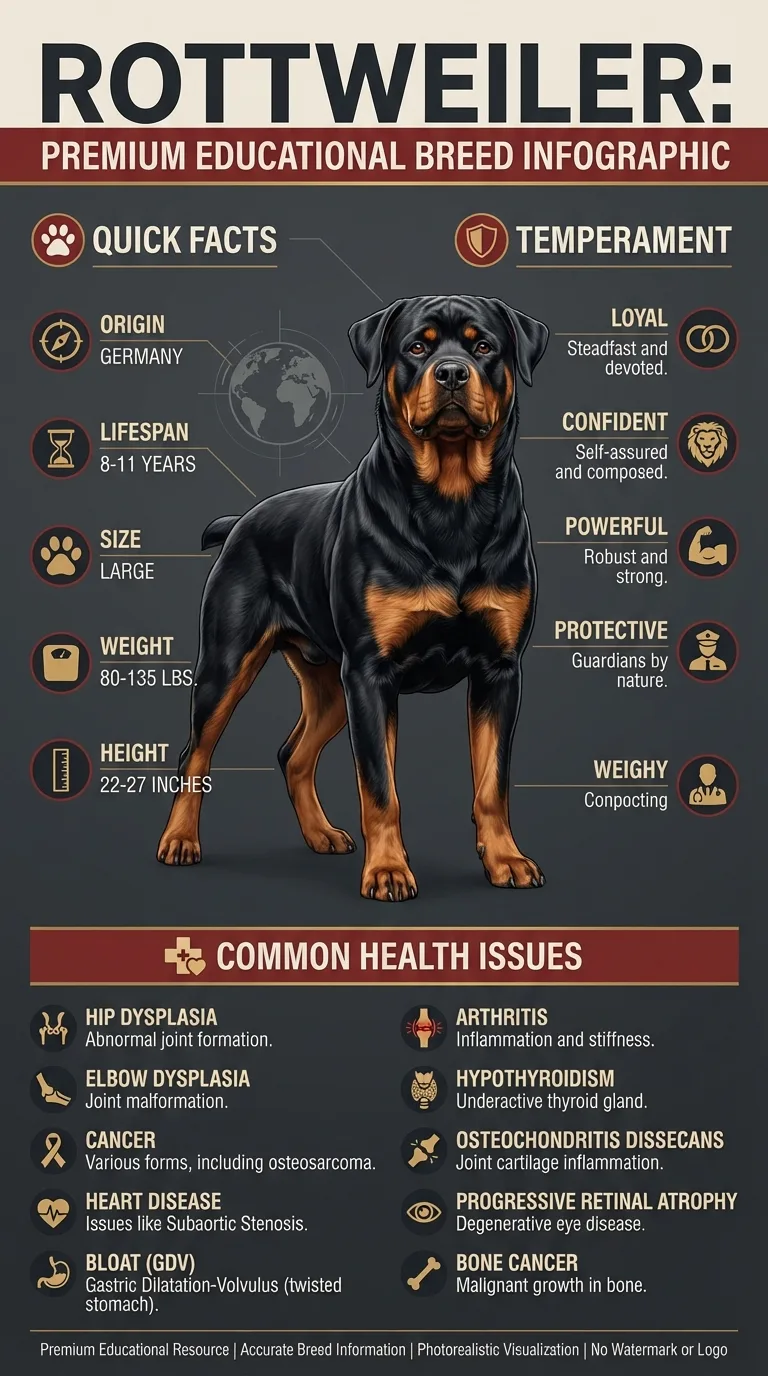
Rottweiler hip dysplasia prevalence is a common issue among this breed, affecting their joints and overall mobility. Daily life can be challenging for Rottweilers dealing with this problem, as they may show signs of discomfort when getting up, running, or even playing. Owners might notice their Rottweilers being less active or reluctant to engage in their favorite activities due to pain or stiffness in their hips.
Common triggers
- Genetics and heredity factors
- Obesity or rapid weight gain
- Inadequate exercise or overexertion
- Poor nutrition during growth phases
Hip dysplasia is particularly prevalent in Rottweilers, with studies showing that nearly 20-25% of this breed may be affected. This condition is not only common but can also lead to more severe issues like arthritis if not managed properly.
A Journey with Max: Battling Hip Dysplasia
When Sarah adopted Max, her Rottweiler, she noticed him limping after playtime. After a visit to the vet, she learned about Rottweiler hip dysplasia prevalence and how common it is in the breed. Determined to help, Sarah committed to a daily routine of low-impact exercises and weight management.
They also incorporated joint supplements into his diet. Over time, Max became more active and playful, and his limping decreased significantly. Sarah felt relieved and proud to see Max enjoying life again.
Key takeaway: With dedication to a tailored exercise and nutrition plan, managing Rottweiler hip dysplasia prevalence can lead to a happier, healthier dog.