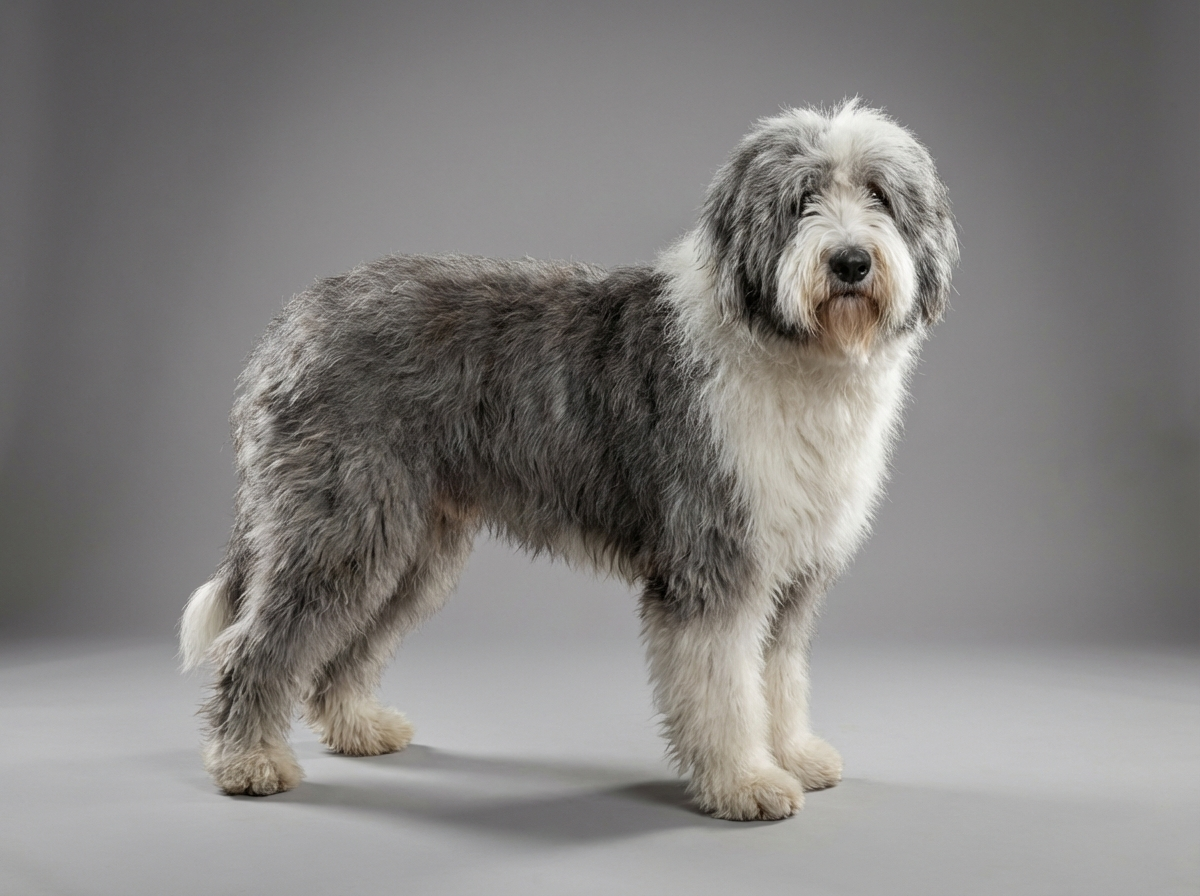
Health
Is cataracts a documented issue in this breed?
Yes, it's specifically listed among this breed's common documented health conditions.

Quick answer
Is cataracts a documented issue in this breed?
Yes, it's specifically listed among this breed's common documented health conditions.
One of this breed's eye risks is written into its genes; the other one is quite literally growing out of its face.
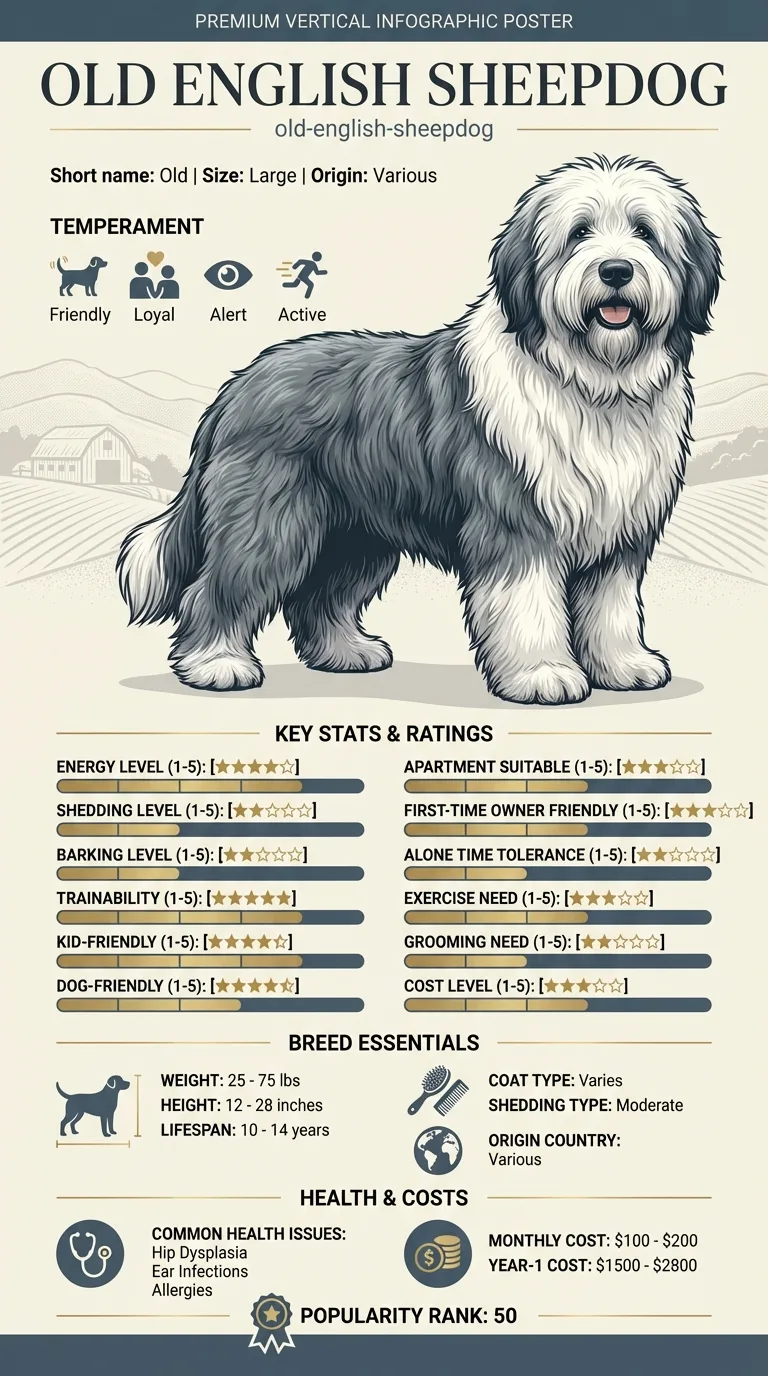
Owners who keep the facial coat untrimmed or untied for the classic shaggy look, and anyone noticing squinting, excessive tearing, or a cloudy appearance to the eyes in an adult or senior dog.
This guide is not medical advice. If your dog shows pain, sudden behavior change, or worsening symptoms, consult a licensed veterinarian.
Some links may be affiliate links. We may earn a commission at no extra cost to you. We only suggest products we believe are helpful for dog owners.
We research and check what we publish, but we do not warrant that any figure, date, price, or statement is accurate, complete, or current, and we accept no liability for any loss, cost, injury, or other harm arising from the use of this site. Use it as one reference among several. You remain responsible for your own decisions and for your dog's care - confirm anything that matters with a licensed veterinarian or another qualified professional before you act on it. Full disclaimer.
This breed faces two distinct eye risks: cataracts, a documented genetic and age-related clouding of the lens, and mechanical irritation from its own facial coat rubbing against the cornea if left untrimmed. The two look similar to an untrained eye but require completely different responses, one medical monitoring and possible surgery, the other simple grooming management.
Cataracts are one of the specifically documented common health issues in this breed. Coat-related eye irritation isn't a formal diagnosis but is an extremely common, largely preventable everyday issue for owners who don't regularly trim or tie back the facial hair.
This breed's documented health profile lists cataracts directly as a common issue, while its equally documented facial coat, long hair covering the eyes as part of the breed's signature look, creates a completely separate, purely mechanical irritation risk if that hair isn't managed.
Infrequent grooming or trimming around the eyes directly drives the coat-related irritation risk, while skipped annual eye exams delay catching cataract changes early, when monitoring or eventual surgical planning is most useful.
Talk to your vet if squinting or tearing doesn't improve within a few days of trimming hair away from the eyes, or if you notice a cloudy, bluish-gray tint to the lens. Seek prompt care for sudden severe eye pain, a visibly injured eye, or sudden vision loss.
See all OLD English Sheepdog health problems, which breeds are prone to ocular disease, or the full OLD English Sheepdog breed guide for temperament, exercise needs and ownership costs.
Coat-related irritation typically resolves within days of trimming the offending hair. Cataracts, once present, don't resolve on their own, and a decision about surgical removal, if vision is significantly affected, is generally made after monitoring progression over months.
Success looks like an eye area kept clear of irritating hair as routine maintenance, combined with annual eye exams that catch and track any cataract development early enough to make an informed decision about surgery if it becomes necessary.
Cataracts, a clouding of the eye's lens that can range from a small spot with no functional impact to a dense opacity that significantly impairs vision, are documented as a common issue in this breed and typically develop with age, though some cases have a genetic, earlier-onset component. This is an internal, structural change to the eye that no amount of grooming affects. Entirely separately, this breed's dense facial coat, if left untrimmed or untied back, can grow long enough to constantly brush against the cornea, the clear surface of the eye, causing chronic low-grade irritation, excess tearing, and in more persistent cases, corneal abrasion or secondary infection. Both problems show up as a visibly uncomfortable or unusual-looking eye, but one is a genetic condition needing monitoring and eventual surgical consultation, while the other is a grooming and management issue that's almost entirely preventable.
Coat-related irritation typically improves noticeably once the offending hair is trimmed back or tied up out of the eyes, with tearing and squinting easing within days. A cataract, by contrast, doesn't respond to grooming changes at all, since it's a change inside the lens rather than anything touching the eye's surface, and it's typically painless in its early stages, more often noticed as a cloudy or bluish-gray tint to the pupil than as visible discomfort. If trimming the coat away from the eyes doesn't resolve squinting or tearing within a few days, or if you notice a cloudy tint to the lens itself, that's the point to get an actual veterinary eye exam rather than continuing to guess at home.

Juniper, a four-year-old Old English Sheepdog in Richmond, started squinting and tearing from her left eye, and her owner Simone worried immediately it might be a serious problem. At her vet visit, a close exam found no sign of a cataract or internal issue, just hair from her overgrown facial coat making direct contact with her cornea. Simone had been keeping Juniper's face fully shaggy for the classic look and hadn't trimmed near the eyes in months. Once the hair was trimmed back and tied up, Juniper's squinting resolved within three days. Simone now keeps a standing trim schedule specifically around the eyes, separate from her full-body grooming appointments.
Key takeaway: The scariest-looking symptom turned out to be the simplest possible cause, and knowing to rule out the coat itself before assuming a genetic eye disease saved Juniper an unnecessary workup.
Yes, cataracts are specifically documented as a common health issue in this breed, ranging from minor spots with no functional impact to more significant vision-impairing opacity.
It can, if left untrimmed or untied, hair growing across the eyes can rub against the cornea and cause chronic irritation, excess tearing, and in persistent cases, corneal damage or infection.
Coat irritation typically improves within days once the hair is trimmed or tied back from the eyes. A cataract doesn't respond to grooming changes and instead shows up as a cloudy or bluish tint to the lens itself.
Surgical removal is the definitive treatment for vision-impairing cataracts and is generally successful, though it's a specialized procedure performed by a veterinary ophthalmologist rather than a routine vet visit.
Yes, keeping the facial coat trimmed back or tied up away from direct eye contact is a simple, preventable way to avoid chronic irritation, regardless of whether cataracts are ever a concern.
Yes, persistent rubbing can lead to corneal abrasion or secondary infection if left unaddressed, which is why ongoing squinting or tearing shouldn't simply be accepted as normal for a shaggy-faced breed.
They can appear at various ages, some earlier due to a genetic component and others later as part of normal aging, which is why annual eye exams from middle age onward are worth doing regardless of visible symptoms.
Yes, it's specifically listed among this breed's common documented health conditions.
Yes, untrimmed facial hair rubbing against the eye can cause chronic irritation separate from any genetic condition.
Trim the hair back from the eyes; if squinting or tearing doesn't improve within a few days, get a veterinary eye exam.
Yes, it's a specialized ophthalmology procedure that typically costs several thousand dollars per eye.
Yes, keeping hair trimmed or tied back from the eyes is a simple, largely preventable way to avoid chronic corneal irritation.
A one-page prep sheet for this condition: the signs, the questions to ask, what to get priced. Unlocks here.
You get: Vet visit prep sheet
No spam. One-click unsubscribe. See our privacy policy.
Preview page 1 before you decide.