Health
Is Legg-Calvé-Perthes disease a real risk for this breed?
No, it's essentially a small-breed disease and doesn't meaningfully occur in giant breeds at this body scale.

Quick answer
Is Legg-Calvé-Perthes disease a real risk for this breed?
No, it's essentially a small-breed disease and doesn't meaningfully occur in giant breeds at this body scale.
The same joint can fail in very different ways depending on how much dog is attached to it, and this disease belongs almost entirely to the small end of that scale.
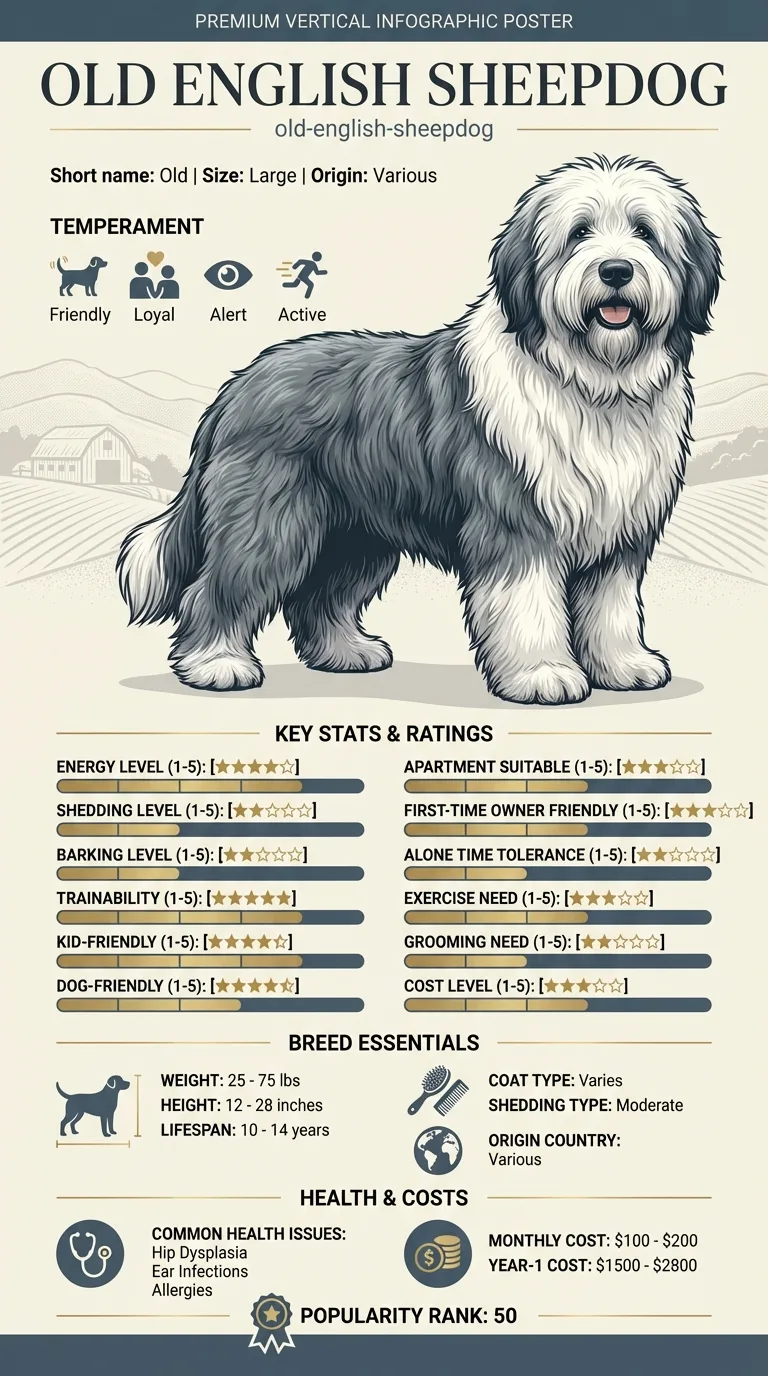
Owners who've encountered this diagnosis name while researching hip problems and want to understand why it doesn't really apply here, and anyone trying to figure out what large-breed hip issues actually look like instead.
This guide is not medical advice. If your dog shows pain, sudden behavior change, or worsening symptoms, consult a licensed veterinarian.
Some links may be affiliate links. We may earn a commission at no extra cost to you. We only suggest products we believe are helpful for dog owners.
We research and check what we publish, but we do not warrant that any figure, date, price, or statement is accurate, complete, or current, and we accept no liability for any loss, cost, injury, or other harm arising from the use of this site. Use it as one reference among several. You remain responsible for your own decisions and for your dog's care - confirm anything that matters with a licensed veterinarian or another qualified professional before you act on it. Full disclaimer.
Legg-Calvé-Perthes disease is a loss of blood supply to the femoral head that's documented almost exclusively in toy and small breeds, and it does not meaningfully occur in a giant breed like the Old English Sheepdog. Owners researching a hind-leg limp in this breed should look toward hip dysplasia, a genuinely documented condition for this size and profile, rather than this small-breed-specific disease.
This condition is not documented in this breed and would be considered a highly unusual finding if it ever occurred. Hip dysplasia is the condition actually documented as common here and is the far more relevant diagnosis for any hind-leg symptoms.
This breed's own documented health profile does not include Legg-Calvé-Perthes disease, and its giant-breed hip joint scale is fundamentally different from the small, lightweight joints where this disease's vascular mechanism is actually documented to occur.
There's no meaningful environmental driver to discuss for this specific disease in this breed, since it isn't a condition that occurs here; environmental and weight factors are far more relevant to this breed's actual documented hip risk, hip dysplasia.
Talk to your vet about any hind-leg limp, reluctance to bear weight, or bunny-hop gait. These symptoms warrant proper hip imaging to identify the actual cause, which for this breed is almost always going to be hip dysplasia rather than this small-breed-specific disease.
See all OLD English Sheepdog health problems, which breeds are prone to legg calv perthes disease, or the full OLD English Sheepdog breed guide for temperament, exercise needs and ownership costs.
This isn't a diagnosis timeline relevant to this breed. If your dog is showing hip or hind-leg symptoms, expect the actual workup, X-rays and a hip dysplasia evaluation, to take a single vet visit to get moving in the right direction.
Success looks like getting an accurate diagnosis quickly, rather than time lost chasing a condition that essentially doesn't occur in dogs this size, so real treatment for the actual issue can start sooner.
Legg-Calvé-Perthes disease involves a disruption in the small blood vessels supplying the femoral head, and the leading theories point to a combination of genetics and the particular biomechanics of a small, lightweight hip joint as the reason it clusters so heavily in toy and small breeds. A hip joint built to carry sixty to a hundred pounds, the adult range for this breed, is a mechanically different structure altogether, and there's no meaningful documented pattern of this specific vascular disease occurring in dogs at that scale. When a giant or large breed dog does develop a real hip problem, it's overwhelmingly more likely to be hip dysplasia, a joint conformation and stability issue tied directly to this breed's own documented health profile, not a vascular necrosis condition associated with tiny hip joints.
If you're researching this condition because your dog has a limp or reluctance to bear weight on a back leg, the far more likely explanation in a dog this size is hip dysplasia, joint laxity that causes instability and eventual arthritis, or a related soft-tissue issue like a luxating patella. Both produce broadly similar visible symptoms, a hitch in the gait, reluctance to jump, stiffness after rest, which is exactly why an X-ray rather than symptom-matching against an unlikely small-breed diagnosis is the right next step for any Old English Sheepdog showing hind-leg symptoms.

When Nadia's ten-month-old Old English Sheepdog puppy Scout started showing an odd hop in his back legs, some quick searching turned up a small-breed hip disease that seemed to match some of his symptoms on paper. Rather than assuming that was the answer, Nadia brought Scout in for a proper vet exam and hip X-rays. His vet explained clearly that the small-breed condition she'd read about essentially doesn't occur in dogs Scout's size, and that his X-rays instead showed early hip dysplasia, a genuinely documented risk for his breed. Scout started a weight and low-impact exercise management plan built around the actual diagnosis rather than the one Nadia had initially worried about.
Key takeaway: Researching symptoms led Nadia to the wrong disease at first, and getting an actual X-ray rather than settling on a self-diagnosis was what got Scout onto the right management plan for his real, breed-appropriate condition.
It would be highly unusual. This disease is documented almost exclusively in toy and small breeds, and there's no meaningful pattern of it occurring in giant breeds at this body scale.
The leading explanation involves a disruption in the tiny blood vessels supplying the femoral head, and the specific biomechanics of a small, lightweight hip joint appear central to why it clusters so heavily in toy and small breeds rather than large ones.
For a dog this size, hip dysplasia or a luxating patella are far more likely explanations, both of which are genuine documented or plausible risks for this breed, unlike Perthes disease.
X-rays are the standard first step, allowing a vet to assess joint conformation and rule in or out conditions like hip dysplasia rather than guessing based on symptoms alone.
It's reasonable to ask if you've read about it, but don't be surprised if your vet redirects the workup toward hip dysplasia or patellar issues instead, given how much more plausible those are for a dog this size.
In the small breeds where it does occur, it typically appears in young dogs between four and twelve months old, a detail that's useful mainly for contrast with how large-breed hip problems tend to develop later and more gradually.
Not at all, large breeds carry their own well-documented hip risk in the form of hip dysplasia, which affects far more dogs at this body size than Perthes disease ever does.
No, it's essentially a small-breed disease and doesn't meaningfully occur in giant breeds at this body scale.
Hip dysplasia is far more likely for a breed this size and is a genuinely documented risk worth investigating with X-rays.
The disease involves tiny blood vessels supplying the femoral head, and its biomechanics appear specific to small, lightweight hip joints.
X-rays of the hips are the appropriate starting point for a large breed showing hind-leg lameness.
No, standard hip X-rays used to evaluate the far more likely condition, hip dysplasia, would also reveal Perthes-type changes if they were somehow present.
A one-page prep sheet for this condition: the signs, the questions to ask, what to get priced. Unlocks here.
You get: Vet visit prep sheet
No spam. One-click unsubscribe. See our privacy policy.
Preview page 1 before you decide.
