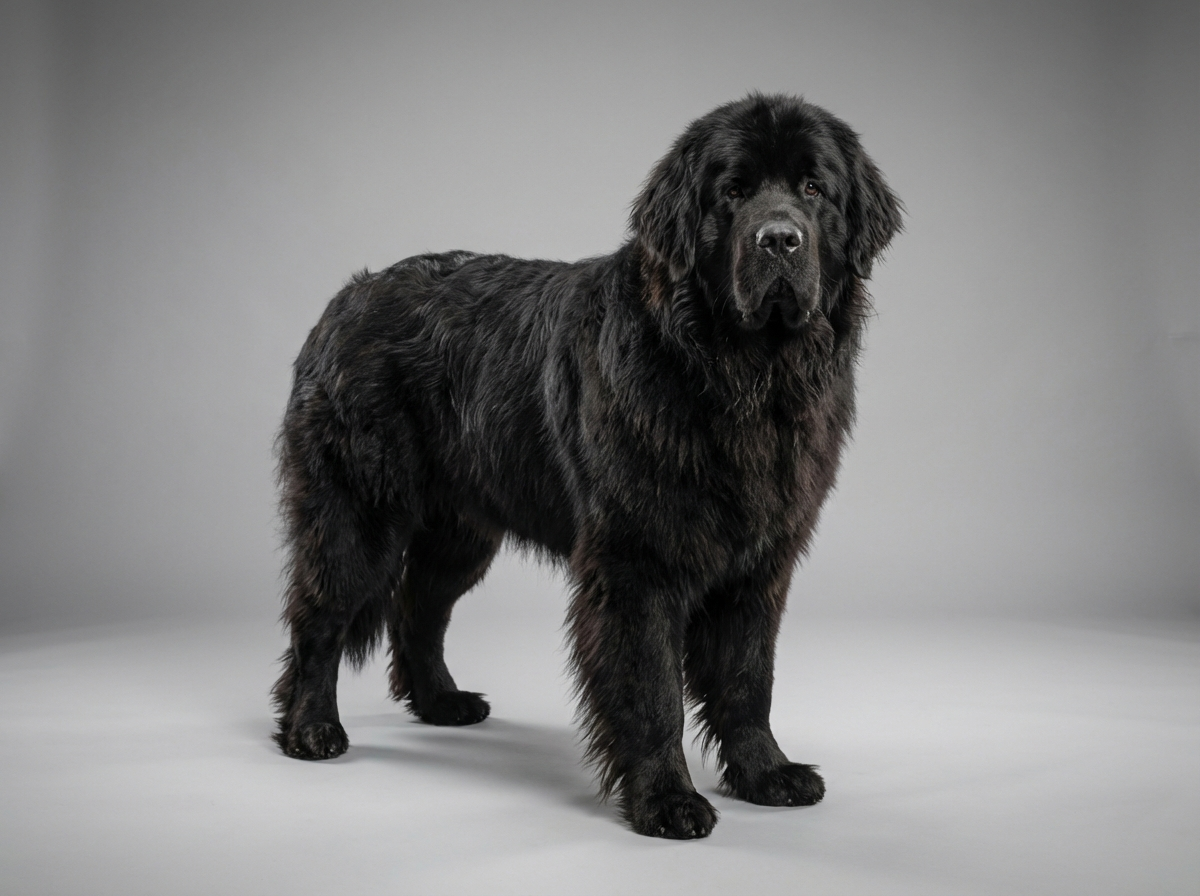
Health
What is the most common serious dental injury in this breed?
A slab fracture of the large upper shearing tooth, usually caused by chewing bones, antlers, hooves or very hard nylon products. It often exposes the pulp and becomes infected.

Quick answer
What is the most common serious dental injury in this breed?
A slab fracture of the large upper shearing tooth, usually caused by chewing bones, antlers, hooves or very hard nylon products. It often exposes the pulp and becomes infected.
The most common serious dental injury in a big powerful dog is a slab fracture of an upper carnassial, and it happens on things owners buy specifically as treats.
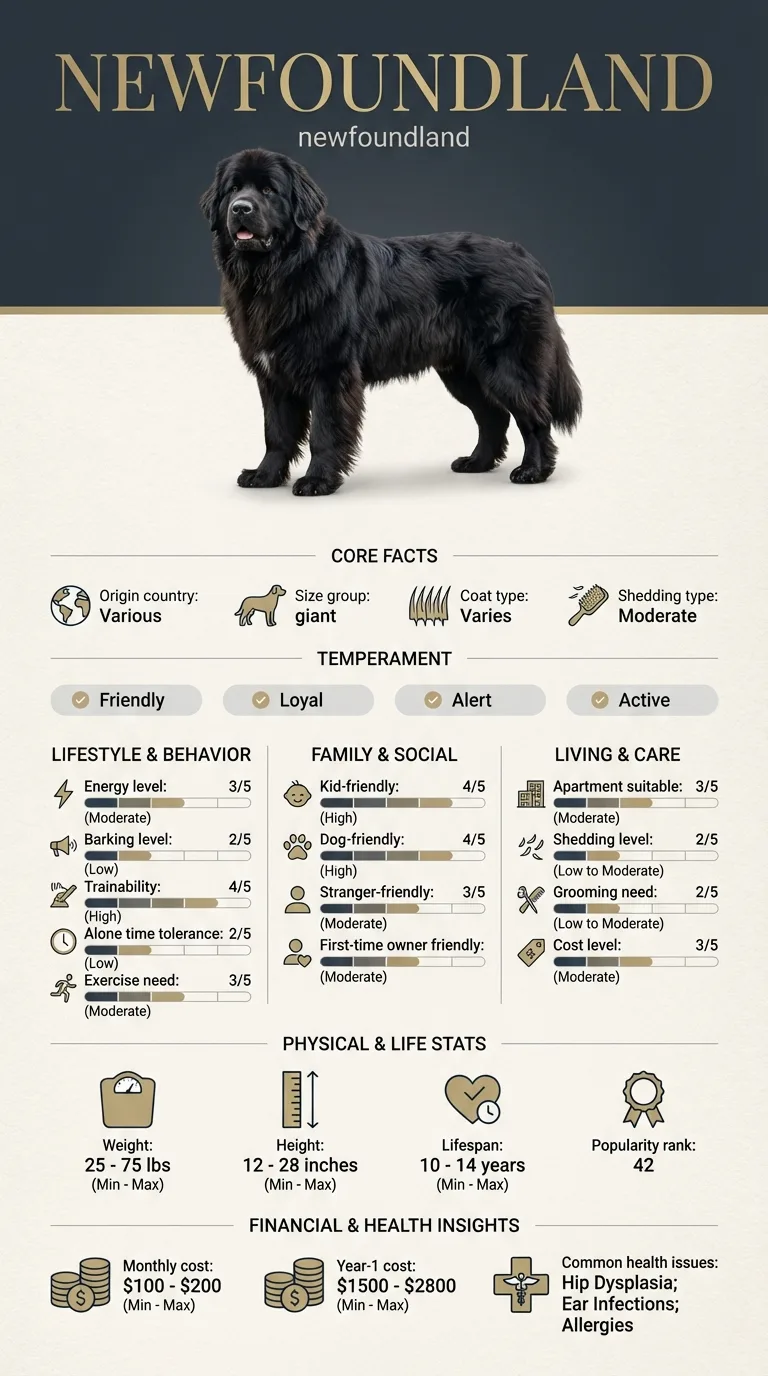
For owners who have been told their Newfoundland needs a dental, for anyone choosing chews for a giant breed, and for owners who have noticed their dog chewing on one side or dropping food.
This guide is not medical advice. If your dog shows pain, sudden behavior change, or worsening symptoms, consult a licensed veterinarian.
Some links may be affiliate links. We may earn a commission at no extra cost to you. We only suggest products we believe are helpful for dog owners.
Dental problems in a Newfoundland fall into two groups. The first is the periodontal disease that affects all dogs, in which plaque and tartar drive gum inflammation and eventual loss of the bone supporting the teeth. The second is fracture, which is a specifically large-breed problem caused by powerful jaws meeting objects that are too hard. Both are made worse by a mouth that is genuinely difficult to inspect and a temperament that gives almost no pain signal.
Periodontal disease is extremely common across all dogs and is frequently cited as one of the most prevalent conditions seen in veterinary practice. Tooth fracture is a particular feature of large, powerful breeds. Neither appears on the Newfoundland's short list of documented health issues, which covers hips, heart, urinary stones and bloat, but that list reflects breed-specific inherited risks rather than the everyday problems any large dog will encounter.
Three breed characteristics combine. A giant dog of 100 to 150 pounds has a jaw capable of generating force that will fracture enamel and dentine on a genuinely hard object, which is the mechanical origin of slab fractures. Heavy pendulous flews cover the back of the mouth, so the region where disease and fracture actually occur is hidden during casual inspection, and the breed's constant baseline drooling masks the increased salivation that would otherwise flag a sore mouth. And the temperament, sweet, patient and calm, means a Newfoundland will chew on the other side for months rather than object. Two documented cardiac conditions then make owners hesitant about the anaesthetic that dental treatment requires, which delays care further.
Almost everything here is a purchasing decision. Chews chosen for durability rather than safety are the leading cause of fractured teeth in powerful dogs, and the products most likely to break a tooth are often those marketed as long-lasting. Households that never establish a brushing habit allow plaque to mineralise undisturbed. Gardens with loose stone and dogs given free access to firewood or ice cubes add opportunistic hazards. And practices that see a giant breed once a year with a quick look at the front teeth simply have fewer opportunities to catch a fracture at the back.
Book an appointment for any broken tooth, any persistently foul mouth odour, red or bleeding gums, a swelling on the face, or a change in how your dog eats. Do not use appetite as your guide, because dogs eat through significant dental pain. Seek same-day care for facial swelling that is spreading, for a discharging sinus below the eye, for a dog who is pawing at the mouth, drooling heavily and unable to settle, which can indicate a foreign body wedged across the palate or between teeth, for bleeding from the mouth, or for a dog who has suddenly stopped eating entirely. In this breed also treat sudden heavy drooling with restlessness and unproductive retching as a possible bloat emergency rather than a dental one.
See all Newfoundland health problems, which breeds are prone to dental issues, or the full Newfoundland breed guide for temperament, exercise needs and ownership costs.
A brushing habit takes three to six weeks to establish properly in an adult dog if built with rewards rather than restraint, and it prevents future disease rather than reversing existing tartar. A professional dental with radiographs and any necessary extractions is a single anaesthetic with a soft-food recovery period of one to two weeks. Gum inflammation improves within weeks of proper treatment and home care; bone already lost around a tooth root does not regrow. Fractured teeth do not heal and require definitive treatment.
Success is a mouth that gets looked at every month, chews that cannot break teeth, a daily brushing routine the dog tolerates calmly, and dental procedures that happen on schedule rather than being deferred out of anaesthetic anxiety. It also means catching a fracture within weeks rather than discovering it a year later as an abscess draining below the eye, which is by far the most common way these injuries are eventually found in this breed.
The upper fourth premolar, the carnassial, is the large shearing tooth toward the back of the upper jaw. It is the tooth a dog uses to crack and cut, and it is the one that most often fails in powerful breeds. The typical injury is a slab fracture, where a vertical plate of the outer surface splits away, frequently exposing the pulp inside.
The objects responsible are usually things marketed as dog chews: weight-bearing bones, antlers, hard nylon products, hooves, and rocks or ice that dogs chew opportunistically. The rule of thumb many veterinary dentists offer is simple. If you cannot press a fingernail into the surface and leave a mark, or if you would not want it dropped on your kneecap, it is hard enough to break a tooth.
A Newfoundland compounds the problem twice over. First, the jaw is powerful enough to generate the force required. Second, and more insidiously, the mouth is genuinely difficult to inspect: heavy flews hang over the back teeth, the dog drools continuously so a bit of extra saliva means nothing, and a sweet, patient, stoic dog will keep eating with a fractured tooth for months without complaint.
An exposed pulp is an open route into the tooth root and the jaw. It is painful, it becomes infected, and the infection can track into the bone or drain out through the skin below the eye. Dogs do not stop eating; they chew on the other side, and owners notice nothing.

Most owners lift the front lip, see clean canines, and conclude the mouth is fine. Almost all significant disease in this breed sits further back, under the flews.
Ruben was five and had been given a split antler at Christmas, which his owners, Tom and Aideen, thought was the responsible choice because it lasted for months rather than being demolished in an evening. The following October Aideen noticed a small firm swelling under Ruben's left eye. She assumed it was a sting, and it went down over a week. In December it came back and this time it opened and discharged. At the practice the vet lifted his upper lip right back and found what had been there, unnoticed, for close to a year: a slab of the outer surface of the large upper shearing tooth had broken away, exposing the pulp. The infection had tracked up the root and out through the skin. Ruben had the tooth extracted under general anaesthetic, after a cardiac check that his practice runs routinely for giant breeds. He recovered uneventfully and ate soft food for ten days. Aideen went back through her photographs afterwards and found pictures from the spring in which he was visibly turning his head to chew on the right. Nobody had thought anything of it. The antlers went in the bin, and Ruben now has his mouth checked on the first of every month while he lies on the kitchen floor for a scratch.
Key takeaway: Powerful jaws break teeth on hard chews, and this breed will not tell you. Check the back of the upper jaw monthly, treat facial swelling below the eye as dental until proven otherwise, and choose chews you can dent with a fingernail.
Hard weight-bearing bones, antlers, hooves and very hard nylon chews are a common cause of tooth fracture in powerful breeds, and a Newfoundland's jaw is more than capable of breaking a tooth on them. Ask your vet which chews they consider appropriate for a giant breed. The fingernail test, whether you can dent the surface, is a reasonable rough guide.
Because meaningful dental work involves probing below the gum line, taking dental radiographs and cleaning the tooth surfaces properly, none of which can be done on a conscious dog. Anaesthesia-free cleaning removes visible tartar without addressing the disease under the gum, which is where the actual problem lives.
It requires more planning. Two of the five health issues most associated with the Newfoundland are cardiac, subaortic stenosis and dilated cardiomyopathy, and both can be silent. Before a routine dental, it is entirely reasonable to ask that the heart has been listened to carefully and, if a murmur exists, properly investigated first.
Almost certainly yes, if the pulp is exposed. Dogs continue eating through considerable dental pain, so appetite is not a useful measure. An exposed pulp is a direct route for infection into the root and jaw. Your vet will advise whether extraction or root canal treatment is appropriate.
Yes, and daily brushing remains the most effective home measure available. The obstacle in a Newfoundland is not the size of the mouth but the training, since a 130-pound dog who objects cannot be overpowered. Start slowly, use a product formulated for dogs, and build the habit over weeks rather than forcing it in a day.
More than for a medium dog, because anaesthetic drugs and monitoring time scale with body mass, dental radiographs of a large jaw take longer, and extraction of large-rooted teeth is a bigger surgical job. Ask for an estimate that includes radiographs and the possibility of extractions being found on the day.
A slab fracture of the large upper shearing tooth, usually caused by chewing bones, antlers, hooves or very hard nylon products. It often exposes the pulp and becomes infected.
Lift the upper lip right back to the corner of the mouth and look at the outer face of the big tooth toward the back. Front teeth tell you almost nothing.
A swelling or a discharging spot on the skin just below the eye. It is often mistaken for a wound or an insect bite and is a same-week veterinary matter.
Yes, daily if you can, using a dog-formulated product. The barrier is training rather than anatomy, so build the habit gradually while your dog is comfortable.
Ask about your dog's heart. Cardiac disease is documented in this breed and can be silent, and pre-anaesthetic bloodwork run several days early avoids decisions being rushed on the morning.
A one-page prep sheet for this condition: the signs, the questions to ask, what to get priced. Unlocks here.
You get: Vet visit prep sheet
No spam. One-click unsubscribe. See our privacy policy.
Preview page 1 before you decide.