Behavior
What are quick tips for managing German Wirehaired Pointer pregnancy complications?
Monitor her closely for any unusual symptoms and ensure regular vet visits. A balanced diet and a calm environment can also help reduce risks.

Quick answer
What are quick tips for managing German Wirehaired Pointer pregnancy complications?
Monitor her closely for any unusual symptoms and ensure regular vet visits. A balanced diet and a calm environment can also help reduce risks.
German Wirehaired Pointer pregnancy complications can be serious and require immediate attention.
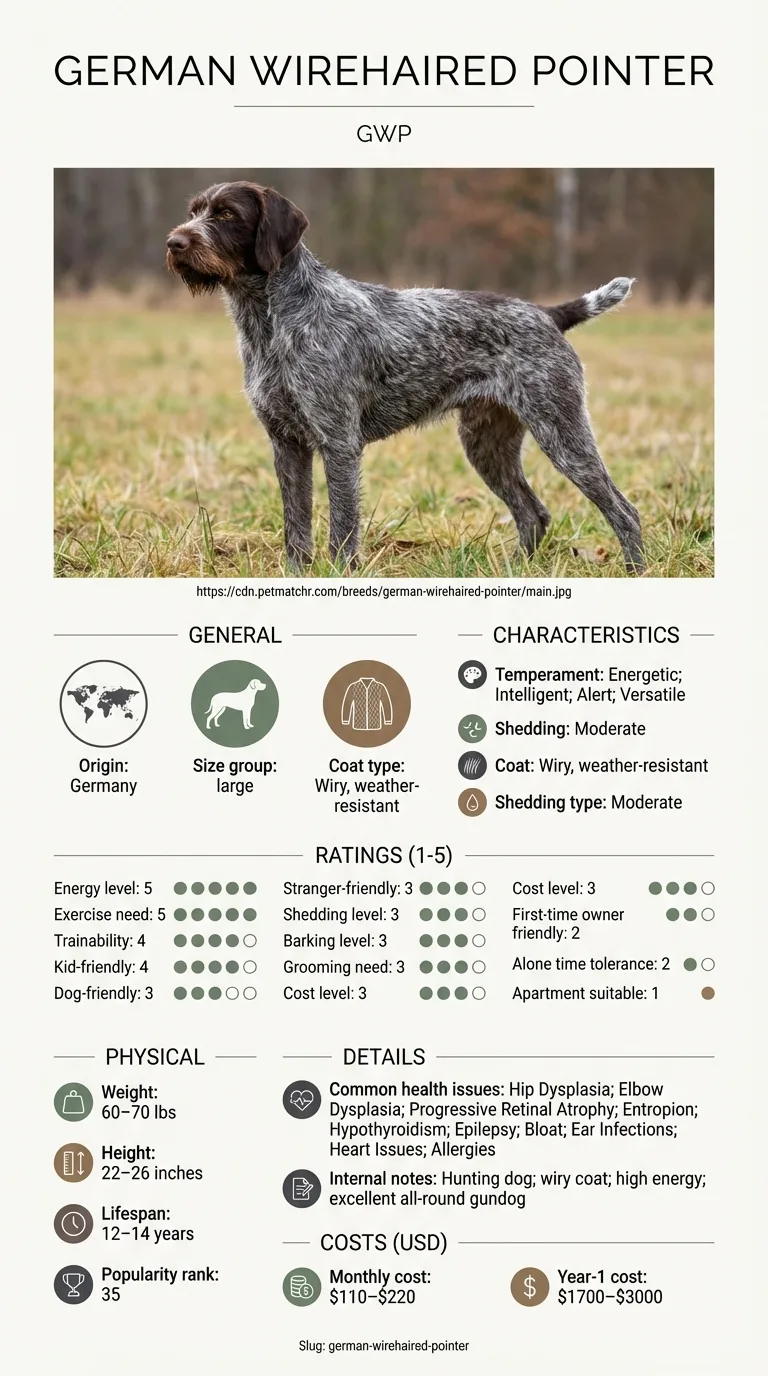
Typically, owners of German Wirehaired Pointers may find themselves navigating these challenges, especially if they are first-time breeders or are unaware of potential risks. This can be particularly stressful for busy families or individuals who might not have extensive experience with dog pregnancies.
This guide is not medical advice. If your dog shows pain, sudden behavior change, or worsening symptoms, consult a licensed veterinarian.
Some links may be affiliate links. We may earn a commission at no extra cost to you. We only suggest products we believe are helpful for dog owners.
We research and check what we publish, but we do not warrant that any figure, date, price, or statement is accurate, complete, or current, and we accept no liability for any loss, cost, injury, or other harm arising from the use of this site. Use it as one reference among several. You remain responsible for your own decisions and for your dog's care - confirm anything that matters with a licensed veterinarian or another qualified professional before you act on it. Full disclaimer.
Check this first
Recognizing when pregnancy complications in your German Wirehaired Pointer are an emergency is crucial for her health and safety. If you notice any of the following red-flag signs, contact your vet immediately: heavy bleeding, excessive vomiting, lethargy, or signs of pain. Additionally, if she shows any difficulty breathing or a noticeable lack of movement, these could indicate serious issues that require prompt attention.
On the other hand, some mild symptoms can be observed and monitored. For example, light discharge or slight discomfort may not be cause for alarm but should still be reported to your vet. Keeping a close watch on her eating habits and energy levels can help determine if a trip to the vet is needed. It's always better to err on the side of caution, so don't hesitate to reach out if you're unsure.
Creating a plan for monitoring her condition can be beneficial. Track her behavior, appetite, and any changes in her body. If complications arise, you'll have this information ready to share with your vet. Remember, while some signs may not seem urgent, it's important to stay vigilant and proactive about your dog's health.
If any of these apply, call your vet or an emergency clinic now. The rest of this page is for the cases that are not an emergency.
German Wirehaired Pointer pregnancy complications can be a worrying issue for owners. These complications may manifest as difficulties during gestation or birthing, leading to stress for both the mother and her puppies. It's crucial to recognize these problems early to ensure the health of the mother and her litter.
Pregnancy complications in German Wirehaired Pointers are not uncommon. They can occur in about 20% of pregnancies, often influenced by the factors mentioned above. Awareness and proactive care can help reduce these risks significantly.
German Wirehaired Pointers (GWPs) are known for their high energy and intelligent nature. These traits can lead to stress during pregnancy if the dog isn't properly managed. Additionally, specific genetic predispositions in the breed can increase the risk of complications during pregnancy.
The environment plays a crucial role in the health of a pregnant GWP. High stress levels, inadequate nutrition, or exposure to toxins can lead to pregnancy complications. A lack of proper veterinary care or a chaotic home environment can also exacerbate these issues.
Consult your vet immediately if your GWP shows signs of severe distress, such as excessive panting, vomiting, or reluctance to eat. It's also important to seek veterinary advice for any unusual physical symptoms or if you suspect any complications.
Here are some common mistakes owners make that can worsen German Wirehaired Pointer pregnancy complications, along with safer alternatives.
Start here: German Wirehaired Pointer Most Common Genetic Disorders: Guide
See all German Wirehaired Pointer health problems, which breeds are prone to pregnancy complications, or the full German Wirehaired Pointer breed guide for temperament, exercise needs and ownership costs.
You may notice improvements within 2 to 4 weeks of consistent care and follow-up with your vet.
A successful outcome means your German Wirehaired Pointer has fewer complications during pregnancy, stays calm, and follows guidance during vet visits.
Sarah, a first-time dog owner, faced challenges when her German Wirehaired Pointer, Bella, experienced pregnancy complications. Initially, Bella seemed anxious and restless, which heightened Sarah's worries. After consulting with her vet and implementing a structured training regimen focused on calming techniques, Sarah created a safe space for Bella. Within a month, Bella became more relaxed and responsive to commands, leading to a smoother pregnancy and delivery.
Key takeaway: With patience, training, and professional guidance, you can significantly reduce pregnancy complications for your German Wirehaired Pointer.
Common causes of pregnancy complications in German Wirehaired Pointers can include genetic factors, inadequate prenatal care, or underlying health issues. It's essential to monitor your dog closely and consult with a veterinarian if you notice unusual symptoms.
To prevent pregnancy complications, ensure your German Wirehaired Pointer receives regular veterinary check-ups during her pregnancy. A balanced diet, appropriate exercise, and a stress-free environment are also crucial for her well-being.
If you suspect complications, contact your veterinarian immediately. They may recommend an examination or ultrasound to assess her condition and provide guidance on necessary interventions.
Signs of complications can include excessive vomiting, lethargy, loss of appetite, or unusual discharge. If you notice any of these symptoms, it's vital to seek veterinary assistance right away.
Yes, training can help manage your German Wirehaired Pointer's behavior during pregnancy. Focus on gentle commands and positive reinforcement to create a calm environment that supports her needs.
Ignoring pregnancy complications can lead to severe health risks for both the mother and her puppies. Early intervention is essential to prevent long-term health issues or even loss of the puppies.
Signs of pregnancy complications in your German Wirehaired Pointer can include excessive vomiting, lethargy, or any unusual behavior. If you notice these symptoms, it's crucial to consult your vet immediately to ensure the health of both the mother and the puppies.
Yes, stress can lead to pregnancy complications in German Wirehaired Pointers. It's important to create a calm and comfortable environment for your dog during her pregnancy to minimize anxiety and promote a healthy gestation.
Older German Wirehaired Pointers may face a higher risk of pregnancy complications. If your dog is over six years old and pregnant, it's essential to monitor her closely and have regular check-ups with your vet to catch any issues early.
If you suspect your German Wirehaired Pointer is experiencing pregnancy complications, contact your veterinarian as soon as possible. Early intervention can make a significant difference in the outcome for both your dog and her puppies.
To prepare your German Wirehaired Pointer for a healthy pregnancy, provide her with a balanced diet and ensure she has regular vet check-ups. Keeping her stress levels low and providing a comfortable space for her to nest can also help prevent complications.
Monitor her closely for any unusual symptoms and ensure regular vet visits. A balanced diet and a calm environment can also help reduce risks.
Expect to spend between $1,700 and $3,000 in the first year, including prenatal care. Monthly costs can range from $110 to $220.
Provide her with a comfortable space, nutritious food, and gentle exercise. Regular vet check-ups are also crucial.
A one-page prep sheet for this condition: the signs, the questions to ask, what to get priced. Unlocks here.
You get: Vet visit prep sheet
No spam. One-click unsubscribe. See our privacy policy.
Preview page 1 before you decide.