DogBreedCompass
← Back to breed profile

German Wirehaired Pointer Liver Shunts: What You Need to Know

Liver shunts can be a serious issue for German Wirehaired Pointers. They affect blood flow and can lead to significant health challenges. (German Wirehaired Pointer liver shunts)

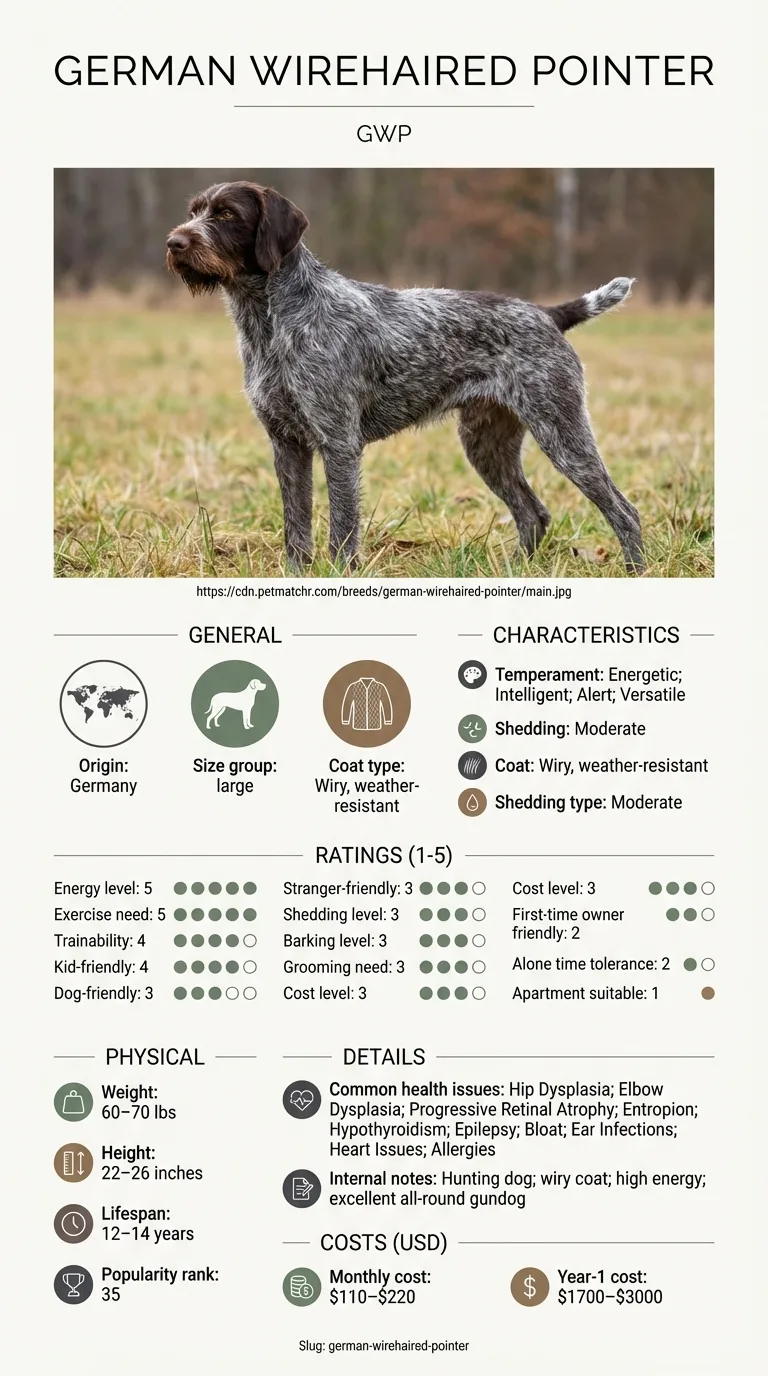
German Wirehaired Pointer Liver Shunts: What You Need to Know infographic

Owners of German Wirehaired Pointers may struggle with this condition, especially if they are first-time dog owners or not familiar with canine health issues. It's crucial for these owners to recognize the symptoms early and seek veterinary guidance.

Important reminder

This guide is not medical advice. If your dog shows pain, sudden behavior change, or worsening symptoms, consult a licensed veterinarian.

Some links may be affiliate links. We may earn a commission at no extra cost to you. We only suggest products we believe are helpful for dog owners.

What this problem looks like

German Wirehaired Pointer liver shunts can be a serious health issue. These shunts are portal vein abnormalities that affect blood flow to the liver. This can lead to various health problems, including stunted growth, poor appetite, and lethargy, making day-to-day life challenging for both the dog and the owner.

Common triggers

  • Genetic predisposition in some German Wirehaired Pointers
  • Environmental factors such as diet and toxins
  • Age-related changes in younger dogs

While liver shunts are not the most common issue among German Wirehaired Pointers, they do occur, particularly in certain lines of the breed. Owners should be aware of this potential issue and monitor their dogs for any signs of distress.

Why this happens

Breed factors

German Wirehaired Pointers may have a genetic predisposition to liver shunts. These are often due to abnormalities in the portal vein, which can lead to blood bypassing the liver and not being properly filtered. This breed's hunting background can lead to certain health issues, including liver problems.

Environment factors

Environmental factors such as diet, exposure to toxins, and overall care can contribute to liver health. Feeding a high-quality, balanced diet is crucial for preventing liver issues. Additionally, minimizing exposure to harmful substances in their environment helps maintain their liver health.

What you can try

At-home strategies

  • Provide a balanced diet with high-quality dog food that is low in copper. Consult your vet for dietary recommendations.
  • Monitor your dog's water intake and ensure they stay hydrated. Dehydration can worsen liver issues.
  • Regular exercise is essential. Aim for daily walks and playtime to keep your German Wirehaired Pointer healthy.

When to consider a trainer

If your dog shows signs of anxiety or behavior problems due to their condition, consider hiring a professional trainer. A trainer can help manage stress and teach your dog coping strategies.

When to talk to your vet

If you notice symptoms like vomiting, lethargy, or changes in appetite, contact your vet immediately. Persistent issues could signal a serious liver condition that requires medical attention.

Realistic expectations

Resolving issues related to German Wirehaired Pointer liver shunts can take several months of consistent care, training, and veterinary support.

Success means your dog shows improved health, increased energy levels, and reduced symptoms. Regular vet check-ups and monitoring will ensure their condition is managed effectively.

Mistakes that make this worse

It’s easy to unintentionally reinforce behaviors that can worsen German Wirehaired Pointer liver shunts. Here are some common mistakes to avoid, along with safer alternatives.

  • Ignoring Symptoms: Failing to recognize and address symptoms of liver shunts can lead to worsening conditions. Always keep an eye on your dog's behavior and seek vet advice if something seems off.
  • Delaying Vet Visits: Putting off trips to the vet can exacerbate health issues. If you suspect liver shunts, prompt veterinary consultation is crucial to manage your dog's health.
  • Overfeeding: Feeding high-fat diets or too many treats can strain your dog's liver. Stick to a balanced diet recommended by your vet to support liver health.
  • Neglecting Hydration: Not ensuring your dog drinks enough water can worsen liver issues. Always provide fresh water to keep your German Wirehaired Pointer hydrated.
  • Skipping Regular Check-ups: Regular vet visits are essential for monitoring liver function. Schedule check-ups so your vet can catch potential problems early.
  • Ignoring Behavioral Changes: If your dog shows changes in energy or behavior, it might be linked to their liver health. Address these changes immediately with your vet.
  • Self-Diagnosing: Relying on online resources instead of consulting a vet can lead to incorrect treatment. Always seek professional guidance for health concerns.

When German Wirehaired Pointer Liver Shunts Are an Emergency

Recognizing when German Wirehaired Pointer liver shunts become an emergency is crucial for your dog's health. Serious signs include lethargy, vomiting, seizures, or difficulty walking. If your dog exhibits any of these red flags, call your vet immediately for guidance and possible intervention.

German Wirehaired Pointer Liver Shunts: What You Need to Know - When German Wirehaired Pointer Liver Shunts Are an Emergency

When to Watch and Wait

In less severe cases, you might notice mild symptoms such as slight lethargy or occasional digestive upset. These can often be monitored with a careful plan, including a balanced diet and regular vet check-ups. However, always keep a close eye on your dog and be ready to act if symptoms worsen.

German Wirehaired Pointer Liver Shunts: What You Need to Know - When to Watch and Wait

A Journey to Health: Max's Story

When Sarah adopted Max, her German Wirehaired Pointer, she quickly noticed something was off. Max was lethargic and had digestive issues. After a vet visit, she learned he had liver shunts. Determined to help him, Sarah followed a strict diet and medication plan, while also incorporating regular exercise. Over the next few months, Max's energy levels improved, and his symptoms lessened. Sarah found that consistent communication with her vet and staying informed about his condition made a huge difference.

Key takeaway: Managing German Wirehaired Pointer liver shunts requires dedication, a proper care plan, and the support of a veterinarian.

Frequently asked questions

Why does my German Wirehaired Pointer have liver shunts?

German Wirehaired Pointer liver shunts can be congenital, meaning they are present at birth due to abnormal development of the portal vein. They can also arise from other health issues that affect liver function. If you notice signs like lethargy or poor growth, consult a vet for a proper diagnosis.

How to stop German Wirehaired Pointer liver shunts?

Stopping liver shunts in German Wirehaired Pointers often requires surgical intervention. Your vet can help determine if surgery is an option based on the severity of the shunt. Post-surgery, a special diet and regular vet check-ups are essential.

What are the symptoms of liver shunts in German Wirehaired Pointers?

Symptoms of liver shunts can include vomiting, poor appetite, and behavioral changes like confusion or lethargy. Some dogs may also show signs of stunted growth or weight loss. If you notice these symptoms, it's crucial to see a veterinarian.

Can liver shunts be managed without surgery in German Wirehaired Pointers?

In some cases, liver shunts can be managed with dietary changes and medications to support liver function. However, this is usually less effective than surgery. Always consult with your vet for a tailored plan based on your dog’s specific needs.

What is the long-term outlook for German Wirehaired Pointers with liver shunts?

The long-term outlook for German Wirehaired Pointers with liver shunts largely depends on early diagnosis and treatment. Dogs that undergo successful surgery can lead a normal life, but ongoing monitoring is essential. Regular vet visits will help catch any complications early.

What are the signs that my German Wirehaired Pointer might have liver shunts?

Common signs of liver shunts in German Wirehaired Pointers include stunted growth, vomiting, and seizures. If you notice any unusual behavior, like lethargy or frequent urination, it's important to consult your vet.

Are liver shunts hereditary in German Wirehaired Pointers?

Yes, liver shunts can be hereditary in German Wirehaired Pointers. Responsible breeding practices can help minimize the risk, so it’s essential to choose a breeder who screens for this condition.

Can liver shunts develop in older German Wirehaired Pointers?

While liver shunts are typically congenital, older dogs can develop acquired shunts due to liver disease or other health issues. Regular vet check-ups can help catch these problems early.

How can I support my German Wirehaired Pointer with liver shunts?

Supporting a German Wirehaired Pointer with liver shunts involves a special diet that limits protein intake and regular veterinary visits. Your vet may also recommend medications to manage symptoms.

What is the long-term outlook for a German Wirehaired Pointer with liver shunts?

The long-term outlook for a German Wirehaired Pointer with liver shunts can vary. Surgical intervention can improve quality of life, but ongoing management and regular vet care are crucial for health maintenance.

Quick answers

View more answers
Behavior

What are quick tips for managing German Wirehaired Pointer liver shunts?

Monitor your dog's symptoms closely and maintain regular vet check-ups. A special diet may be recommended to support liver health. Keep an eye on any behavioral changes, as they can indicate issues.

Health

What should I feed a German Wirehaired Pointer with liver shunts?

A veterinarian may recommend a low-protein, high-quality diet that is easy to digest. This helps reduce the workload on the liver while providing essential nutrients.

Living

How can I help my German Wirehaired Pointer feel better with liver shunts?

Ensure they have a calm environment and limit stress. Regular, moderate exercise can also help maintain their health without overexerting them.

Related DogBreedCompass guides

  • German Wirehaired Pointer behavior problemsLearn about common health issues that may affect your German Wirehaired Pointer, including liver shunts.
  • German Wirehaired Pointer liver shunts trainingUnderstand how to manage your German Wirehaired Pointer's training needs, especially if dealing with health issues.
  • German Wirehaired Pointer separation anxiety guideExplore the emotional needs of German Wirehaired Pointers to help with anxiety related to health issues.
  • German Wirehaired Pointer cost breakdownFind out what to expect in terms of costs associated with caring for a German Wirehaired Pointer with liver shunts.
  • How to stop German Wirehaired Pointer liver shuntsGet tips on how to stop German Wirehaired Pointer liver shunts and other health issues.

Related guides