Health
What are quick tips for managing ARVC in my German Wirehaired Pointer?
Regular vet check-ups, a balanced diet, and moderate exercise are key. Monitor your dog's energy levels and avoid overexertion.

Quick answer
What are quick tips for managing ARVC in my German Wirehaired Pointer?
Regular vet check-ups, a balanced diet, and moderate exercise are key. Monitor your dog's energy levels and avoid overexertion.
Arrhythmogenic Right Ventricular Cardiomyopathy (ARVC) is a serious heart condition that affects German Wirehaired Pointers. (German Wirehaired Pointer arrhythmogenic right ventricular cardiomyopathy (arvc))
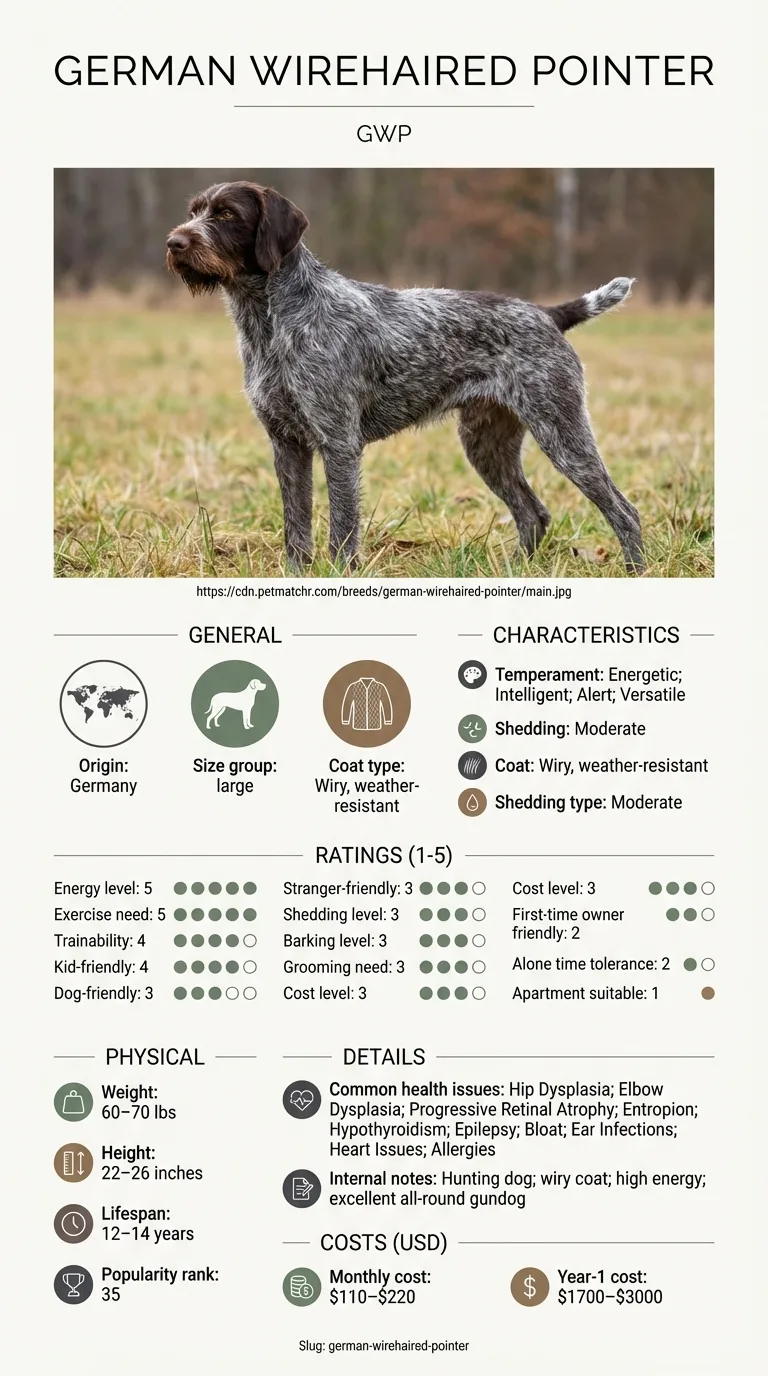
Typically, dog owners with German Wirehaired Pointers may struggle with ARVC. This condition can be particularly concerning for those who may not recognize the early warning signs or know how to address them.
This guide is not medical advice. If your dog shows pain, sudden behavior change, or worsening symptoms, consult a licensed veterinarian.
Some links may be affiliate links. We may earn a commission at no extra cost to you. We only suggest products we believe are helpful for dog owners.
We research and check what we publish, but we do not warrant that any figure, date, price, or statement is accurate, complete, or current, and we accept no liability for any loss, cost, injury, or other harm arising from the use of this site. Use it as one reference among several. You remain responsible for your own decisions and for your dog's care - confirm anything that matters with a licensed veterinarian or another qualified professional before you act on it. Full disclaimer.
Check this first
Understanding when German Wirehaired Pointer arrhythmogenic right ventricular cardiomyopathy (ARVC) becomes an emergency is crucial. If your dog shows any of these red-flag signs, you should call your vet immediately. Signs include fainting or collapse, severe lethargy, difficulty breathing, or a sudden change in behavior. These indicate that the heart isn't functioning properly and may need urgent attention.
On the other hand, if your German Wirehaired Pointer is experiencing mild symptoms, you can monitor them closely. Symptoms like occasional coughing, mild fatigue, or slight changes in appetite can often be watched at home with a plan. Keep a journal of these symptoms and any changes in behavior to share with your vet at your next appointment.
Be proactive in managing your dog's health, especially with ARVC. Regular vet check-ups and monitoring can help catch issues early. Always trust your instincts; if something feels off, it's better to err on the side of caution.
If any of these apply, call your vet or an emergency clinic now. The rest of this page is for the cases that are not an emergency.
German Wirehaired Pointer arrhythmogenic right ventricular cardiomyopathy (ARVC) is a heart rhythm disorder that can lead to serious health issues. Day-to-day, this problem may not show any obvious signs until a severe episode occurs. Owners may notice symptoms like lethargy, fainting, or unusual behavior when their dog is stressed or excited.
ARVC is relatively common in German Wirehaired Pointers, particularly as they age. While not every dog will develop this issue, it is important for owners to be aware of the symptoms and triggers.
The German Wirehaired Pointer (GWP) can be prone to arrhythmogenic right ventricular cardiomyopathy (ARVC) due to genetic factors. This breed is known for its high energy and athleticism, which may put additional stress on their hearts. As a result, their heart muscles can weaken over time, leading to this condition.
Environmental factors, such as poor diet and lack of exercise, can also contribute to heart issues in GWPs. If a dog does not receive proper nutrition or sufficient physical activity, their overall health can decline, making them more susceptible to heart-related problems. Stressful environments may worsen these conditions.
Consult your vet if you notice any symptoms of ARVC or if your dog has a history of heart problems. Regular check-ups are vital for monitoring their heart health, especially as they age.
Understanding what not to do can help improve your German Wirehaired Pointer's arrhythmogenic right ventricular cardiomyopathy (ARVC) situation. Here are some common mistakes owners make and safer alternatives to consider.
Start here: German Wirehaired Pointer Most Common Genetic Disorders: Guide
See all German Wirehaired Pointer health problems, which breeds are prone to arrhythmogenic right ventricular cardiomyopathy arvc, or the full German Wirehaired Pointer breed guide for temperament, exercise needs and ownership costs.
Managing German Wirehaired Pointer arrhythmogenic right ventricular cardiomyopathy (ARVC) may take several weeks to months. Consistent vet visits and tailored care routine will be necessary.
Success looks like your dog maintaining a stable heart rhythm, showing improved energy during play, and responding well to training techniques aimed at reducing anxiety.
Jake, a busy veterinarian in Denver, noticed that his German Wirehaired Pointer, Max, was more lethargic than usual. After consulting a vet, he learned that Max had ARVC. Jake felt overwhelmed but decided to take action. He scheduled regular vet check-ups and started a low-impact exercise routine for Max. Gradually, Max regained some energy. Jake also worked on training Max to reduce his anxiety during vet visits, using positive reinforcement techniques. Over time, Max became more relaxed and responsive.
Key takeaway: With a consistent plan and support, managing ARVC in your German Wirehaired Pointer can lead to a happier, healthier dog.
Arrhythmogenic right ventricular cardiomyopathy (ARVC) is often genetic in German Wirehaired Pointers. It causes heart rhythm problems that can lead to serious health issues. Regular veterinary check-ups and screenings are crucial to catch this condition early.
Symptoms of ARVC can include irregular heartbeats, lethargy, fainting, and difficulty exercising. If you notice these signs, it's important to consult with a veterinarian right away. Early detection can significantly improve management options.
Managing ARVC involves regular veterinary care and possibly medication to help regulate the heart's rhythm. Maintaining a healthy diet and moderate exercise can also support overall heart health. Always follow your vet's recommendations for your dog's specific needs.
Training can be beneficial for a German Wirehaired Pointer with ARVC, but it should be adjusted to their energy levels and health condition. Focus on gentle, positive reinforcement methods and avoid overly strenuous activities. Always consult your vet for a suitable training plan.
Consider reducing high-energy activities and avoiding extreme temperatures. Create a calm environment to minimize stress, which can affect heart health. Consult your vet for personalized recommendations based on your dog's condition.
A balanced diet rich in omega-3 fatty acids may support heart health. Consult your veterinarian for dietary recommendations that suit your dog's unique needs. Proper nutrition can be an important part of managing ARVC.
If your German Wirehaired Pointer faints, remain calm and immediately contact your veterinarian. Fainting can indicate serious health issues, especially in dogs with ARVC. Quick action can make a difference in your dog's health outcome.
German Wirehaired Pointer arrhythmogenic right ventricular cardiomyopathy (ARVC) is often linked to genetic factors. It's a heart condition that affects the heart's rhythm and can lead to serious health issues. If your dog shows any symptoms, it's important to consult a vet.
To support a German Wirehaired Pointer with ARVC, regular veterinary check-ups are crucial. Following a tailored exercise plan and a heart-healthy diet can also help manage their condition. Always discuss any changes with your vet to ensure their safety.
Yes, older German Wirehaired Pointers may have a higher risk of developing arrhythmogenic right ventricular cardiomyopathy (ARVC). Regular health screenings become increasingly important as they age. Early detection can help manage the condition effectively.
Signs of arrhythmogenic right ventricular cardiomyopathy (ARVC) in German Wirehaired Pointers can include lethargy, fainting, or irregular heartbeats. If you notice any of these symptoms, it's crucial to see a vet promptly. Early intervention can make a significant difference.
Regular vet check-ups, a balanced diet, and moderate exercise are key. Monitor your dog's energy levels and avoid overexertion.
Focus on short, positive training sessions to avoid stress. Use calm commands and encourage gentle play.
Schedule a vet appointment for a heart screening if you notice symptoms like lethargy or fainting. Early diagnosis is crucial.
Yes, a diet rich in omega-3s can support heart health. Always consult your vet for tailored dietary advice.
Costs can vary based on veterinary visits and medications, generally ranging from $110 to $220 monthly. Be prepared for potential emergency care.
A one-page prep sheet for this condition: the signs, the questions to ask, what to get priced. Unlocks here.
You get: Vet visit prep sheet
No spam. One-click unsubscribe. See our privacy policy.
Preview page 1 before you decide.