Health
What are quick tips for German Wirehaired Pointer most common genetic disorders?
Choose a responsible breeder, schedule regular vet check-ups, and maintain a healthy diet to reduce risk.

Quick answer
What are quick tips for German Wirehaired Pointer most common genetic disorders?
Choose a responsible breeder, schedule regular vet check-ups, and maintain a healthy diet to reduce risk.
German Wirehaired Pointers can face several genetic disorders that may impact their health and happiness. Understanding these issues is crucial for responsible ownership.
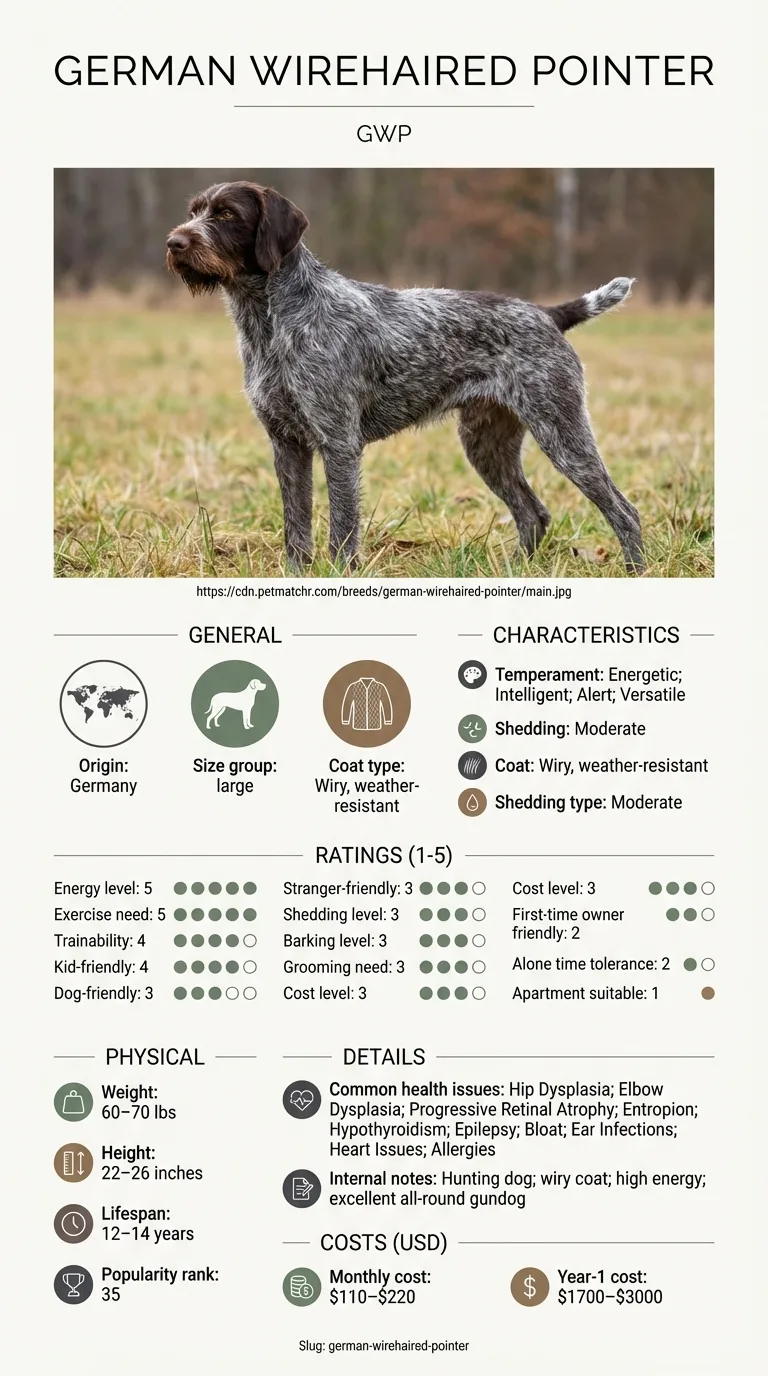
Owners of German Wirehaired Pointers, especially first-time dog parents or those unfamiliar with the breed's specific health challenges, often struggle to manage these genetic disorders. Recognizing signs early and knowing how to approach training and care can make a significant difference.
This guide is not medical advice. If your dog shows pain, sudden behavior change, or worsening symptoms, consult a licensed veterinarian.
Some links may be affiliate links. We may earn a commission at no extra cost to you. We only suggest products we believe are helpful for dog owners.
We research and check what we publish, but we do not warrant that any figure, date, price, or statement is accurate, complete, or current, and we accept no liability for any loss, cost, injury, or other harm arising from the use of this site. Use it as one reference among several. You remain responsible for your own decisions and for your dog's care - confirm anything that matters with a licensed veterinarian or another qualified professional before you act on it. Full disclaimer.
Check this first
Knowing when to call your vet for your German Wirehaired Pointer's genetic disorders is crucial. If your dog displays severe symptoms, like difficulty breathing, sudden lethargy, or collapse, it's time to seek immediate help. Other red flags include uncontrolled bleeding, signs of severe pain, or sudden changes in behavior. These symptoms can indicate serious conditions like dilated cardiomyopathy or bloat.
On the other hand, if your dog has mild symptoms such as occasional limping or slight changes in appetite, you can monitor the situation at home. Keep track of their behavior and any changes over a few days. If symptoms persist or worsen, schedule a vet visit. Regular check-ups can help catch potential issues early, especially for breeds prone to specific genetic disorders like elbow dysplasia or hypothyroidism.
Always err on the side of caution. If you're unsure, it's better to consult your veterinarian. They can provide guidance tailored to your dog’s health and needs.
If any of these apply, call your vet or an emergency clinic now. The rest of this page is for the cases that are not an emergency.
German Wirehaired Pointers (GWPs) are energetic and intelligent dogs, but they can be prone to several genetic disorders. Common issues include hip dysplasia, elbow dysplasia, and progressive retinal atrophy. Daily life with a GWP affected by these disorders can involve managing pain, limited mobility, or vision problems, impacting their quality of life and your routine.
Unfortunately, German Wirehaired Pointers are relatively common for certain genetic disorders. Many owners report dealing with these issues, especially as their dogs age. Being aware of these potential problems can help you take preventative measures and seek early treatment.
German Wirehaired Pointers (GWPs) have a genetic predisposition to several health issues. Common genetic disorders include hip and elbow dysplasia, progressive retinal atrophy, and hypothyroidism. These conditions often arise from selective breeding practices aimed at enhancing desirable traits for hunting.
Environmental factors can also contribute to the development of genetic disorders in GWPs. Poor diet, lack of exercise, and inadequate veterinary care may exacerbate existing genetic conditions. Additionally, stress from an unsuitable living environment can impact a GWP's overall health.
If your German Wirehaired Pointer shows symptoms of genetic disorders, such as limping, difficulty seeing, or unusual weight gain, consult your vet immediately. They can provide a proper diagnosis and treatment options tailored to your dog's needs.
Avoiding common pitfalls can help improve your German Wirehaired Pointer's health and behavior. Here are some mistakes to watch out for.
See all German Wirehaired Pointer health problems, which breeds are prone to most common genetic disorders, or the full German Wirehaired Pointer breed guide for temperament, exercise needs and ownership costs.
You can expect to see improvements in your German Wirehaired Pointer's health within 6 to 12 months with consistent care and follow-up with your vet.
Success means your dog shows fewer symptoms of genetic disorders, has a better quality of life, and engages in regular exercise without discomfort.
Emma, a first-time dog owner, adopted Max, a German Wirehaired Pointer, and quickly noticed that he was limping and seemed to tire easily during walks. After consulting her vet, she learned that Max was prone to hip dysplasia, a common genetic disorder in his breed. With a new routine that included low-impact exercises, weight management, and joint supplements, she monitored Max's progress closely. Within 8 months, Max was running happily alongside Emma, and their bond strengthened through their shared activities.
Key takeaway: With the right approach and veterinary guidance, managing genetic disorders in German Wirehaired Pointers is achievable, leading to a healthier, happier dog.
German Wirehaired Pointers can be prone to several genetic disorders, including hip dysplasia, elbow dysplasia, and progressive retinal atrophy. Regular vet check-ups and screenings can help detect these issues early.
Genetic disorders often stem from inherited traits in purebred dogs. Factors like breeding practices and a lack of genetic diversity can increase the risk of these disorders in your German Wirehaired Pointer.
To minimize the risk of genetic disorders, choose a reputable breeder who screens for health issues. Regular veterinary care and maintaining a healthy lifestyle can also help your dog thrive.
If you notice symptoms like limping, vision problems, or unusual behavior, consult your vet immediately. Early diagnosis can lead to better management of the condition.
While you can't completely eliminate genetic disorders, you can take preventive measures. Focus on responsible breeding, regular health screenings, and a balanced diet to support their overall health.
Training can improve your dog's behavior and manage some issues related to genetic disorders. However, it won’t cure the disorders themselves, so veterinary guidance is crucial.
Managing genetic disorders can vary in cost, with initial vet visits ranging from $100 to $300. Ongoing treatments could add up to $110 to $220 monthly, depending on the disorder.
If you suspect your German Wirehaired Pointer has genetic disorders, consult your vet as soon as possible. Early detection can lead to better management and treatment options. Look for symptoms like limping, weight loss, or changes in behavior.
Yes, genetic testing is available for several disorders common in German Wirehaired Pointers. This can help you understand your dog's health risks. Talk to your vet about which tests might be appropriate for your pup.
Managing genetic disorders often involves a combination of proper diet, regular exercise, and medication if needed. Regular vet check-ups are essential for monitoring your dog's health. Consider incorporating joint supplements and a balanced diet to support overall well-being.
Yes, genetic disorders can impact the lifespan of your German Wirehaired Pointer. Conditions like hip dysplasia and heart issues can lead to more serious health problems over time. Regular veterinary care can help to catch and treat issues early, potentially extending your dog's life.
Older German Wirehaired Pointers may show signs like decreased activity, difficulty getting up, or weight changes. Look for unusual behaviors like excessive barking or changes in appetite. If you notice these symptoms, consult your vet for a thorough evaluation.
Choose a responsible breeder, schedule regular vet check-ups, and maintain a healthy diet to reduce risk.
Look for signs such as limping, lethargy, or changes in appetite, and consult your vet if you notice anything unusual.
Include regular vet visits, a balanced diet, and appropriate exercise to help manage any potential genetic disorders.
Yes, they can also face issues like allergies, bloat, and ear infections, so ongoing care is essential.
Focus on positive reinforcement training to help manage behavior and anxiety related to any health issues, but consult your vet for specific guidance.
A one-page prep sheet for this condition: the signs, the questions to ask, what to get priced. Unlocks here.
You get: Vet visit prep sheet
No spam. One-click unsubscribe. See our privacy policy.
Preview page 1 before you decide.