Health
What is X-SCID?
A rare genetic condition preventing normal immune cell development, leaving affected puppies without a functioning immune system.

Quick answer
What is X-SCID?
A rare genetic condition preventing normal immune cell development, leaving affected puppies without a functioning immune system.
This is rare, but when it occurs, it tends to show up as a puppy that seems to catch one infection after another with unusual severity, failing to thrive despite what looks like normal care.
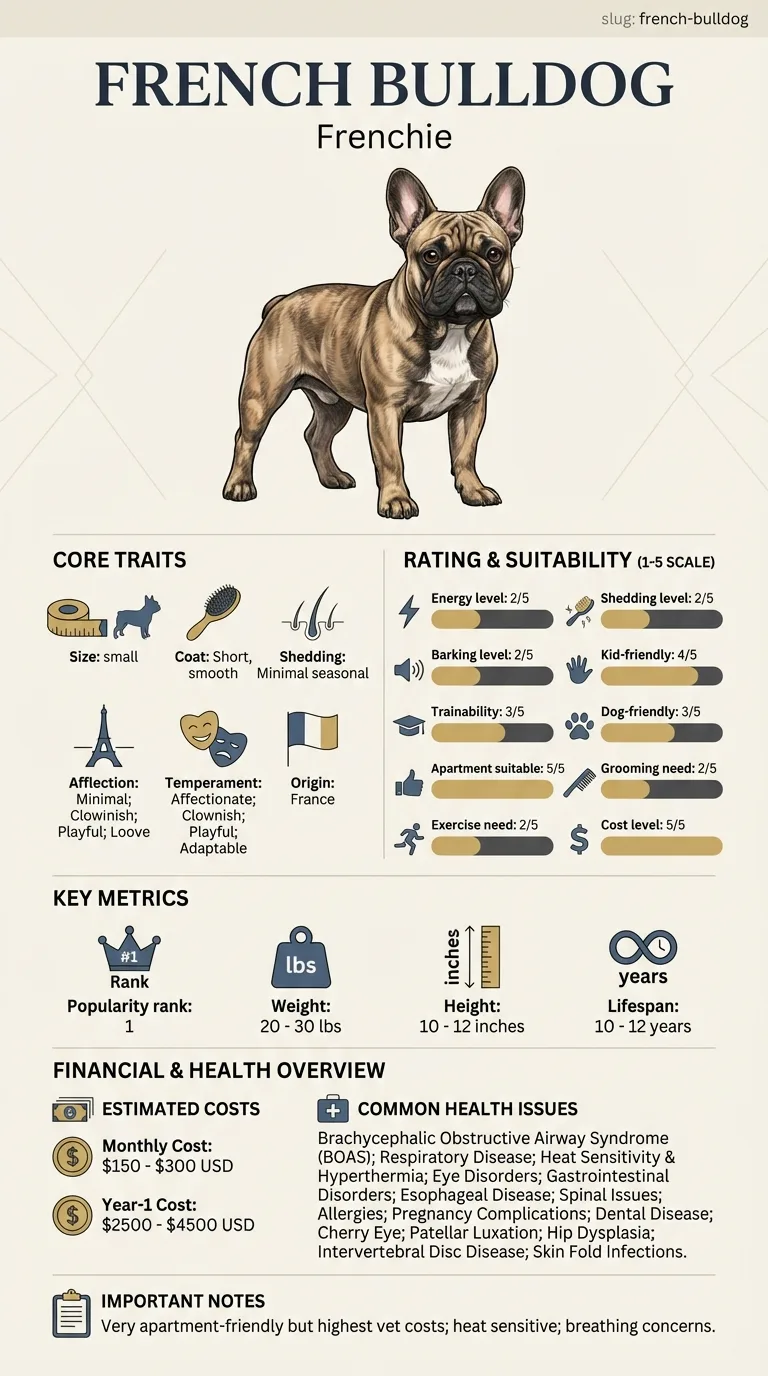
This is primarily relevant to breeders working with lines where the condition has been documented, and to owners of a puppy showing an unusual pattern of repeated, severe infections that doesn't respond as expected to standard treatment.
This guide is not medical advice. If your dog shows pain, sudden behavior change, or worsening symptoms, consult a licensed veterinarian.
Some links may be affiliate links. We may earn a commission at no extra cost to you. We only suggest products we believe are helpful for dog owners.
We research and check what we publish, but we do not warrant that any figure, date, price, or statement is accurate, complete, or current, and we accept no liability for any loss, cost, injury, or other harm arising from the use of this site. Use it as one reference among several. You remain responsible for your own decisions and for your dog's care - confirm anything that matters with a licensed veterinarian or another qualified professional before you act on it. Full disclaimer.
X-linked severe combined immunodeficiency (X-SCID) is a rare, extremely serious genetic condition preventing the normal development of key immune cells, leaving affected puppies essentially without a functioning immune system. It's an X-linked trait, meaning it primarily affects male puppies clinically while females can be unaffected carriers, and it's generally considered fatal without highly specialized intervention, making genetic testing in relevant breeding lines the primary preventive tool.
X-SCID is rare in French Bulldogs, documented in specific lines rather than representing a widespread breed-wide concern, though its severity when it does occur makes it a significant consideration for breeders working with affected or carrier lines.
This condition results from a specific X-linked genetic mutation documented within certain French Bulldog breeding lines, affecting the normal development of immune cells necessary for fighting infection, distinct from the breed's more commonly discussed structural, airway, or skin-related conditions.
There is no environmental trigger for this genetic condition; its presence and severity are determined entirely by inherited genetics rather than anything in a puppy's environment, diet, or care, which is why prevention centers entirely on genetic testing and informed breeding decisions.
Seek veterinary care immediately for a puppy showing recurrent, unusually severe infections or failure to thrive, and discuss genetic testing with your vet if you're breeding within a line where this condition has been documented.
Because X-SCID is both rare and severe, the mistakes that matter most relate to breeding awareness and recognizing an unusual infection pattern early.
See all French Bulldog health problems, which breeds are prone to x scid, or the full French Bulldog breed guide for temperament, exercise needs and ownership costs.
Affected puppies typically show signs of illness within the first weeks to months of life, given the severity of the underlying immune deficiency. Genetic testing for carrier status, when pursued, typically returns results within a few weeks.
Success in this context means effective prevention through genetic testing and informed breeding decisions in relevant lines, since this condition's severity makes prevention, rather than treatment after diagnosis, the primary meaningful goal.
X-SCID results from a genetic mutation on the X chromosome that prevents the normal development of key immune cells, leaving affected puppies without the ability to mount an effective immune response against infections that a healthy puppy's immune system would handle without issue.
Because the mutation is X-linked, it primarily affects male puppies clinically, while female dogs can be carriers without being affected themselves, a pattern that has direct implications for how breeders test and manage lines where the condition has appeared.
Affected puppies typically show signs of illness — recurrent or unusually severe infections, failure to grow normally — within the first weeks to months of life, and given the severity of the underlying immune deficiency, the condition is generally considered fatal without extremely specialized intervention, which underscores why genetic testing in relevant breeding lines is such an important preventive tool rather than an optional extra.

If you think your Frenchie has x-scid, the plan is three steps: write down what you have seen and when it started, book a veterinary appointment rather than waiting for the next flare, and take video of the behaviour or symptom before you go — the thing you are worried about rarely happens in the consulting room. Screening in the parents covers brachycephalic obstructive airway syndrome (boas), respiratory disease, heat sensitivity & hyperthermia.
What the vet visit should produce is a diagnosis and a written plan, not just reassurance: what is being ruled out, what the monitoring interval is, and which signs mean you come back sooner. Ask what the treatment costs across a year rather than per visit, because that is the number that decides whether you are managing this condition or reacting to it.
Between appointments, keep a short log — dates, what you saw, what changed. It is the single most useful thing an owner brings to a follow-up, and for x-scid it is often what separates a clear pattern from a guess.
A breeder working with a line where X-SCID had been documented in a previous generation made carrier testing a non-negotiable step before any future breeding involving female descendants of that line. One of her breeding females tested positive as a carrier. Rather than breeding her to a male that could result in affected male puppies, the breeder made an informed decision about which pairings to avoid entirely, preventing the devastating outcome that had occurred in the earlier generation from repeating.
Key takeaway: Because this condition is so severe, genetic testing in a known-affected line isn't just useful information — it's the single most effective tool available for preventing a heartbreaking outcome before it happens.
X-linked severe combined immunodeficiency, a rare genetic condition preventing normal development of key immune cells, leaving affected puppies essentially without a functioning immune system.
Affected puppies typically develop recurrent, unusually severe infections from a young age and often fail to grow and thrive normally, since their immune system cannot effectively fight off pathogens a healthy puppy would easily handle.
No, it's rare, documented in specific lines rather than being a widespread breed-wide concern, though it's serious enough that awareness matters for breeders working with affected or carrier lines.
Because the causative mutation is located on the X chromosome, male puppies (with only one X chromosome) are clinically affected if they inherit the mutation, while female dogs with two X chromosomes can be unaffected carriers.
Given the severity of the underlying immune deficiency, this condition is generally considered fatal without highly specialized intervention, making genetic testing and informed breeding decisions the primary tools for prevention rather than treatment after diagnosis.
Testing is primarily relevant for breeding dogs, particularly females from lines where the condition has been documented, since identifying carrier status helps prevent producing affected puppies.
Seek veterinary care immediately for a puppy showing recurrent, severe, or unusual infections and failure to thrive, and discuss genetic testing with your vet to understand the underlying cause and any implications for the breeding line.
A rare genetic condition preventing normal immune cell development, leaving affected puppies without a functioning immune system.
No, it's rare and documented in specific lines rather than being widespread.
It's X-linked, so male puppies with one X chromosome are clinically affected while females can be unaffected carriers.
It's generally considered fatal without highly specialized intervention, making prevention through testing critical.
Primarily breeding females from lines where the condition has been documented.
A one-page prep sheet for this condition: the signs, the questions to ask, what to get priced. Unlocks here.
You get: Vet visit prep sheet
No spam. One-click unsubscribe. See our privacy policy.
Preview page 1 before you decide.