Health
What quick tips can help with French Bulldog autoimmune diseases?
Regular vet check-ups, a balanced diet, and a stress-free environment are key to managing French Bulldog autoimmune diseases.

Quick answer
What quick tips can help with French Bulldog autoimmune diseases?
Regular vet check-ups, a balanced diet, and a stress-free environment are key to managing French Bulldog autoimmune diseases.
French Bulldog autoimmune diseases can lead to serious health issues like skin conditions and hair loss. Understanding these diseases is crucial for your furry friend's well-being.
Typical owners facing these challenges include first-time French Bulldog parents who may not be aware of the breed's specific health concerns and those who have busy lifestyles but want to ensure their pet's health remains a priority.
This guide is not medical advice. If your dog shows pain, sudden behavior change, or worsening symptoms, consult a licensed veterinarian.
Some links may be affiliate links. We may earn a commission at no extra cost to you. We only suggest products we believe are helpful for dog owners.
We research and check what we publish, but we do not warrant that any figure, date, price, or statement is accurate, complete, or current, and we accept no liability for any loss, cost, injury, or other harm arising from the use of this site. Use it as one reference among several. You remain responsible for your own decisions and for your dog's care - confirm anything that matters with a licensed veterinarian or another qualified professional before you act on it. Full disclaimer.
Check this first
It's crucial for French Bulldog owners to recognize when autoimmune diseases require immediate veterinary attention versus when they can be monitored at home. Autoimmune diseases can lead to serious health issues, and acting quickly can make all the difference.
Emergency Signs: If you notice any of the following symptoms in your Frenchie, it's essential to contact your vet immediately: - Severe Skin Infections: If your dog has open sores that are red, swollen, or oozing pus, this could indicate a serious infection. - Persistent Vomiting or Diarrhea: If your French Bulldog is vomiting or having diarrhea for more than 24 hours, especially if it’s accompanied by blood, seek help right away. - Rapid Weight Loss: Sudden weight loss can be a sign of serious underlying issues that need to be addressed.
- Lethargy or Weakness: If your dog shows extreme fatigue or difficulty standing or walking, it could be time for a vet visit. - Difficulty Breathing: French Bulldogs are already prone to respiratory issues, so any signs of difficulty breathing should be taken seriously.
Monitor at Home: In less severe cases of autoimmune diseases, you might opt to keep an eye on your French Bulldog and implement a care plan: - Mild Skin Irritation: If your dog has minor skin issues that don’t seem to worsen and are not causing discomfort, monitor the situation closely. - Occasional Itching or Scratching: If the itching is mild and not causing injury, you can try soothing treatments at home, but keep a close watch. - Stable Appetite: If your Frenchie is eating well and maintaining their weight, it’s usually a good sign.
In all cases, if you have any doubts about your dog’s condition, it’s best to err on the side of caution and consult your vet. Regular check-ups and being aware of changes in behavior or health can help you manage French Bulldog autoimmune diseases effectively.
If any of these apply, call your vet or an emergency clinic now. The rest of this page is for the cases that are not an emergency.
French Bulldog autoimmune diseases can significantly affect their quality of life. These conditions often manifest as skin issues, causing sores and hair loss, which can be distressing for both the dog and its owner. Daily life may involve constant monitoring of your Frenchie's skin, managing flare-ups, and frequent visits to the vet for treatment. Owners might notice that their French Bulldog is more uncomfortable, itchy, or irritable than usual, leading to changes in behavior.
Autoimmune diseases are relatively common in French Bulldogs, with many experiencing at least one type of condition during their lifetime. These breeds are known for their unique health challenges, making regular vet check-ups essential for early detection and management.
French Bulldogs are prone to certain genetic conditions that can lead to autoimmune diseases. Their unique body structure and brachycephalic nature make them susceptible to respiratory and skin issues, which can trigger autoimmune responses.
Environmental factors such as exposure to allergens, poor diet, and stress can also contribute to autoimmune diseases in French Bulldogs. Living in a high-stress environment or not providing a balanced diet can exacerbate their health issues.
If you notice symptoms like persistent skin sores, hair loss, or unusual lethargy, it's important to consult a vet. Early intervention can prevent more serious health complications related to autoimmune diseases.
Avoiding common mistakes can help improve your French Bulldog's autoimmune diseases and overall health.
See all French Bulldog health problems, which breeds are prone to autoimmune diseases, or the full French Bulldog breed guide for temperament, exercise needs and ownership costs.
Managing French Bulldog autoimmune diseases typically takes several months of consistent care, monitoring, and adjustments to treatment plans. Owners should expect to see gradual improvements in their dog's condition within 6 to 12 weeks of implementing a proper management routine.
Success means achieving a stable state where the dog's symptoms are significantly reduced and their quality of life is improved. Ideally, the French Bulldog will have fewer flare-ups, healthier skin, and a more active lifestyle.
Jamie, a first-time dog owner, adopted Bella, a lively French Bulldog, who soon started showing signs of skin issues. After a vet visit, Jamie learned Bella had an autoimmune condition causing sores and hair loss. Overwhelmed but determined, Jamie researched how to stop French Bulldog autoimmune diseases. With vet guidance, Jamie switched Bella to a special diet, incorporated regular vet check-ups, and began daily skin care routines. Slowly but surely, Bella's skin improved, and her energy returned. Jamie found support in online communities and even created a checklist for other Frenchie owners facing similar challenges.
Key takeaway: With patience and the right approach, managing French Bulldog autoimmune diseases is possible. A solid plan and support can lead to a healthier, happier dog.
French Bulldogs are prone to autoimmune diseases due to their unique genetics and physical characteristics. Factors like environmental stressors, allergies, and underlying health issues can also contribute to these conditions. Regular vet check-ups can help monitor and manage any potential issues early. This answer relates to French Bulldog autoimmune diseases.
To manage autoimmune diseases in French Bulldogs, it's important to maintain a balanced diet, provide regular exercise, and minimize stressful situations. Frequent vet visits for check-ups and tailored treatment plans can also help keep your Frenchie healthy and comfortable.
Signs of autoimmune diseases in French Bulldogs can include skin lesions, hair loss, and persistent itching. You may also notice changes in their energy levels or appetite. If you see these symptoms, it's best to consult a vet for proper diagnosis and treatment.
While training doesn't directly influence autoimmune diseases, it can help reduce stress and anxiety in your French Bulldog. Positive reinforcement techniques can create a calming environment, which may positively impact their overall health. Always consult with a trainer experienced in handling Frenchies.
Yes, diet plays a crucial role in managing autoimmune diseases. Feeding a high-quality, hypoallergenic diet may help reduce flare-ups and support overall health. It's best to discuss dietary needs with your vet to find the right food for your Frenchie.
Treatments may include medications like corticosteroids, immunosuppressants, or topical treatments for skin issues. Your vet can recommend the best course of action based on your dog's specific condition and needs.
Unfortunately, autoimmune diseases are usually chronic conditions, and many dogs do not outgrow them. However, with proper management, including diet and medication, a French Bulldog can lead a happy life. Regular vet check-ups are essential to monitor their health.
To help a French Bulldog with autoimmune diseases, maintain a healthy diet tailored to their needs, minimize stress, and provide regular vet care. Consider consulting a veterinary dermatologist who can recommend specific treatments or lifestyle adjustments that can improve their condition.
Yes, older French Bulldogs may be more prone to certain autoimmune diseases due to their aging immune systems. As dogs age, they can develop conditions like lupus or other systemic issues. Regular health screenings become increasingly important as they get older.
Regular vet check-ups, a balanced diet, and a stress-free environment are key to managing French Bulldog autoimmune diseases.
Create a calm space, establish a consistent routine, and engage in gentle play to help reduce stress for your French Bulldog.
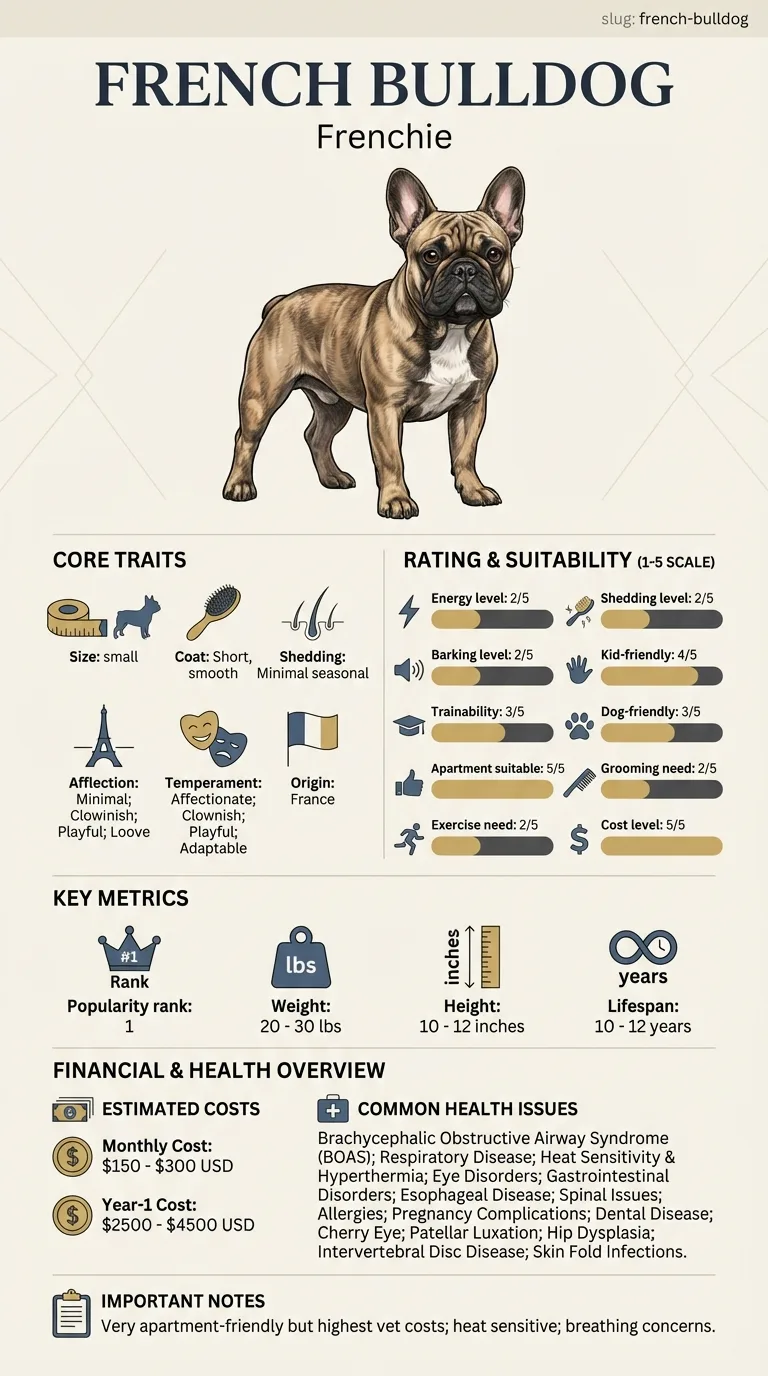
Treatment costs can vary widely, but expect to spend $150 to $300 monthly on vet visits and medications.
Watch for signs like excessive scratching, withdrawal, or changes in eating habits. If you notice these signs, consult your vet.
Focus on positive reinforcement training methods that create a supportive environment for your French Bulldog.
A one-page prep sheet for this condition: the signs, the questions to ask, what to get priced. Unlocks here.
You get: Vet visit prep sheet
No spam. One-click unsubscribe. See our privacy policy.
See a sample page before you decide.
Early access list
The free prep sheet covers the same-day warning signs, a symptom log and the questions to ask. We are considering a fuller kit that adds a cost worksheet for the usual tests and treatments (US price ranges with their sources) and a plain-English guide to ways of covering the bill. It is not built yet; this list tells us whether it is worth building.
One email, no spam, unsubscribe anytime. Information only, not veterinary advice.