French Bulldog Brachycephalic Features: What You Need to Know
French Bulldogs are adorable, but their brachycephalic features can cause serious breathing problems. (French Bulldog brachycephalic features)
Many French Bulldog owners, especially first-time pet parents, may not be prepared for the challenges that come with these brachycephalic features. Busy families or individuals living in warm climates often find themselves needing to learn how to manage their dog's special needs.
Important reminder
This guide is not medical advice. If your dog shows pain, sudden behavior change, or worsening symptoms, consult a licensed veterinarian.
Some links may be affiliate links. We may earn a commission at no extra cost to you. We only suggest products we believe are helpful for dog owners.
What this problem looks like
French Bulldog brachycephalic features can make day-to-day life a challenge. These adorable dogs often struggle with breathing issues due to their short snouts, leading to snoring, wheezing, and difficulty during exercise. Their cute appearance comes with real concerns for their health and comfort.
Common triggers
Hot weather, which can worsen breathing problems.
Overexertion during play or walks.
Stressful situations, such as loud noises or crowded places.
Obesity, which can increase breathing difficulties.
Brachycephalic features are quite common in French Bulldogs, affecting most individuals to some degree. Many owners notice breathing issues, especially during hot weather or after vigorous activity. It's essential to monitor these signs and consult a vet for guidance.
Why this happens
Breed factors
French Bulldogs are bred with a distinct flat face, which contributes to their brachycephalic features. This unique structure can cause breathing difficulties, especially when they are stressed or overheated. Their small size and compact build also mean they are more sensitive to respiratory issues.
Environment factors
Environmental factors can exacerbate breathing problems in French Bulldogs. Hot weather, high humidity, and strenuous exercise can trigger respiratory distress. Additionally, exposure to secondhand smoke or allergens can worsen their breathing and overall health.
What you can try
At-home strategies
Keep your French Bulldog cool, especially in hot weather. Use fans or air conditioning to maintain a comfortable temperature.
Limit exercise during the hottest parts of the day. Opt for short, gentle walks in cooler temperatures.
Monitor their breathing closely. If you notice heavy panting or difficulty breathing, encourage them to rest.
Create a calm environment. Reduce stressors that might lead to anxiety and exacerbate breathing issues.
Regular vet check-ups are crucial. Make sure to keep track of any changes in their breathing or behavior.
When to consider a trainer
If your French Bulldog shows signs of anxiety or fear, a trainer experienced with brachycephalic breeds can help. Look for someone who can offer positive reinforcement techniques tailored to their needs. Training can help your dog feel more secure and less likely to panic in stressful situations.
When to talk to your vet
If your French Bulldog frequently struggles to breathe, it's essential to consult a vet. Symptoms like wheezing, coughing, or excessive panting may indicate a more serious issue. Early intervention can prevent complications and improve their quality of life.
Realistic expectations
You should expect to see improvements in your French Bulldog's breathing and overall comfort within 4 to 6 weeks of consistent training and management.
Success means your Frenchie will have fewer breathing issues during exercise and will be more comfortable in warm weather, allowing for a happier and healthier life.
Mistakes that make this worse
Many owners inadvertently reinforce their French Bulldog's brachycephalic features by making common mistakes. Here are some pitfalls to avoid and healthier alternatives to consider.
Ignoring Breathing Problems: Some owners think snoring is normal. Instead, monitor your Frenchie's breathing and consult a vet if you notice loud or labored breathing.
Overexerting During Exercise: Taking your French Bulldog on long runs can be harmful. Opt for short walks and frequent breaks, especially in hot weather.
Using Flat Collars: Flat collars can put pressure on a dog's throat. Switching to a well-fitted harness helps reduce strain on their airway during walks.
Neglecting Weight Management: Overweight dogs struggle more with breathing issues. Keep your Frenchie at a healthy weight with a balanced diet and regular vet check-ups.
Failing to Acclimate to Heat: French Bulldogs are sensitive to heat. Avoid leaving them outside for extended periods and ensure they have a cool, shaded area to rest.
Ignoring Signs of Distress: Some owners may overlook signs of distress, such as excessive panting or lethargy. Always watch for these signs and act quickly if something seems off.
Skipping Regular Vet Visits: Regular check-ups are vital for monitoring health. Schedule routine vet visits to catch any issues early and maintain your Frenchie's well-being.
When French Bulldog Brachycephalic Features Are an Emergency
It's crucial to recognize when French Bulldog brachycephalic features become a real emergency. While some breathing difficulties can be normal for this breed, certain signs indicate that immediate veterinary attention is necessary. If your Frenchie is struggling to breathe, has a blue-tinged tongue, or is excessively panting even at rest, these are red flags. Call your vet right away.
Mild cases may include slight snoring, occasional coughing, or difficulty during intense exercise. While it's important to monitor these symptoms, they usually don't require immediate action. Instead, develop a plan with your vet to manage your dog's comfort and health. Keep an eye on your Frenchie's breathing and overall behavior to ensure that it doesn't worsen.
In summary, watch for these emergency signs:
- Difficulty breathing or gasping for air
- Blue or gray tongue and lips
- Excessive panting or wheezing
If your dog shows these symptoms, don’t hesitate to contact your vet. On the other hand, if your French Bulldog exhibits mild symptoms, you can often manage them with proper care and training. Make sure to keep your vet informed about your dog's health and behavior for the best guidance.

French Bulldog Brachycephalic Features: What You Need to Know - When French Bulldog Brachycephalic Features Are an Emergency
Emily and Her Frenchie, Max
Emily, a first-time dog owner, noticed her French Bulldog, Max, struggled to breathe during walks. Concerned, she researched French Bulldog brachycephalic features and learned about training techniques to help manage his breathing. After consulting with her vet, she started a series of short, gentle walks and focused on creating a cool environment for Max. Over time, she noticed he was much more comfortable during outings and even played more with his toys at home.
Key takeaway: With patience and proper management, you can significantly improve your French Bulldog's quality of life, making every day more enjoyable for both of you.
Frequently asked questions
Why does my French Bulldog have brachycephalic features?
French Bulldogs have brachycephalic features due to their unique facial structure. This includes a short snout, which can lead to breathing difficulties. These traits are common in certain breeds, and while they contribute to their adorable appearance, they can also cause health issues. This answer relates to French Bulldog brachycephalic features.
How can I help my French Bulldog with brachycephalic features?
To assist your French Bulldog, ensure they maintain a healthy weight to reduce strain on their breathing. Regular vet check-ups are crucial for monitoring their respiratory health. Additionally, avoid strenuous exercise and high temperatures, as these can exacerbate breathing problems.
What are the common health issues related to brachycephalic features?
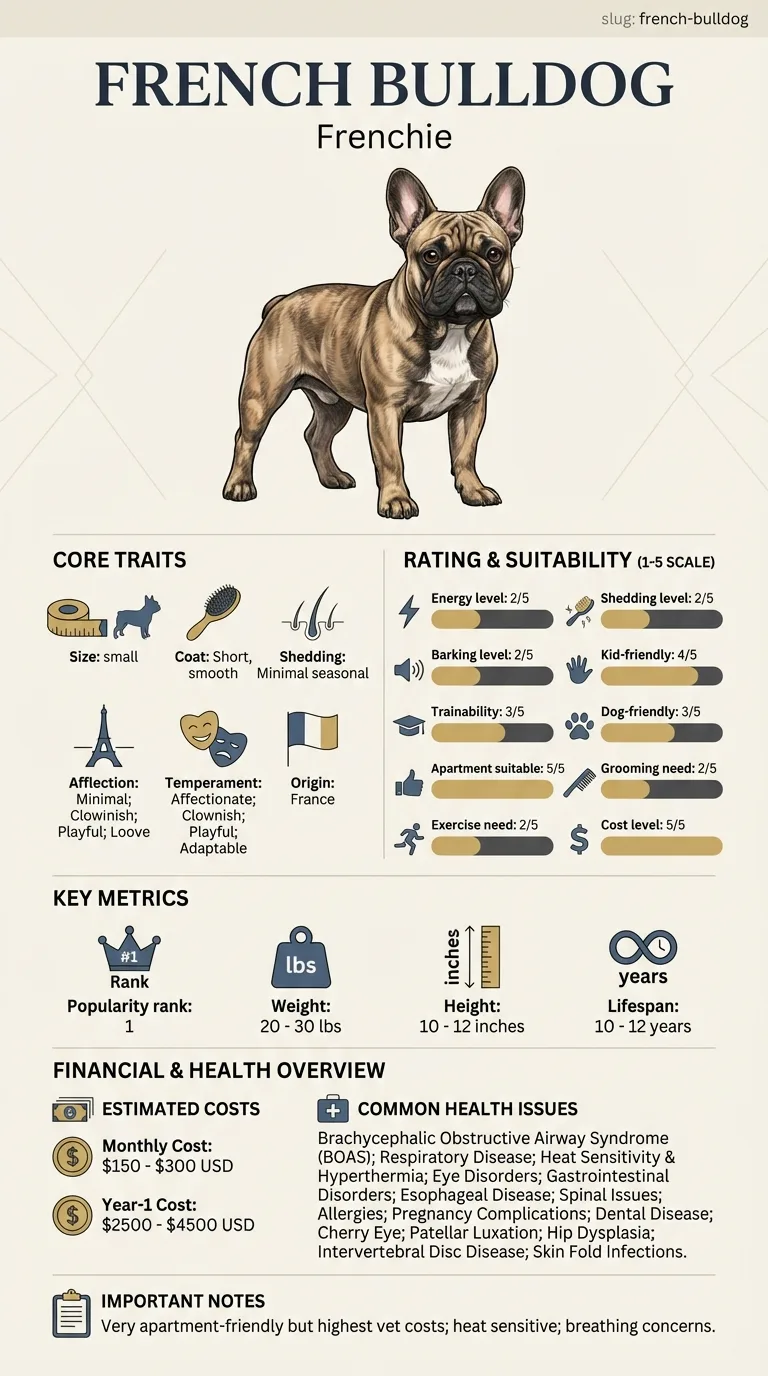
Health issues stemming from brachycephalic features include Brachycephalic Obstructive Airway Syndrome (BOAS), respiratory diseases, and heat sensitivity. These conditions can lead to serious problems if not addressed. Keeping an eye on your Frenchie's breathing and seeking veterinary advice is essential.
Can training help with my French Bulldog's breathing issues?
While training cannot change their physical structure, it can help manage their behavior and anxiety. Teaching calm behaviors and using positive reinforcement can reduce stress during potentially triggering situations. This may help lessen the impact of their brachycephalic features.
Are there specific exercises I should avoid for my French Bulldog?
Avoid high-intensity activities, especially in warm weather, as they can lead to overheating and breathing difficulties. Instead, focus on short, gentle walks and playtime in cooler areas. Always monitor their breathing during exercise.
What are the signs that my French Bulldog's brachycephalic features are causing problems?
If your French Bulldog is struggling to breathe, has a persistent cough, or shows signs of fatigue during exercise, these may be indicators of breathing issues. It’s important to monitor for excessive panting and difficulty cooling down, especially in warm weather.
Can older French Bulldogs develop more severe brachycephalic features?
Yes, as French Bulldogs age, their respiratory issues can worsen. This is particularly true if they have underlying health conditions, so regular vet check-ups are essential to manage their health effectively.
Are there specific training techniques to help with a French Bulldog's brachycephalic features?
Training for a French Bulldog with brachycephalic features should focus on calm and controlled activities. Avoiding strenuous exercise and teaching commands to encourage relaxation can alleviate stress on their respiratory system.
When should I take my French Bulldog to the vet for breathing issues?
If your French Bulldog shows significant difficulty breathing, struggles to exercise, or has a blue-tinged tongue, seek veterinary help immediately. Prompt attention can help prevent serious complications related to brachycephalic features.
Why is my French Bulldog's breathing worse in hot weather?
French Bulldogs are particularly sensitive to heat due to their brachycephalic features. Hot weather can exacerbate their breathing difficulties, so it's crucial to keep them cool and avoid strenuous activities during high temperatures.
What are quick tips for managing French Bulldog brachycephalic features?
Keep your French Bulldog cool and avoid strenuous exercise to help with breathing. Regular vet check-ups are important for monitoring health issues related to their brachycephalic features.
Health
What is Brachycephalic Obstructive Airway Syndrome (BOAS)?
BOAS is a condition common in brachycephalic breeds that causes breathing difficulties due to obstructed airways. It can lead to serious health issues, making regular vet visits crucial.
Costs
How much does it cost to care for a French Bulldog?
The monthly care cost for a French Bulldog can range from $150 to $300. This includes food, routine vet visits, and other care needs.
Related DogBreedCompass guides
French Bulldog behavior problems – Learn about the common health issues faced by French Bulldogs, especially related to their brachycephalic features.
French Bulldog separation anxiety guide – Explore how to manage separation anxiety in French Bulldogs, which can be exacerbated by their unique features.
French Bulldog cost breakdown – Understand the costs associated with owning a French Bulldog and how brachycephalic features can impact veterinary bills.