Health
Is elbow dysplasia common in French Bulldogs?
Less common than in giant breeds, but documented in the breed given its compact, heavy-boned front end.

Quick answer
Is elbow dysplasia common in French Bulldogs?
Less common than in giant breeds, but documented in the breed given its compact, heavy-boned front end.
A subtle front-leg hitch that comes and goes, especially after a nap or a long walk, is easy to write off as nothing. In a young Frenchie, it's worth a second look.

Owners of growing puppies are the ones who catch this earliest, usually noticing a front-leg limp that seems to improve with rest and worsen with activity — a pattern that's easy to dismiss as normal puppy clumsiness until it keeps recurring.
This guide is not medical advice. If your dog shows pain, sudden behavior change, or worsening symptoms, consult a licensed veterinarian.
Some links may be affiliate links. We may earn a commission at no extra cost to you. We only suggest products we believe are helpful for dog owners.
We research and check what we publish, but we do not warrant that any figure, date, price, or statement is accurate, complete, or current, and we accept no liability for any loss, cost, injury, or other harm arising from the use of this site. Use it as one reference among several. You remain responsible for your own decisions and for your dog's care - confirm anything that matters with a licensed veterinarian or another qualified professional before you act on it. Full disclaimer.
Elbow dysplasia is an umbrella term for several developmental abnormalities in the elbow joint — including fragmented or ununited cartilage and bone fragments — that cause pain, an uneven joint surface, and eventually arthritis. In French Bulldogs it's seen less often than in large fast-growing breeds, but the compact, heavily muscled front end still puts real mechanical load through a joint that may not have developed evenly.
Elbow dysplasia is documented in French Bulldogs, though at lower rates than in large working and sporting breeds where it's a major screening priority. It's still worth knowing about given the breed's build and the number of other joint and bone conditions already common in Frenchies.
A French Bulldog's front end carries a disproportionate share of body weight through short, thick limbs, which puts real stress on the elbow joints even without dramatic growth spurts. Combined with a general breed tendency toward skeletal development quirks, this creates conditions where an unevenly formed elbow surface is more likely to cause clinical problems than in a lighter-framed dog.
Rapid weight gain during puppyhood, high-impact exercise like jumping and hard play on hard surfaces during the growth window, and ongoing excess body weight in adulthood all add mechanical stress that can turn a mild structural quirk into a genuinely painful joint.
See a vet if a front-leg limp lasts more than a few days, recurs repeatedly, or is accompanied by visible swelling, reluctance to bear weight, or a change in how your dog stands — imaging is the only way to know which specific elbow lesion, if any, is present.
Because early signs are subtle and intermittent, several common responses end up doing more harm than good.
See all French Bulldog health problems, which breeds are prone to elbow dysplasia, or the full French Bulldog breed guide for temperament, exercise needs and ownership costs.
Diagnosis typically happens within the first year of life when signs appear during growth. Whether managed surgically or conservatively, most dogs need an ongoing, lifelong approach to weight and activity rather than a single fix.
Success means a comfortable, functional leg with manageable or absent lameness, even if some degree of arthritis develops over time — full joint 'normalcy' isn't always the realistic goal, but comfort and mobility are.
The right path depends on which specific elbow lesion is present, how severe it is, and the dog's age, and should be decided with a vet after imaging.
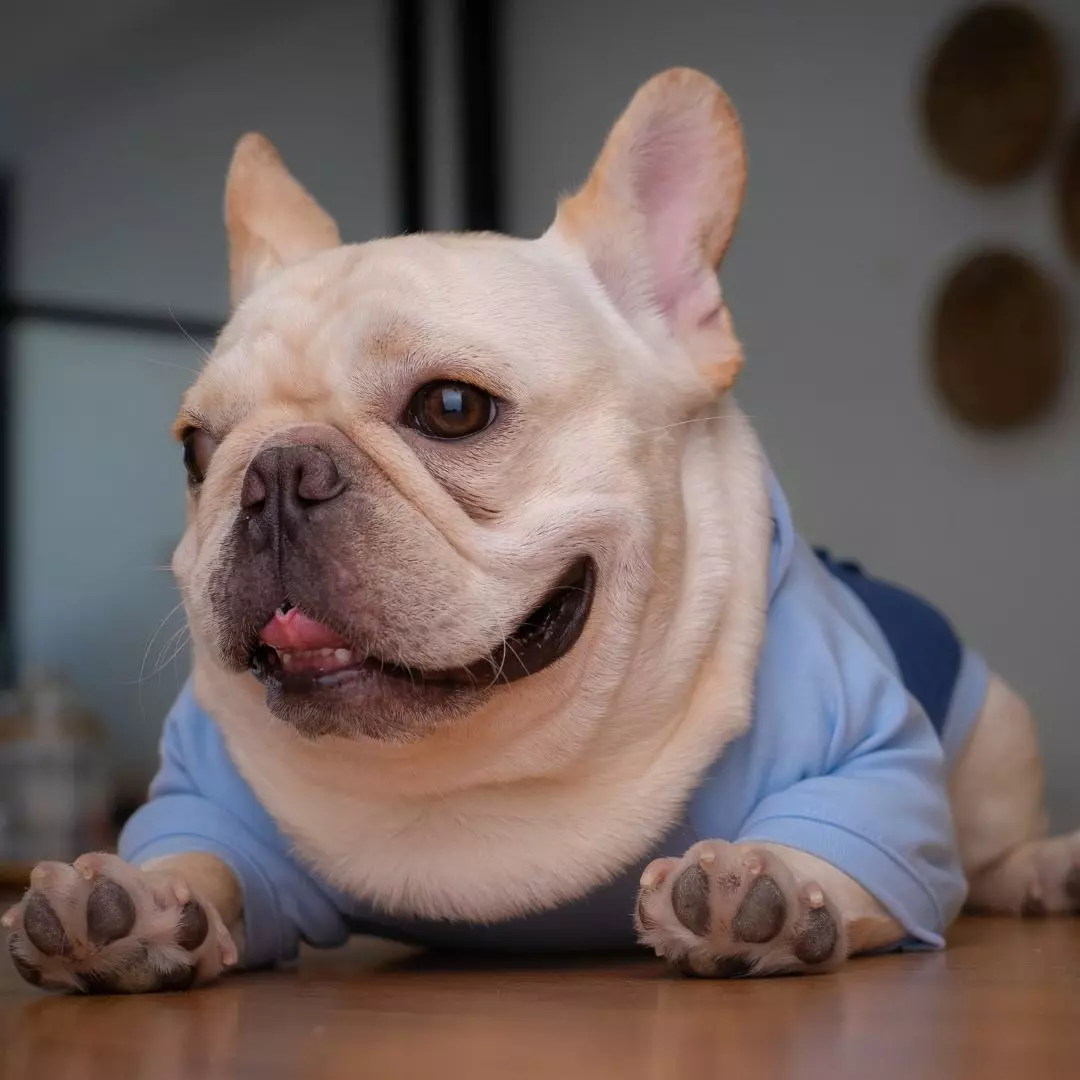
Gus, a nine-month-old Frenchie, had a front-leg limp that his family initially chalked up to rough play with the neighbor's dog. It cleared up after a few days of rest, then returned two weeks later after a hike, then again after nothing much at all. X-rays at that point showed a small fragmented bone piece in the elbow joint consistent with elbow dysplasia. Given Gus's age and the lesion's size, his vet recommended conservative management first: strict weight control, shorter and more frequent walks instead of long hikes, and a joint supplement. A year later, Gus's limp hasn't recurred, though his family knows to watch for any return of stiffness as he ages.
Key takeaway: A limp that keeps coming back, even mildly, is worth imaging rather than repeated rounds of rest and hope.
Yes. It's diagnosed less often than in large, fast-growing breeds, but the same abnormal joint development can occur in a compact, heavily built dog like a Frenchie.
Most commonly a front-leg limp that's worse after rest or exercise, sometimes with visible stiffness getting up, and occasionally a wider-than-normal front stance.
Signs often begin in the growth period, roughly four to twelve months old, though milder cases can go unnoticed until secondary arthritis develops in adulthood.
Through X-rays, and often CT imaging for a more detailed look at the joint surfaces, since the specific lesion type affects the treatment plan.
Not necessarily — it depends on the specific lesion and severity. Many mild cases are managed with weight control and activity modification, while more significant lesions may benefit from surgical correction.
You can't fully prevent an inherited joint tendency, but keeping a growing puppy lean and avoiding excessive high-impact exercise during the growth period reduces the odds of significant damage.
Some degree of secondary arthritis is common over time with elbow dysplasia, which is why long-term joint support and weight management matter even after any initial treatment.
Less common than in giant breeds, but documented in the breed given its compact, heavy-boned front end.
An intermittent front-leg limp, often worse after rest and improving somewhat with gentle movement.
Conservative management can run a few hundred dollars a year in supplements and rechecks; surgical correction often runs $3,000–$6,000.
Yes, especially with weight control and appropriate activity levels, many dogs manage well long-term.
Yes — controlled, low-impact activity during growth is generally recommended over high-impact play or long runs.
A one-page prep sheet for this condition: the signs, the questions to ask, what to get priced. Unlocks here.
You get: Vet visit prep sheet
No spam. One-click unsubscribe. See our privacy policy.
Preview page 1 before you decide.

