Health
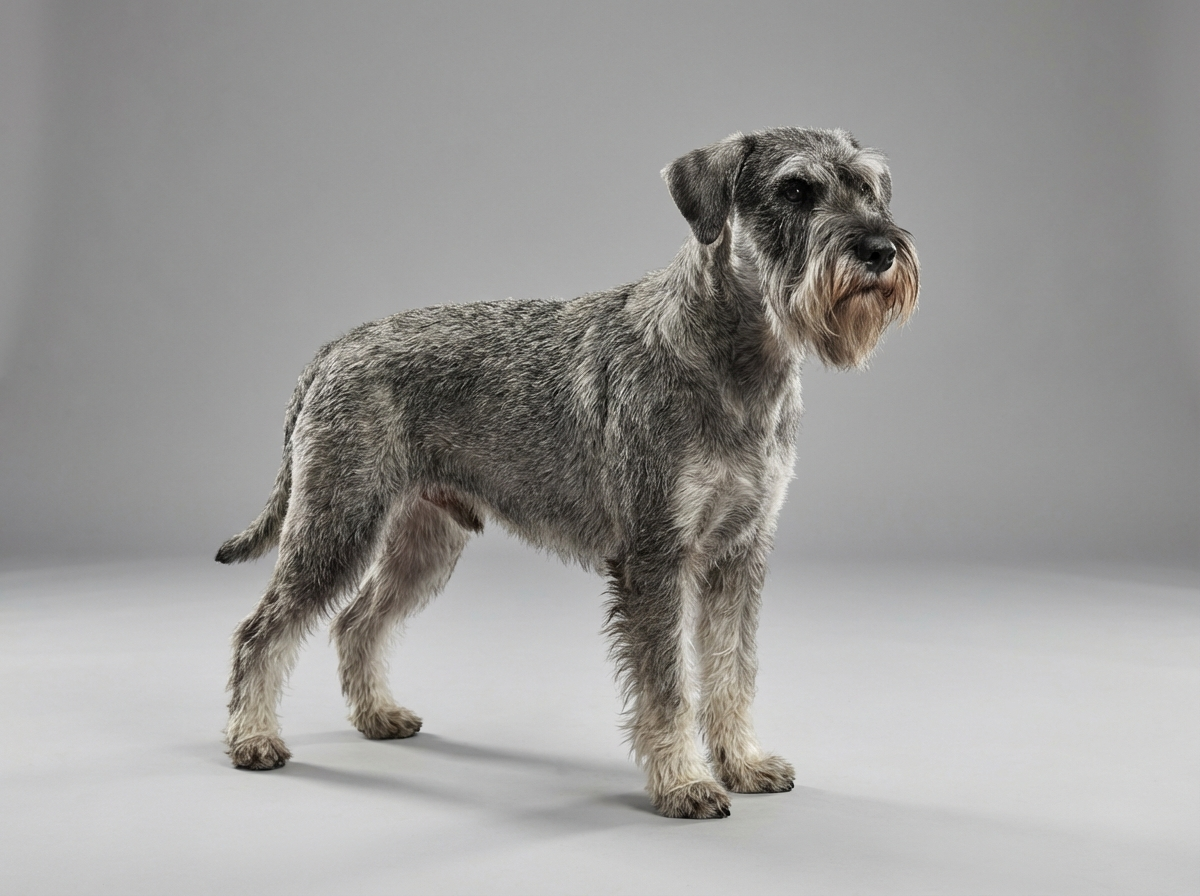
What are quick tips for Schnauzer (Standard) elbow dysplasia?
Maintain a balanced diet and monitor your dog's weight to reduce stress on the joints. Regular vet check-ups are key to early detection.

Quick answer
What are quick tips for Schnauzer (Standard) elbow dysplasia?
Maintain a balanced diet and monitor your dog's weight to reduce stress on the joints. Regular vet check-ups are key to early detection.
Schnauzer (Standard) elbow dysplasia is a common issue that can lead to pain and mobility problems.
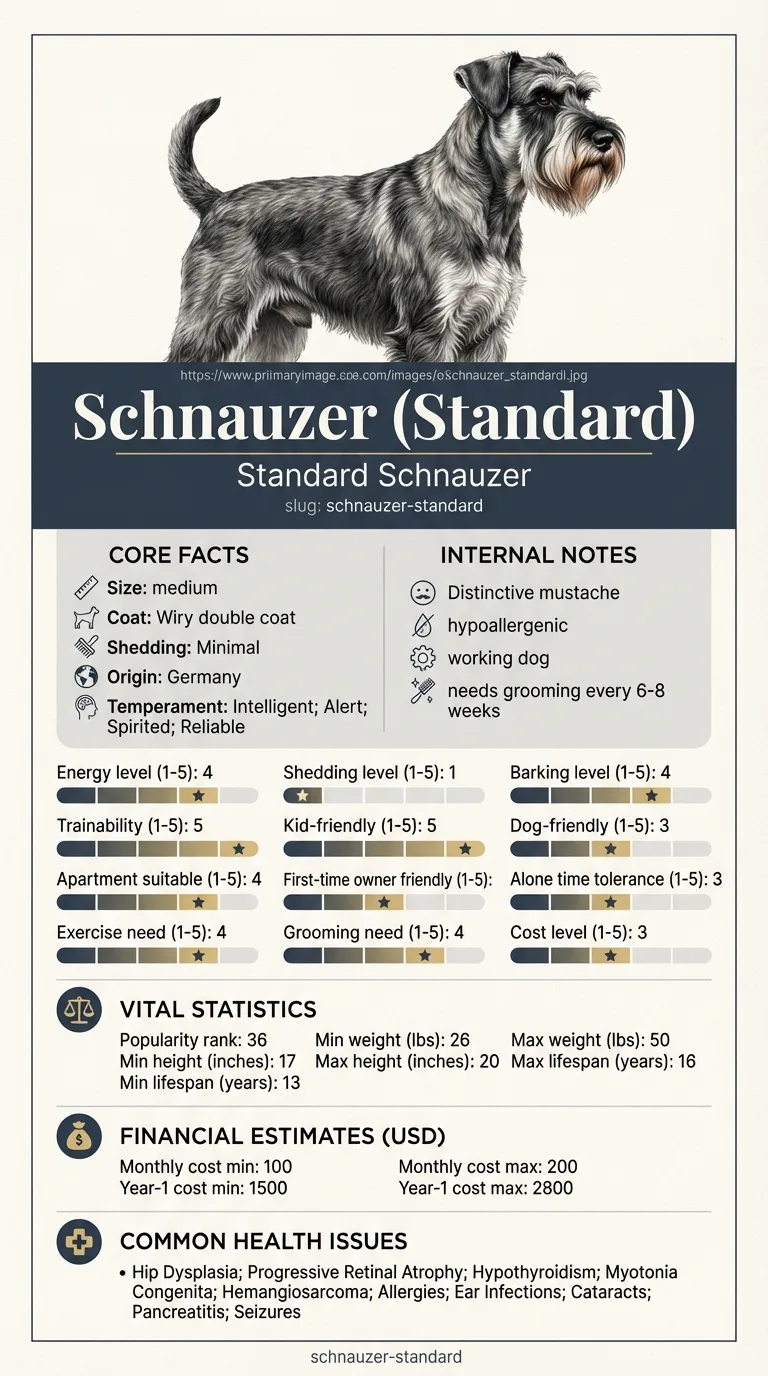
Owners of Schnauzer (Standards) may notice limping or reluctance to play. This can be especially concerning for families with active pets or those who enjoy outdoor activities.
This guide is not medical advice. If your dog shows pain, sudden behavior change, or worsening symptoms, consult a licensed veterinarian.
Some links may be affiliate links. We may earn a commission at no extra cost to you. We only suggest products we believe are helpful for dog owners.
We research and check what we publish, but we do not warrant that any figure, date, price, or statement is accurate, complete, or current, and we accept no liability for any loss, cost, injury, or other harm arising from the use of this site. Use it as one reference among several. You remain responsible for your own decisions and for your dog's care - confirm anything that matters with a licensed veterinarian or another qualified professional before you act on it. Full disclaimer.
Check this first
Determining when Schnauzer (Standard) elbow dysplasia is an emergency can be crucial for your dog's health. If your dog shows severe symptoms such as inability to bear weight on the affected leg, extreme swelling, or intense pain when you touch the elbow, it's time to call your vet immediately. These signs can indicate a significant issue that requires prompt medical intervention.
If any of these apply, call your vet or an emergency clinic now. The rest of this page is for the cases that are not an emergency.
Schnauzer (Standard) elbow dysplasia is a painful condition where the elbow joint develops abnormally. This can lead to discomfort, limping, and difficulty in movement. Owners often notice their dog struggling to play or go for walks, especially after periods of rest.
Elbow dysplasia is relatively common in Schnauzers (Standard), particularly in those with a family history of joint issues. While not every Schnauzer will face this problem, awareness and early detection can help manage the condition effectively.
Schnauzers, including Standard Schnauzers, can be predisposed to elbow dysplasia due to genetics. This breed may inherit certain structural issues in their elbows, which can lead to joint malformation. Understanding these genetic factors can help owners anticipate and manage potential health concerns.
Environmental factors can also contribute to elbow dysplasia in Schnauzers. Rapid growth during puppyhood, excessive weight, or high-impact activities can strain developing joints. Additionally, a lack of proper exercise or overly strenuous exercise may exacerbate existing joint issues.
If your Schnauzer exhibits chronic limping, swelling, or pain, it’s time to consult your vet. They can assess the condition and recommend treatment options, which may include medications, physical therapy, or potential surgery.
Many owners unintentionally make their Schnauzer (Standard) elbow dysplasia worse. Here are common mistakes and safer alternatives to consider.
Start here: Standard Schnauzer Most Common Genetic Disorders: Screening
See all Schnauzer Standard health problems, which breeds are prone to elbow dysplasia, or the full Schnauzer Standard breed guide for temperament, exercise needs and ownership costs.
You can expect to see improvement in your Schnauzer's elbow dysplasia within 2 to 6 months of consistent care and follow-up with your vet.
Success means your dog shows less discomfort during movement, improved mobility, and a more active lifestyle. Regular vet check-ups and following a tailored exercise plan will also contribute to their overall well-being.
In less severe cases, you might notice mild limping or occasional stiffness, especially after exercise. If your Schnauzer (Standard) shows these symptoms but still engages in regular activities, you can monitor their condition at home. Keep an eye on their behavior and set up a schedule for gentle exercise and rest, but don’t hesitate to consult your vet if you feel unsure.

Maria, a first-time dog owner, noticed her 3-year-old Standard Schnauzer, Max, limping after playing fetch. After a vet visit, she learned about elbow dysplasia, a common issue in Schnauzers. Initially overwhelmed, Maria researched how to help Max. She began a tailored exercise routine that included low-impact activities and consulted a canine physical therapist. Within a few months, Max was moving more freely and happily chasing balls again. Maria realized the importance of patience and consistency in his recovery journey.
Key takeaway: With the right approach and support, managing Schnauzer (Standard) elbow dysplasia is possible. Consistent training and care can lead to significant improvements in your dog's quality of life.
Signs of elbow dysplasia in your Schnauzer (Standard) can include limping, difficulty getting up, or reluctance to play. You might also notice your dog favoring one leg over the other or showing signs of discomfort when moving. If you see these signs, it's important to consult your vet.
Preventing elbow dysplasia involves responsible breeding practices and maintaining a healthy weight for your Schnauzer. Regular vet check-ups and appropriate exercise can also help keep your pup's joints healthy.
Treatment may include weight management, physical therapy, and in some cases, surgery. Consult your veterinarian to create a tailored plan based on your dog's specific needs.
While training won't cure elbow dysplasia, it can help manage your dog’s behavior and improve their quality of life. Focus on gentle exercises and activities that don’t strain their joints.
Look for signs like limping, stiffness in the front legs, or reluctance to play or exercise. If you notice any of these symptoms, it's best to consult a vet for evaluation.
Yes, elbow dysplasia can affect older Schnauzers (Standards), although it often shows up in younger dogs. As your Schnauzer ages, you may notice increased stiffness or pain in the elbows. Regular vet check-ups can help manage symptoms and improve their quality of life.
Managing your Schnauzer's (Standard) elbow dysplasia at home can include providing a comfortable resting area and ensuring they have a healthy diet. Gentle exercise, like short walks, can help maintain joint mobility. Always consult your vet for specific recommendations tailored to your dog's condition.
Surgery may be necessary for Schnauzers (Standards) with severe elbow dysplasia, especially if they experience significant pain or mobility issues. Your vet can assess the severity of the condition and discuss whether surgical options are appropriate for your dog.
For a Schnauzer (Standard) with elbow dysplasia, consider reducing high-impact activities like jumping or running on hard surfaces. Incorporating joint supplements and maintaining a healthy weight can also help. Regular vet visits are key to adapting their lifestyle as needed.
Maintain a balanced diet and monitor your dog's weight to reduce stress on the joints. Regular vet check-ups are key to early detection.
Elbow dysplasia can lead to pain and mobility issues, affecting your Schnauzer's ability to play and exercise. Managing their weight and providing joint supplements may help.
Surgery may be needed for severe cases, but many dogs can manage with weight control and physical therapy. Always discuss options with your vet.
Focus on low-impact training that strengthens muscles without straining the joints. Consider consulting a professional trainer for tailored guidance.
Costs can vary widely but may range from $100 to several thousand dollars depending on the treatment needed. Always get a cost estimate from your vet.
A one-page prep sheet for this condition: the signs, the questions to ask, what to get priced. Unlocks here.
You get: Vet visit prep sheet
No spam. One-click unsubscribe. See our privacy policy.
Preview page 1 before you decide.