Health
What are Maltese elbow dysplasia quick tips?
Keep your Maltese at a healthy weight and avoid high-impact activities. Regular vet check-ups are essential to monitor joint health.

Quick answer
What are Maltese elbow dysplasia quick tips?
Keep your Maltese at a healthy weight and avoid high-impact activities. Regular vet check-ups are essential to monitor joint health.
Maltese elbow dysplasia is a painful condition that affects your dog's joints. It can lead to discomfort and mobility issues if not addressed properly.
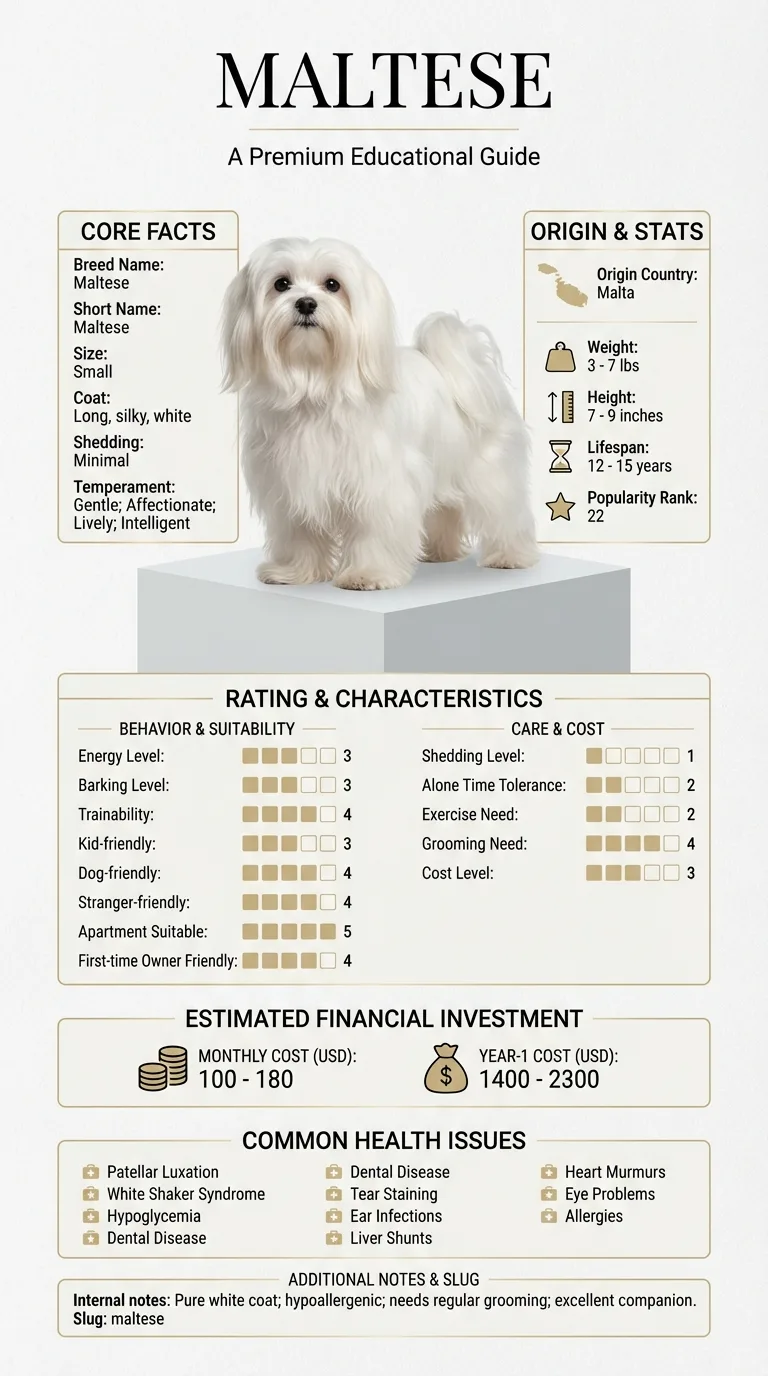
Owners of Maltese dogs often face this issue, especially those who notice their pets limping or hesitating to jump. It can be particularly concerning for first-time dog owners who may not recognize the signs.
This guide is not medical advice. If your dog shows pain, sudden behavior change, or worsening symptoms, consult a licensed veterinarian.
Some links may be affiliate links. We may earn a commission at no extra cost to you. We only suggest products we believe are helpful for dog owners.
We research and check what we publish, but we do not warrant that any figure, date, price, or statement is accurate, complete, or current, and we accept no liability for any loss, cost, injury, or other harm arising from the use of this site. Use it as one reference among several. You remain responsible for your own decisions and for your dog's care - confirm anything that matters with a licensed veterinarian or another qualified professional before you act on it. Full disclaimer.
Check this first
Recognizing when Maltese elbow dysplasia becomes an emergency is crucial for your dog's health. Certain signs indicate immediate veterinary attention is necessary. If your Maltese is limping severely, unable to put weight on the affected leg, or showing signs of intense pain when you touch their elbow, these are red flags. Additionally, if you notice swelling around the joint, sudden behavioral changes, or a reluctance to move, contact your vet right away.
In contrast, mild symptoms can often be monitored at home. If your Maltese is occasionally limping but still playing or running, it may not be an immediate concern. Light stiffness after exercise or slight discomfort during specific movements can be signs of elbow dysplasia that don’t require urgent care. In these cases, keeping an eye on their behavior and maintaining a consistent exercise routine is advisable.
It's essential to stay proactive. If symptoms persist or worsen, don't hesitate to reach out to your veterinarian. Keeping a close watch on your dog's condition can help you distinguish between an emergency situation and minor issues that can be managed with care and observation.
If any of these apply, call your vet or an emergency clinic now. The rest of this page is for the cases that are not an emergency.
Maltese elbow dysplasia is a common joint issue that can affect these small, lively dogs. It involves a malformation in the elbow joint, leading to pain and difficulty in movement. Owners may notice their Maltese limping, reluctance to play or exercise, and occasional yelping when the elbow is moved.
Elbow dysplasia is relatively common in Maltese dogs, particularly among those with a family history of joint issues. It’s important for owners to be observant, as early detection can significantly improve management and quality of life.
Maltese elbow dysplasia can stem from inherited traits common in the breed. Small dogs like the Maltese may be prone to joint issues due to their structure, which can lead to malformation in the elbows. This genetic predisposition can sometimes manifest even in well-cared-for dogs.
Environmental factors can also play a role in developing elbow dysplasia. Overexertion during play and lack of proper joint support can exacerbate the condition. Additionally, weight gain can put extra stress on the elbows, increasing the likelihood of issues.
If your Maltese displays persistent limping, swelling, or signs of pain, it's crucial to consult your vet. They can provide a proper diagnosis and treatment plan, which may include medications or physical therapy.
Avoid these common mistakes to help your Maltese with elbow dysplasia. They can inadvertently worsen the problem or delay improvement.
Start here: Maltese Most Common Genetic Disorders: What to Screen For
See all Maltese health problems, which breeds are prone to elbow dysplasia, or the full Maltese breed guide for temperament, exercise needs and ownership costs.
You can expect to see improvement in your Maltese's elbow dysplasia within 6 to 12 months if you follow a consistent care and management plan.
Success means your Maltese can move without pain, enjoys regular activities, and displays a healthier range of motion in the affected elbow.
Samantha, a first-time dog owner, noticed her 2-year-old Maltese, Bella, limping during their daily walks. After a visit to the vet, she learned Bella had elbow dysplasia. Initially overwhelmed, Samantha focused on understanding the condition and how to help Bella. She started a combination of low-impact exercises and modified her training methods to include gentle stretches. Over time, Bella's mobility improved, and her pain seemed to lessen. Samantha also learned to manage Bella's weight, which helped reduce stress on her joints.
Key takeaway: With the right plan and persistence, even a challenging diagnosis like Maltese elbow dysplasia can lead to significant improvements in your dog's quality of life.
Maltese elbow dysplasia can be caused by genetic factors, poor nutrition, or improper exercise during the puppy stage. It is important to consult with a vet to assess your dog's condition and discuss possible hereditary issues.
Managing Maltese elbow dysplasia often involves a combination of weight management, appropriate exercise, and possibly medication. A veterinarian may suggest a tailored exercise plan to strengthen muscles around the joint without putting too much strain on it.
Surgery for Maltese elbow dysplasia may be necessary in severe cases where conservative management fails. Discuss with your vet to determine the best course of action based on your dog's specific needs.
To prevent Maltese elbow dysplasia from worsening, maintain a healthy weight and engage in low-impact exercises. Regular check-ups with your vet can help monitor your dog's joint health and adjust care as needed.
Yes, older Maltese may show more pronounced symptoms as their joints wear down over time. They might experience increased pain and reduced mobility, making regular vet check-ups essential.
Elbow dysplasia can have a genetic component, meaning it may run in families. If you have concerns about your Maltese's lineage, consult with a vet or a breeder familiar with this issue.
Ensuring your Maltese maintains a healthy weight and providing joint supplements can be beneficial. Gentle exercises, like short walks, can also help keep their joints moving without overexertion.
If you notice persistent limping, swelling, or signs of pain, it's essential to consult a vet. Early intervention can help manage Maltese elbow dysplasia effectively.
Keep your Maltese at a healthy weight and avoid high-impact activities. Regular vet check-ups are essential to monitor joint health.
Yes, training can help by reinforcing good behavior and managing your dog's activity levels, which can be beneficial for their joints.
A balanced diet rich in omega fatty acids can support joint health. Consult your vet for specific dietary recommendations.
Elbow dysplasia is not the most common issue for Maltese, but it can occur, especially in those with genetic predispositions.
A one-page prep sheet for this condition: the signs, the questions to ask, what to get priced. Unlocks here.
You get: Vet visit prep sheet
No spam. One-click unsubscribe. See our privacy policy.
Preview page 1 before you decide.