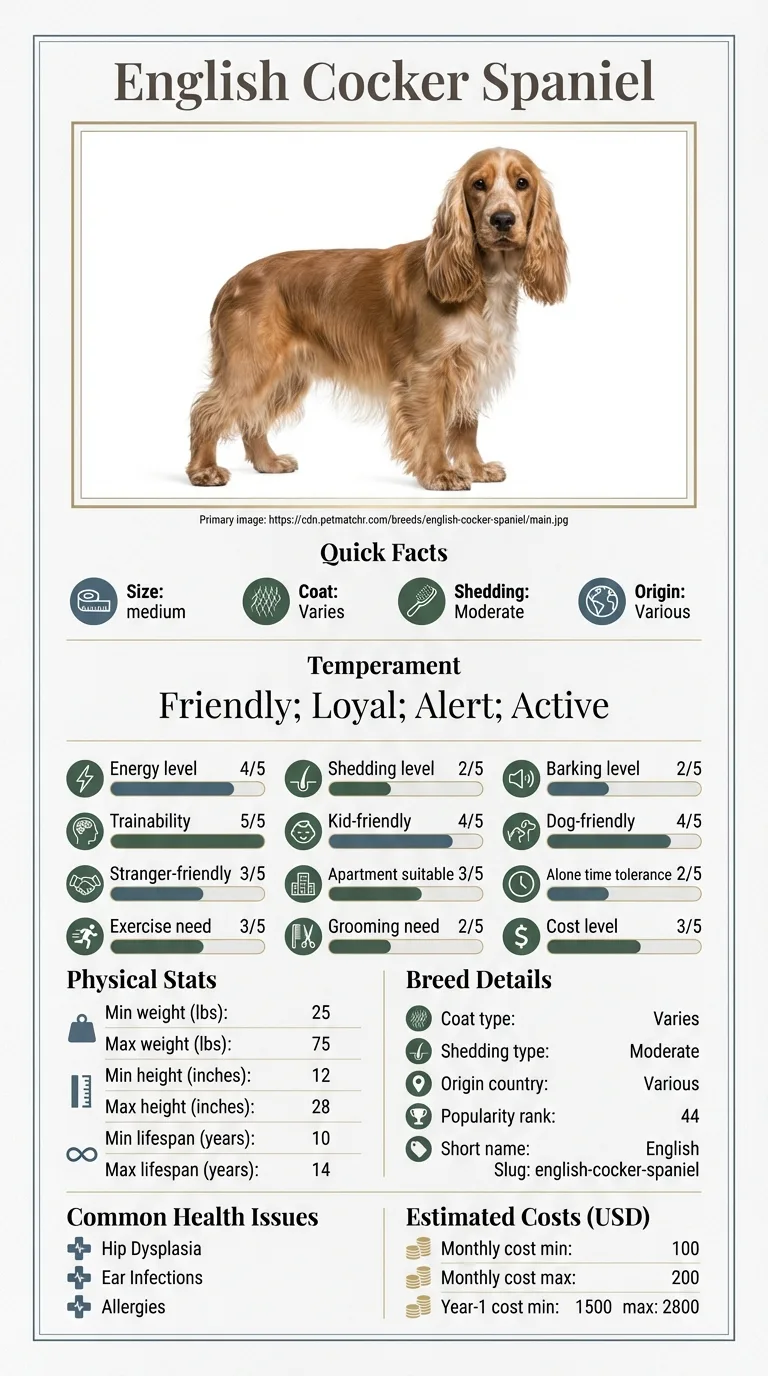
Understanding English Cocker Spaniel Respiratory Disease
English Cocker Spaniel respiratory disease is a serious concern for these lovable dogs. It can affect their quality of life and longevity.
What you can try
- Maintain a healthy weight: Monitor your dog's diet and ensure regular exercise to keep them fit. A healthy weight can significantly reduce respiratory strain.
- Air quality improvement: Use air purifiers in your home to reduce allergens and keep windows closed during high pollen seasons. Avoid smoking indoors.
- Routine check-ups: Regular vet visits can catch early signs of respiratory distress. Follow your vet's advice on vaccinations and parasite control.
Mistakes that make this worse
Improper handling of your English Cocker Spaniel's respiratory disease can worsen their condition. Here are common mistakes to avoid and safer alternatives.
- Ignoring Symptoms: Many owners dismiss early signs of respiratory issues, thinking they're minor. Instead, monitor your dog's breathing closely and consult your vet at the first signs of trouble.
- Overexercising: While exercise is important, pushing your English Cocker Spaniel too hard can exacerbate respiratory issues. Stick to moderate activities, especially during hot weather.
- Using Harsh Training Methods: Some owners resort to yelling or harsh corrections, which can increase anxiety and worsen respiratory problems. Use positive reinforcement techniques to encourage good behavior without stress.
- Neglecting Weight Management: Obesity can strain your dog's respiratory system. Ensure a balanced diet and regular exercise to maintain a healthy weight.
- Keeping Allergens Around: Dust, mold, and smoke can irritate your dog's airways. Regularly clean your home and avoid exposing your dog to these allergens.
- Skipping Regular Vet Check-ups: Some owners only visit the vet when there’s a problem. Schedule regular check-ups to monitor your dog's respiratory health and catch issues early.
- Not Using a Harness: Walking your dog with a collar can put pressure on their throat. Opt for a harness, which distributes pressure more evenly and is gentler on their respiratory system.
When English Cocker Spaniel Respiratory Disease is an Emergency
Recognizing when English Cocker Spaniel respiratory disease requires immediate attention is crucial. Look for red-flag signs that indicate you should call your vet right away. These include severe difficulty breathing, persistent coughing that doesn't improve, or bluish gums. If your English Cocker Spaniel is lethargic or has a sudden loss of appetite, these are other signs that need urgent care.
On the other hand, mild symptoms can often be monitored. If your pup has occasional sneezing or a slight cough, you might not need to panic. You can watch and wait as long as your dog is still active and eating well. Create a plan to monitor any changes in their condition and consult your vet if symptoms persist beyond a few days.
Keep track of any additional symptoms that may develop, such as nasal discharge or fatigue. If your dog seems to be in distress or if their condition worsens, don't hesitate to seek help. It's always better to be safe than sorry when it comes to your furry friend’s health.
Frequently asked questions
Why does my English Cocker Spaniel have respiratory disease?
English Cocker Spaniels are prone to respiratory diseases due to their physical structure. Their medium size and varying coat types can lead to issues like allergies and infections that affect breathing. Regular vet check-ups can help catch problems early. This answer relates to English Cocker Spaniel respiratory disease.
How can I stop my English Cocker Spaniel from having respiratory issues?
To reduce the risk of respiratory disease, maintain a clean living environment and minimize exposure to allergens. Regular exercise and a balanced diet are also important. Consulting with a vet for a tailored health plan is essential.
What are the signs of respiratory disease in English Cocker Spaniels?
Common signs include coughing, labored breathing, and decreased activity levels. If your dog seems to tire easily or has a persistent cough, it’s time to consult your vet. Early detection can lead to better outcomes.
Are there specific training methods for English Cocker Spaniels with respiratory issues?
Yes, training should focus on gentle exercises and commands that don't overexert your dog. Positive reinforcement works well, and incorporating short, frequent training sessions can help maintain their interest without straining them.
What is the treatment for respiratory disease in English Cocker Spaniels?
Treatment may include medications, lifestyle changes, and in some cases, surgery. Your vet will evaluate the severity of the disease and recommend the best course of action, including potential referrals to specialists.
What are the signs of respiratory disease in an English Cocker Spaniel?
Common signs of respiratory disease in an English Cocker Spaniel include persistent coughing, difficulty breathing, and excessive panting. You may also notice your dog being less active or having trouble exercising.
How does age affect respiratory disease in English Cocker Spaniels?
Older English Cocker Spaniels may be more prone to respiratory issues due to age-related changes in their lungs and immune system. Regular vet check-ups become even more important as they age, especially if you notice any breathing difficulties.
What should I do if my English Cocker Spaniel shows symptoms of respiratory disease?
If your English Cocker Spaniel shows symptoms like coughing or labored breathing, it's essential to consult your veterinarian as soon as possible. Early intervention can help manage the condition more effectively and improve your dog's quality of life.
Can environmental factors trigger respiratory disease in my English Cocker Spaniel?
Yes, environmental factors such as smoke, pollen, or dust can exacerbate respiratory issues in an English Cocker Spaniel. It's best to keep your dog in a clean, well-ventilated space and limit exposure to allergens whenever possible.
Are there specific training methods to help with an English Cocker Spaniel's respiratory disease?
Training can help manage an English Cocker Spaniel's anxiety related to respiratory disease. Techniques like positive reinforcement can make your dog feel more comfortable during stressful situations, but always consult your vet for tailored advice.