Behavior
What are quick tips for managing English Cocker Spaniel brachycephalic features?
Keep your dog cool, maintain a healthy weight, and monitor for breathing issues. Regular vet visits are crucial for managing their health.

Quick answer
What are quick tips for managing English Cocker Spaniel brachycephalic features?
Keep your dog cool, maintain a healthy weight, and monitor for breathing issues. Regular vet visits are crucial for managing their health.
English Cocker Spaniels can have brachycephalic features that lead to breathing difficulties. Understanding this condition is crucial for their well-being.
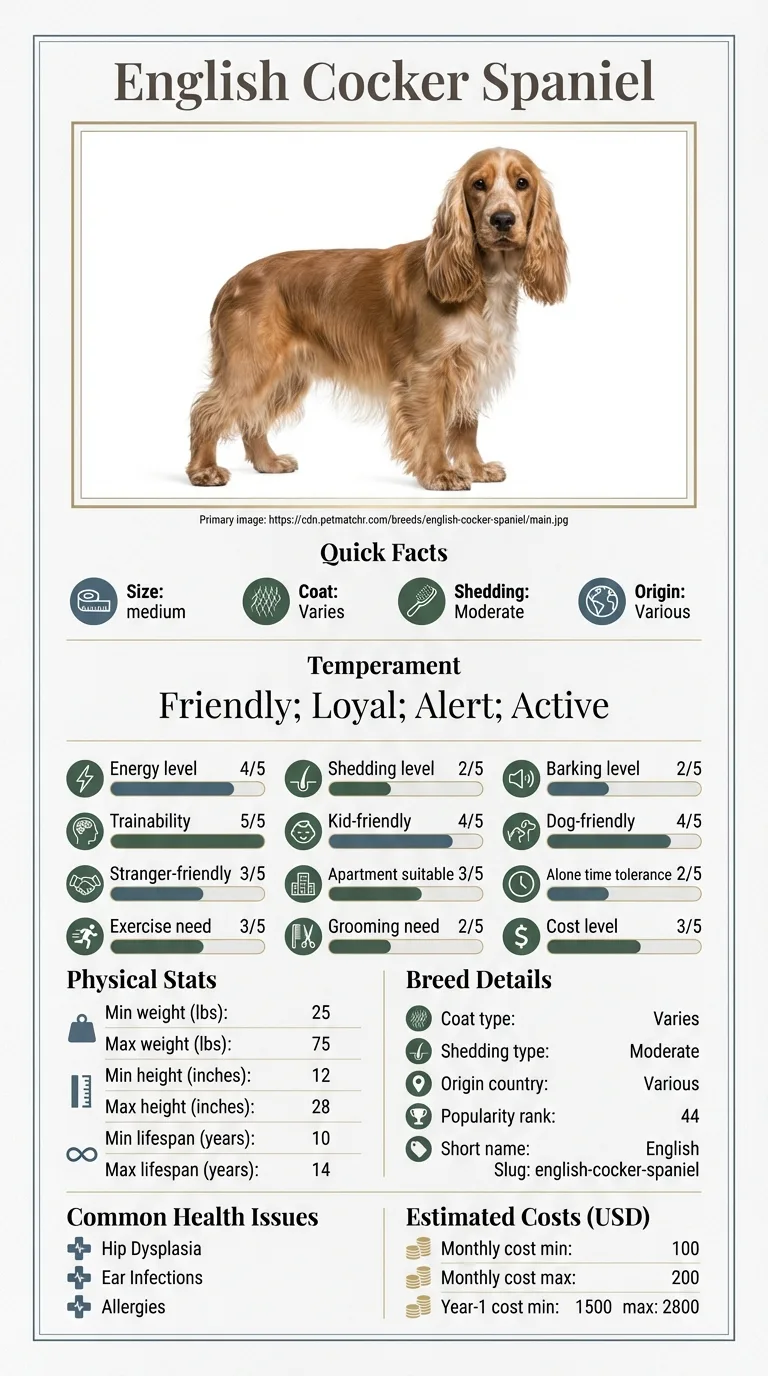
Typical owners facing this issue include first-time dog parents or busy families who may not notice subtle breathing problems. They often want to ensure their Cocker Spaniel leads a happy, active life without respiratory concerns.
This guide is not medical advice. If your dog shows pain, sudden behavior change, or worsening symptoms, consult a licensed veterinarian.
Some links may be affiliate links. We may earn a commission at no extra cost to you. We only suggest products we believe are helpful for dog owners.
We research and check what we publish, but we do not warrant that any figure, date, price, or statement is accurate, complete, or current, and we accept no liability for any loss, cost, injury, or other harm arising from the use of this site. Use it as one reference among several. You remain responsible for your own decisions and for your dog's care - confirm anything that matters with a licensed veterinarian or another qualified professional before you act on it. Full disclaimer.
Check this first
If your English Cocker Spaniel shows signs of severe breathing difficulties, call your vet immediately. Red flags include excessive panting, wheezing, or difficulty breathing during rest. Additionally, if your dog collapses or shows signs of blue-tinged gums, these indicate a serious issue that requires urgent attention.
In contrast, mild cases can be monitored at home. If your English Cocker Spaniel experiences occasional snorting or labored breathing after exercise, watch for other symptoms. Keep a close eye on their behavior and breathing patterns, and ensure they have a cool, quiet space to rest.
If these symptoms persist or worsen, it’s time to consult your vet for further guidance.
Establish a plan for how to manage your dog's breathing issues while keeping your vet informed. Regular check-ups can help track any changes in your dog's condition over time. Always prioritize your dog's comfort and health, especially if they have a history of breathing problems.
If any of these apply, call your vet or an emergency clinic now. The rest of this page is for the cases that are not an emergency.
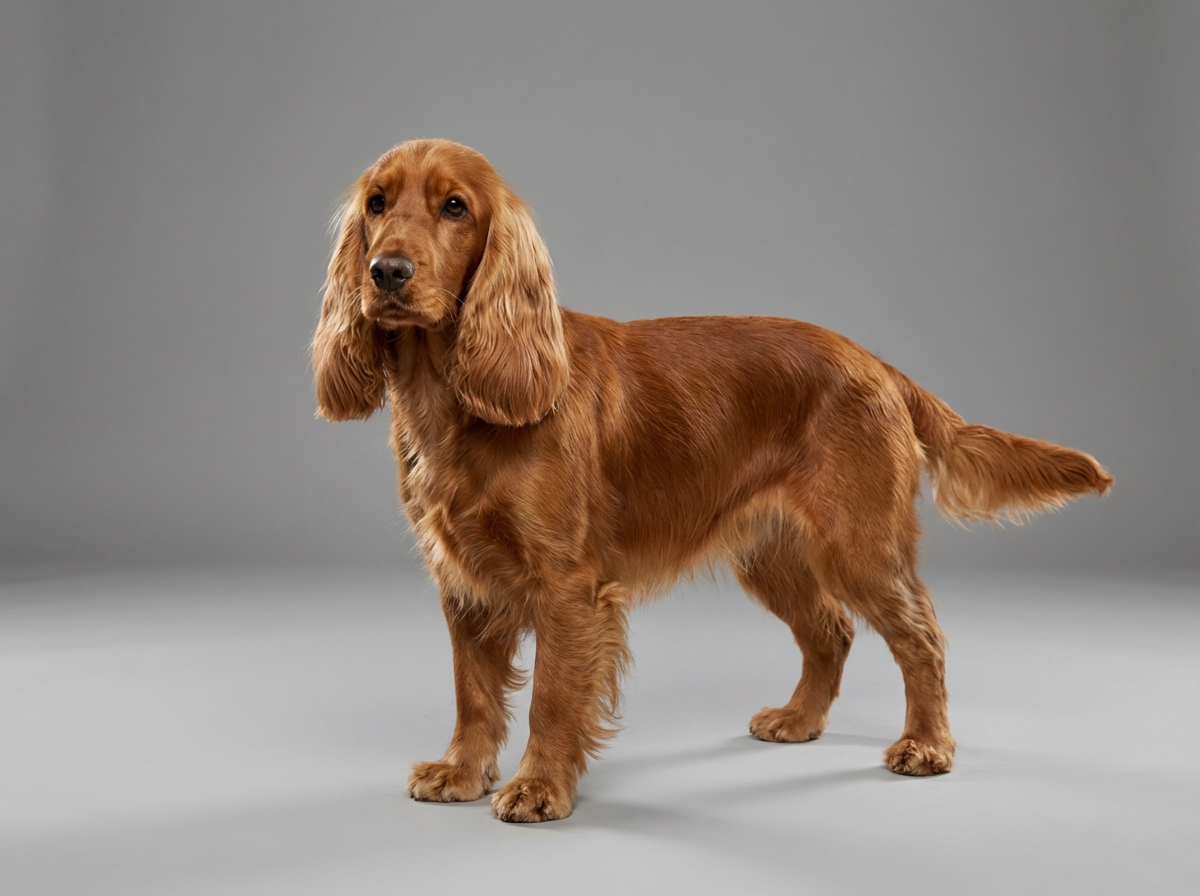
English Cocker Spaniels can sometimes exhibit brachycephalic features, which may lead to breathing difficulties. This can create challenges for owners, as affected dogs might struggle with physical activities or experience distress in hot weather. It's important for owners to recognize these signs early to ensure their pets remain healthy and comfortable.
While not all English Cocker Spaniels have pronounced brachycephalic features, some may still face moderate breathing difficulties. It's a relatively common issue for this breed, especially in environments that could trigger respiratory stress.
English Cocker Spaniels typically have longer muzzles compared to true brachycephalic breeds. However, some may show features that can affect their breathing, particularly if they have inherited traits from other breeds. These features can lead to challenges like snoring or difficulty breathing during exercise.
Environmental factors, such as heat and humidity, can exacerbate breathing difficulties. Stressful situations, like loud noises or unfamiliar environments, can also trigger anxiety, making it harder for your English Cocker Spaniel to breathe comfortably.
If your dog's breathing difficulties worsen or if you notice persistent coughing, wheezing, or excessive panting, it's essential to talk to your vet. They can assess your dog's health and recommend treatments or interventions if needed.
Many owners unintentionally make their English Cocker Spaniel's brachycephalic features worse. Here are some common mistakes to avoid, along with safer alternatives for better management.
Start here: English Cocker Spaniel Most Common Genetic Disorders
See all English Cocker Spaniel health problems, which breeds are prone to brachycephalic features, or the full English Cocker Spaniel breed guide for temperament, exercise needs and ownership costs.
You can expect noticeable improvements within 4 to 6 weeks of consistent care and management.
Success means your English Cocker Spaniel can breathe comfortably during exercise, shows less anxiety, and responds well to training cues.
Laura, a busy nurse in Seattle, adopted Bella, her English Cocker Spaniel, who unfortunately had noticeable brachycephalic features. Bella often struggled with breathing, especially when playing at the dog park. After researching, Laura learned that consistent training and environmental management were key. She started with short walks, ensuring Bella had plenty of breaks. Gradually, Bella adapted, and Laura incorporated training techniques that focused on calming cues. Within weeks, Bella was happier and more at ease during playtime.
Key takeaway: With patience and the right approach, managing brachycephalic features in your English Cocker Spaniel is possible, leading to a healthier and happier pet.
Some English Cocker Spaniels may show brachycephalic features due to breeding practices. These traits can lead to moderate breathing difficulties. It’s important to consult with your vet to understand your dog's specific needs. This answer relates to English Cocker Spaniel brachycephalic features.
To help your English Cocker Spaniel, ensure they maintain a healthy weight and avoid strenuous exercise in hot weather. Regular vet check-ups can also help manage any breathing issues. Consider using a harness instead of a collar for safer walks.
While training can't change physical traits, it can help manage behaviors related to anxiety or discomfort. Positive reinforcement training can encourage calmness during stressful situations. Always be patient and consistent in your approach.
Signs of breathing difficulties include excessive panting, coughing, or wheezing. If your dog seems lethargic or struggles during walks, it’s best to consult your veterinarian. Early intervention can improve quality of life.
Yes, brachycephalic features can lead to health problems that may shorten lifespan. Regular vet visits and a good care routine can help mitigate risks. Being proactive about their health is essential for a longer, happier life.
If you notice increased difficulty in breathing, excessive panting, or your dog seems to tire easily, these could be signs of worsening brachycephalic features. It's important to monitor any changes and consult your vet for a thorough evaluation.
While brachycephalic features are typically genetic, older English Cocker Spaniels can experience worsening symptoms due to age-related health issues. Regular vet check-ups can help manage these features as your dog ages.
Keep your English Cocker Spaniel cool during hot weather by providing plenty of water and a shady place to rest. Avoid strenuous exercise during peak heat, as their breathing difficulties can worsen in high temperatures.
While no specific diet can eliminate brachycephalic features, a balanced diet can help maintain a healthy weight. Obesity can worsen breathing issues, so consult your vet for dietary recommendations tailored to your dog's needs.
If your English Cocker Spaniel shows signs of severe difficulty breathing, such as loud wheezing or gasping, it’s time to seek immediate veterinary attention. Prompt action can help prevent serious health risks.
Keep your dog cool, maintain a healthy weight, and monitor for breathing issues. Regular vet visits are crucial for managing their health.
Aim for short, gentle walks rather than long, strenuous activities. Monitor your dog closely and give breaks if they seem tired.
Consider using a cooling vest or a specialized harness that minimizes pressure on the neck. These can help keep your dog comfortable.
A one-page prep sheet for this condition: the signs, the questions to ask, what to get priced. Unlocks here.
You get: Vet visit prep sheet
No spam. One-click unsubscribe. See our privacy policy.
Preview page 1 before you decide.