Health
What are quick tips for managing Poodle hypothyroidism?
Regular vet check-ups, proper medication, and a balanced diet are key to managing Poodle hypothyroidism. Monitoring behavior changes is also essential.

Quick answer
What are quick tips for managing Poodle hypothyroidism?
Regular vet check-ups, proper medication, and a balanced diet are key to managing Poodle hypothyroidism. Monitoring behavior changes is also essential.
Poodle hypothyroidism is a thyroid hormone deficiency that can affect your dog's health and energy levels.
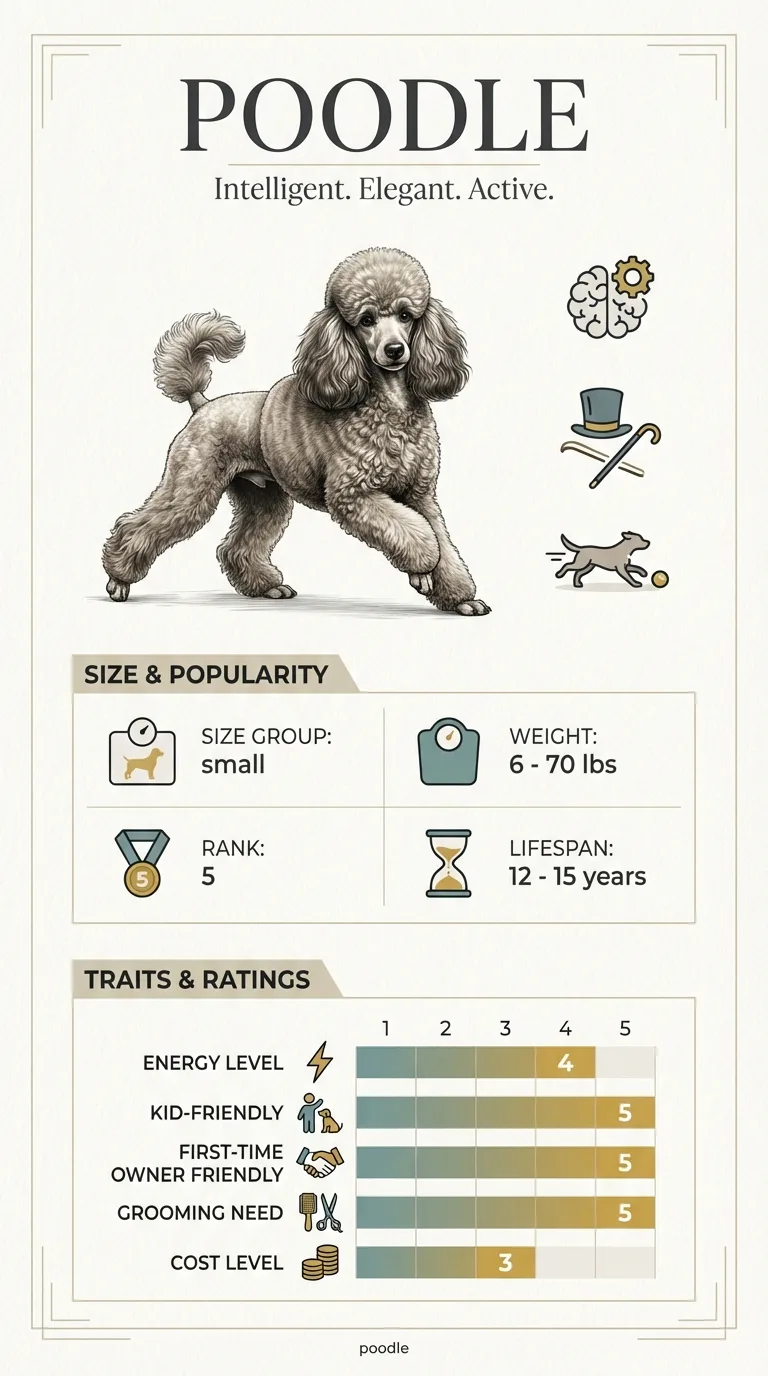
Typically, owners with Poodles, especially older ones, may notice signs of hypothyroidism. Busy families, first-time dog owners, or those living in urban areas may find it challenging to recognize these symptoms amid their hectic lives.
This guide is not medical advice. If your dog shows pain, sudden behavior change, or worsening symptoms, consult a licensed veterinarian.
Some links may be affiliate links. We may earn a commission at no extra cost to you. We only suggest products we believe are helpful for dog owners.
We research and check what we publish, but we do not warrant that any figure, date, price, or statement is accurate, complete, or current, and we accept no liability for any loss, cost, injury, or other harm arising from the use of this site. Use it as one reference among several. You remain responsible for your own decisions and for your dog's care - confirm anything that matters with a licensed veterinarian or another qualified professional before you act on it. Full disclaimer.
Check this first
Call your vet immediately if your Poodle shows severe symptoms like sudden weight gain, lethargy, or difficulty breathing. Other red flags include excessive vomiting, diarrhea, or signs of severe skin issues. These symptoms indicate that your dog may be in serious distress and needs urgent care.
On the other hand, if your Poodle is exhibiting mild symptoms, such as slight weight gain, low energy, or changes in coat quality, you can monitor them closely. Keeping track of these minor issues can help you assess if they worsen over time. A good plan includes regular vet check-ups and maintaining a consistent routine with their diet and exercise.
Always err on the side of caution. If you’re unsure, it’s better to call your vet than to wait. Hypothyroidism can lead to serious complications if left untreated. Early intervention can make a significant difference in your Poodle’s health.
If any of these apply, call your vet or an emergency clinic now. The rest of this page is for the cases that are not an emergency.
Poodle hypothyroidism is a common health issue that affects the thyroid gland, leading to inadequate hormone production. This can result in symptoms like weight gain, lethargy, and skin problems. Owners may notice their Poodle becoming less active or gaining weight despite normal eating habits, which can be concerning.
Hypothyroidism is relatively common in Poodles, particularly in middle-aged dogs. It's estimated that around 2-5% of Poodles may develop this condition during their lives.
Poodles can be genetically predisposed to hypothyroidism. This breed may have inherited traits that affect their thyroid function, leading to hormone deficiencies over time. As they age, their risk of developing this condition increases.
Environmental factors can also play a role in Poodle hypothyroidism. Poor diet, exposure to certain chemicals, or stress may negatively impact thyroid health. Additionally, obesity can exacerbate the situation and lead to further complications.
If you notice signs like weight gain, lethargy, or changes in coat quality, it's time to consult your vet. Early detection and treatment of hypothyroidism can significantly improve your Poodle's quality of life.
Avoid these common mistakes that can worsen your Poodle's hypothyroidism or slow down their recovery. Each mistake comes with a safer alternative to help improve your dog's condition.
See all Poodle health problems, which breeds are prone to hypothyroidism, or the full Poodle breed guide for temperament, exercise needs and ownership costs.
Addressing Poodle hypothyroidism typically takes 3 to 6 months for noticeable improvement.
Success means your Poodle shows increased energy, improved mood, and a healthier coat, indicating better overall health.
Lily, a busy nurse from Seattle, noticed her 6-year-old Poodle, Max, had become sluggish and was gaining weight despite regular walks. After a vet visit, she learned Max had hypothyroidism. Initially overwhelmed, Lily learned to manage his condition through medication and a tailored diet. With time and patience, Max regained his energy and even his playful spirit, much to Lily's relief.
Key takeaway: Managing Poodle hypothyroidism requires commitment, but with the right care, your Poodle can thrive again.
Poodle hypothyroidism occurs due to a deficiency in thyroid hormones, often caused by autoimmune disorders. Genetic factors can also play a role, particularly in certain breeds. Regular vet check-ups can help in early detection and management.
Signs of hypothyroidism in Poodles may include weight gain, lethargy, and changes in coat quality. You might also notice increased sensitivity to cold or skin issues. If you observe these symptoms, consult your vet for a blood test.
Treatment typically involves daily medication to replace the missing thyroid hormones. Regular blood tests will help your vet adjust the dosage as needed. It's crucial to follow your vet's guidance for the best outcome.
While diet alone won't cure hypothyroidism, a balanced diet can support overall health. Consult your vet about any specific dietary recommendations. Supplements might also be suggested to enhance your Poodle's health.
Yes, hypothyroidism can be hereditary, especially in certain breeds like Poodles. Responsible breeding practices can help reduce the prevalence. Always ask breeders about health testing for parents.
Hypothyroidism can lead to changes in behavior, such as increased lethargy or mood swings. You might notice your Poodle is less active or less interested in play. Monitoring these changes can help you discuss them with your vet.
If you suspect your Poodle has hypothyroidism, schedule a vet appointment as soon as possible. They can perform blood tests to confirm the diagnosis. Early intervention can lead to better management of the condition.
Early signs of Poodle hypothyroidism can include weight gain, lethargy, and changes in coat quality. You may also notice increased shedding or a dull, brittle coat. If you observe these symptoms, it's important to consult your vet for a proper diagnosis.
Yes, Poodle hypothyroidism can lead to behavioral changes such as increased anxiety or depression. This is often due to the dog's overall energy levels dropping. Monitoring your dog's mood and behavior is essential, and a vet can help adjust their treatment if needed.
Hypothyroidism in Poodles is diagnosed through blood tests that measure hormone levels. Your vet will look for low levels of thyroid hormones, and additional tests may be needed to rule out other conditions. Early diagnosis is key to managing the disease effectively.
Treatment for Poodle hypothyroidism typically involves daily medication to replace the missing thyroid hormones. Regular vet visits are important to monitor hormone levels and adjust doses as needed. With proper treatment, many Poodles can live healthy, active lives.
Yes, hypothyroidism can have a hereditary component in Poodles. Breeding practices can influence the likelihood of developing this condition. Responsible breeding and genetic testing can help reduce the risk of hypothyroidism in future generations.
Regular vet check-ups, proper medication, and a balanced diet are key to managing Poodle hypothyroidism. Monitoring behavior changes is also essential.
Ensuring a healthy diet, maintaining a regular exercise routine, and providing mental stimulation can support your Poodle's overall health.
Weight changes, lethargy, or behavioral shifts may indicate your Poodle's medication needs adjusting. Always consult your vet if you notice these signs.
Training a Poodle with hypothyroidism should focus on gentle, positive reinforcement methods. Be patient and adjust activities based on your dog's energy levels.
A one-page prep sheet for this condition: the signs, the questions to ask, what to get priced. Unlocks here.
You get: Vet visit prep sheet
No spam. One-click unsubscribe. See our privacy policy.
Preview page 1 before you decide.