Health
What are some quick tips for managing Miniature Schnauzer hypothyroidism?
Ensure consistent medication administration and regular vet visits for monitoring. A balanced diet and weight management are also important.

Quick answer
What are some quick tips for managing Miniature Schnauzer hypothyroidism?
Ensure consistent medication administration and regular vet visits for monitoring. A balanced diet and weight management are also important.
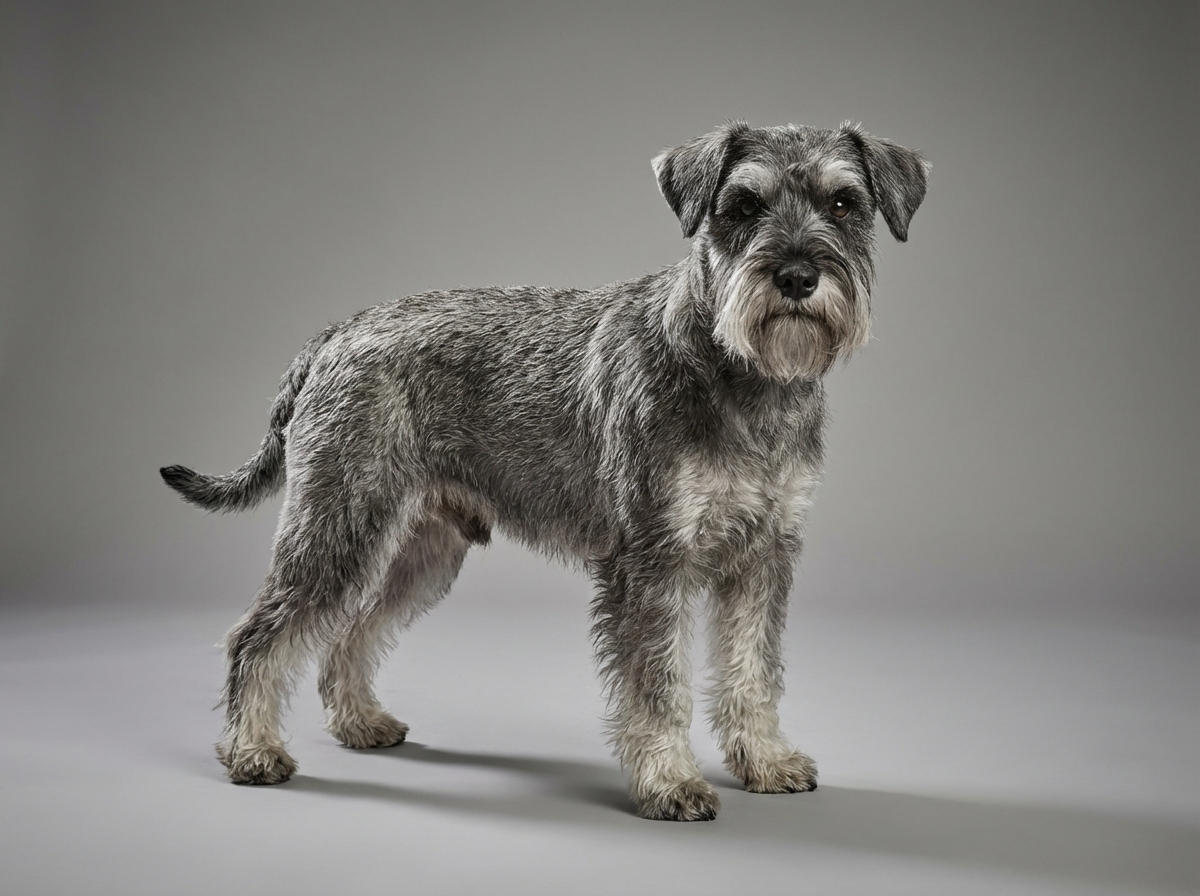
Miniature Schnauzer hypothyroidism is a common health issue that can affect your pup's energy and overall well-being. This condition arises from a deficiency in thyroid hormones, which can lead to various health problems if not addressed.
This issue typically affects Miniature Schnauzer owners who may notice their dogs becoming less active or having more difficulty with training. New pet parents and those unfamiliar with health concerns might find it especially challenging to identify these signs.
This guide is not medical advice. If your dog shows pain, sudden behavior change, or worsening symptoms, consult a licensed veterinarian.
Some links may be affiliate links. We may earn a commission at no extra cost to you. We only suggest products we believe are helpful for dog owners.
We research and check what we publish, but we do not warrant that any figure, date, price, or statement is accurate, complete, or current, and we accept no liability for any loss, cost, injury, or other harm arising from the use of this site. Use it as one reference among several. You remain responsible for your own decisions and for your dog's care - confirm anything that matters with a licensed veterinarian or another qualified professional before you act on it. Full disclaimer.
Check this first
Recognizing when Miniature Schnauzer hypothyroidism is an emergency is crucial for your dog's health. If your Miniature Schnauzer shows severe symptoms, it's time to call your vet immediately. Look for signs like rapid weight gain despite normal eating, extreme lethargy, or difficulty breathing. These can indicate a serious condition requiring urgent care.
If any of these apply, call your vet or an emergency clinic now. The rest of this page is for the cases that are not an emergency.
Miniature Schnauzer hypothyroidism occurs when your dog's thyroid doesn't produce enough hormones. This can lead to symptoms like weight gain, lethargy, and skin issues. It's crucial to recognize these signs early, as they can greatly affect your dog's quality of life.
Hypothyroidism is a relatively common health issue among Miniature Schnauzers. Studies suggest that around 10% of this breed may be affected, making it essential for owners to be vigilant about their dog's health.
Miniature Schnauzers are prone to hypothyroidism due to their genetic predisposition. This breed often experiences a decline in thyroid function, which can lead to various health issues. Understanding this breed's unique genetic traits can help in managing their health.
Environmental factors can also contribute to hypothyroidism. Stressful environments, poor diet, and exposure to certain chemicals can affect thyroid health. Keeping your Miniature Schnauzer in a stable, low-stress environment can help mitigate these risks.
If you notice symptoms like lethargy, weight changes, or skin issues, it's time to talk to your vet. They can perform blood tests to check thyroid hormone levels and recommend appropriate treatment options.
When managing Miniature Schnauzer hypothyroidism, certain owner behaviors can unintentionally worsen the situation. Here are some common mistakes to avoid:
Start here: Miniature Schnauzer Most Common Genetic Disorders: Screening
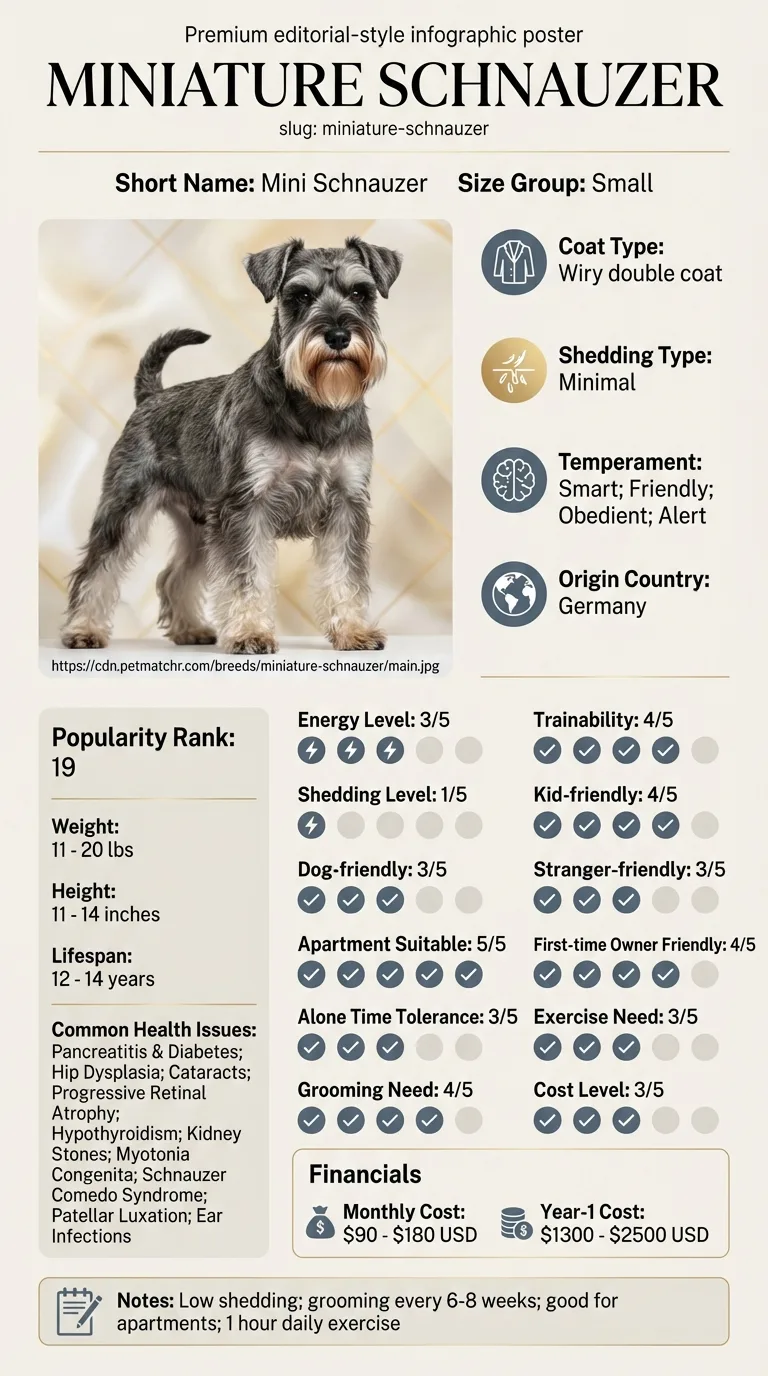
See all Miniature Schnauzer health problems, which breeds are prone to hypothyroidism, or the full Miniature Schnauzer breed guide for temperament, exercise needs and ownership costs.
Managing Miniature Schnauzer hypothyroidism typically takes a few weeks to several months to stabilize with proper treatment.
Success means your Miniature Schnauzer shows improvement in energy levels, weight management, and overall health after beginning treatment.
In less severe cases of Miniature Schnauzer hypothyroidism, you can monitor your dog at home. If your pup is experiencing mild symptoms like slight weight gain, decreased energy, or changes in coat quality, keep a close eye on them. You can consult your vet for a check-up and develop a management plan. Regular monitoring can help catch any worsening symptoms early.

Sarah, a busy nurse in Atlanta, noticed her Miniature Schnauzer Max was more lethargic than usual. After a vet visit, she learned that Max had hypothyroidism. At first, it was overwhelming for Sarah, but with guidance from her vet, she started Max on medication and adjusted his diet. Within a few weeks, Max had more energy and was back to his playful self. Sarah even incorporated short walks into their routine to help manage his weight. Now, she feels empowered and more connected with Max, knowing she’s doing her best for him.
Key takeaway: With the right treatment and support, managing Miniature Schnauzer hypothyroidism can lead to a happy, healthier dog.
Signs of hypothyroidism in a Miniature Schnauzer can include weight gain, lethargy, and a dull coat. You might also notice increased sensitivity to cold and skin issues. If you observe these symptoms, it's best to consult your veterinarian.
Managing Miniature Schnauzer hypothyroidism typically involves lifelong hormone replacement therapy prescribed by your vet. Regular check-ups will help ensure the dosage is effective and adjust if necessary.
Common symptoms include weight gain, lethargy, and changes in coat quality. If you notice these signs, it's important to seek veterinary advice for diagnosis and treatment.
Yes, hypothyroidism can lead to changes in behavior, including increased anxiety or depression. Addressing the condition with your vet can help improve your dog's mood and overall well-being.
The primary treatment for Miniature Schnauzer hypothyroidism is hormone replacement therapy, usually in the form of a daily pill. Your vet will monitor your dog's hormone levels to ensure proper management.
Initially, your Miniature Schnauzer should see the vet every 6 to 12 weeks to adjust medication as needed. Once stable, annual check-ups are generally sufficient.
While no specific diet cures hypothyroidism, maintaining a healthy weight is crucial. Consult your vet for a balanced diet that supports your dog's overall health.
Diagnosing Miniature Schnauzer hypothyroidism typically involves blood tests to measure thyroid hormone levels. Your vet may also review your dog's medical history and conduct a physical examination to assess any symptoms.
Yes, hypothyroidism in Miniature Schnauzers can be effectively managed with daily thyroid hormone replacement medication. Regular check-ups with your vet will help monitor your dog's condition and adjust treatment as needed.
To help your Miniature Schnauzer manage hypothyroidism, ensure they receive their medication consistently and maintain a balanced diet. Regular exercise is also important for their overall health and weight management.
Hypothyroidism can have a genetic component in Miniature Schnauzers, but environmental factors may also play a role. It's essential to choose a reputable breeder to reduce the risk of hereditary health issues in your dog.
Ensure consistent medication administration and regular vet visits for monitoring. A balanced diet and weight management are also important.
Provide a comfortable environment, engage in gentle exercise, and maintain a routine. These can help reduce anxiety related to the condition.
Look for changes in energy levels, weight, or coat quality. These can indicate whether the hypothyroidism is well-managed.
While the medication is relatively affordable, ongoing vet visits for monitoring can add to the cost. Budgeting for these expenses is essential.
Yes, training can provide mental stimulation and strengthen your bond. Keep sessions short and positive to accommodate your dog's energy levels.
A one-page prep sheet for this condition: the signs, the questions to ask, what to get priced. Unlocks here.
You get: Vet visit prep sheet
No spam. One-click unsubscribe. See our privacy policy.
See a sample page before you decide.
Early access list
The free prep sheet covers the same-day warning signs, a symptom log and the questions to ask. We are considering a fuller kit that adds a cost worksheet for the usual tests and treatments (US price ranges with their sources) and a plain-English guide to ways of covering the bill. It is not built yet; this list tells us whether it is worth building.
One email, no spam, unsubscribe anytime. Information only, not veterinary advice.