Health
What are Maltese hypothyroidism quick tips?
Keep up with your vet appointments, follow the medication schedule, and maintain a healthy diet for your Maltese.

Quick answer
What are Maltese hypothyroidism quick tips?
Keep up with your vet appointments, follow the medication schedule, and maintain a healthy diet for your Maltese.
Maltese hypothyroidism is a common issue that affects these small dogs. Understanding this condition is crucial for their health and happiness.
Typically, owners of Maltese dogs may struggle with this issue, especially if they're first-time dog parents. Busy families or individuals may not notice changes until they become severe, making it vital to stay informed about their pet's health.
This guide is not medical advice. If your dog shows pain, sudden behavior change, or worsening symptoms, consult a licensed veterinarian.
Some links may be affiliate links. We may earn a commission at no extra cost to you. We only suggest products we believe are helpful for dog owners.
We research and check what we publish, but we do not warrant that any figure, date, price, or statement is accurate, complete, or current, and we accept no liability for any loss, cost, injury, or other harm arising from the use of this site. Use it as one reference among several. You remain responsible for your own decisions and for your dog's care - confirm anything that matters with a licensed veterinarian or another qualified professional before you act on it. Full disclaimer.
Check this first
Red-flag signs indicating you should call your vet immediately include sudden weight gain, extreme lethargy, and a noticeable drop in energy levels. If your Maltese is experiencing severe skin issues, such as hair loss or infections, this also warrants a quick vet visit. Additionally, if you notice any signs of confusion or unresponsiveness, don’t hesitate to seek help.
In contrast, there are mild cases of Maltese hypothyroidism that can be monitored with a watch-and-wait approach. Symptoms like slight weight gain, mild lethargy, or occasional skin issues can often be managed at home. Keeping a close eye on your dog's condition, tracking any changes, and maintaining regular vet check-ups can be effective in these situations.
Always have a plan in place for emergencies, and don't hesitate to err on the side of caution. Your Maltese's health and well-being should always come first. When in doubt, a quick call to your veterinarian can provide peace of mind and ensure you’re making the best decisions for your furry friend.
If any of these apply, call your vet or an emergency clinic now. The rest of this page is for the cases that are not an emergency.
Maltese hypothyroidism is a common health issue that arises from a deficiency in thyroid hormones. This condition can lead to various symptoms, including weight gain, lethargy, and skin problems. Owners may notice their Maltese becoming less active or having a dull coat, which can be concerning.
Hypothyroidism is relatively common in Maltese dogs, especially as they age. Many owners may encounter this issue, making it important to be aware of the signs and seek veterinary advice.
Maltese dogs are prone to certain genetic factors that can lead to hypothyroidism. This breed may have inherited traits that affect hormone production, making them more susceptible to thyroid issues as they age.
Environmental factors such as diet and exposure to toxins can also play a role in Maltese hypothyroidism. Poor nutrition or exposure to certain chemicals may disrupt thyroid function, leading to deficiency.
If you notice symptoms like weight gain, lethargy, or changes in appetite, it's time to talk to your vet. They can conduct tests to confirm hypothyroidism and discuss treatment options.
Managing Maltese hypothyroidism can be tricky, and some common mistakes may actually worsen the condition. Here are some behaviors to avoid, along with safer alternatives.
Start here: Maltese Most Common Genetic Disorders: What to Screen For
See all Maltese health problems, which breeds are prone to hypothyroidism, or the full Maltese breed guide for temperament, exercise needs and ownership costs.
It may take 6 to 12 months to manage Maltese hypothyroidism effectively with the right treatment and lifestyle changes.
Success looks like your Maltese regaining energy levels, maintaining a healthy weight, and showing fewer symptoms such as lethargy or skin issues.
Sarah, a busy nurse in Chicago, noticed her Maltese, Bella, was more lethargic than usual. After a vet visit, she learned Bella had hypothyroidism. It was a hard pill to swallow, but Sarah committed to a treatment plan that included daily medication and regular vet check-ups. She also adjusted Bella's diet and added short walks to their routine. Over the months, Bella's energy returned, and Sarah felt relieved to see her pup happy again.
Key takeaway: With consistent care and a solid treatment plan, managing Maltese hypothyroidism can lead to a happier, healthier dog.
Common symptoms of Maltese hypothyroidism include weight gain, lethargy, and changes in coat quality. You might also notice increased sensitivity to cold and skin issues. If you see these signs, consult your vet for proper diagnosis.
Common symptoms include weight gain, lethargy, skin issues, and changes in behavior. If you notice these signs, consult your vet for blood tests to confirm the diagnosis. Early detection can lead to better management of the condition.
Management usually involves lifelong thyroid hormone replacement therapy. Your vet will prescribe medication and monitor hormone levels regularly. A balanced diet and consistent exercise are also important for overall health.
Unfortunately, hypothyroidism is typically a lifelong condition. However, with appropriate medication and care, many Maltese dogs can live healthy, active lives. Regular vet visits are crucial for managing the condition effectively.
Regular vet check-ups and adhering to the prescribed medication regimen are essential. Keeping your Maltese at a healthy weight and providing balanced nutrition can also help. Avoiding stress and maintaining a stable environment can make a difference too.
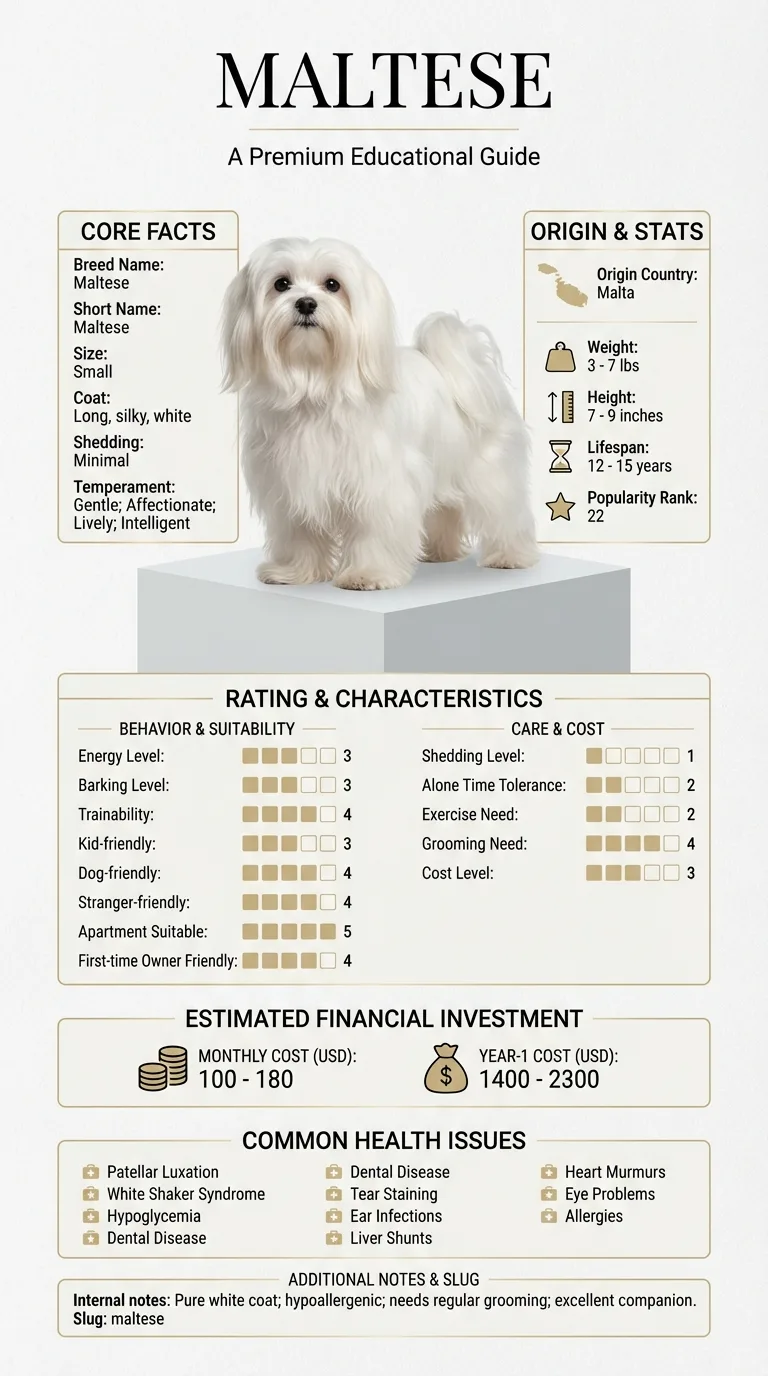
The treatment cost can range from $100 to $180 per month for medication and vet visits. Initial diagnostic tests may add to the costs, so budgeting for ongoing care is important. Always discuss costs and options with your vet.
While medication is often necessary to manage Maltese hypothyroidism, some owners explore dietary changes and supplements as supportive measures. However, always consult your vet before making any changes. They can help you create a plan tailored to your dog's needs.
Older Maltese dogs are more likely to develop hypothyroidism, as the risk increases with age. Regular veterinary check-ups are essential for early detection, especially in senior dogs. Early treatment can help manage the condition effectively.
Yes, there is evidence suggesting a genetic predisposition to hypothyroidism in Maltese. Responsible breeding practices can help reduce this risk. If you're considering a Maltese, choose a breeder who screens for health issues.
If your Maltese is diagnosed with hypothyroidism, follow your vet's treatment plan closely. Regular monitoring and medication adjustments may be needed. Additionally, maintain a healthy diet and exercise routine to support their overall well-being.
Keep up with your vet appointments, follow the medication schedule, and maintain a healthy diet for your Maltese.
Regularly monitoring your Maltese for changes in weight, energy levels, and behavior can help catch issues early. Aim for check-ins at least once a month.
A balanced diet rich in nutrients and low in fillers is ideal. Consult your vet for specific recommendations based on your dog's needs.
Yes, training can provide mental stimulation and help with behavior issues. Gentle, consistent training methods work best for Maltese dogs.
Try hiding the medication in food or using a pill pocket. If that doesn’t work, consult your vet for alternatives.
A one-page prep sheet for this condition: the signs, the questions to ask, what to get priced. Unlocks here.
You get: Vet visit prep sheet
No spam. One-click unsubscribe. See our privacy policy.
Preview page 1 before you decide.