Health
Does pancreatitis always lead to diabetes?
No, most dogs recover fully, but recurrent episodes over years carry a higher cumulative risk, especially in senior dogs.

Quick answer
Does pancreatitis always lead to diabetes?
No, most dogs recover fully, but recurrent episodes over years carry a higher cumulative risk, especially in senior dogs.
Each pancreatitis flare that heals still leaves a little less functional tissue behind — and that tissue includes the cells that make insulin.
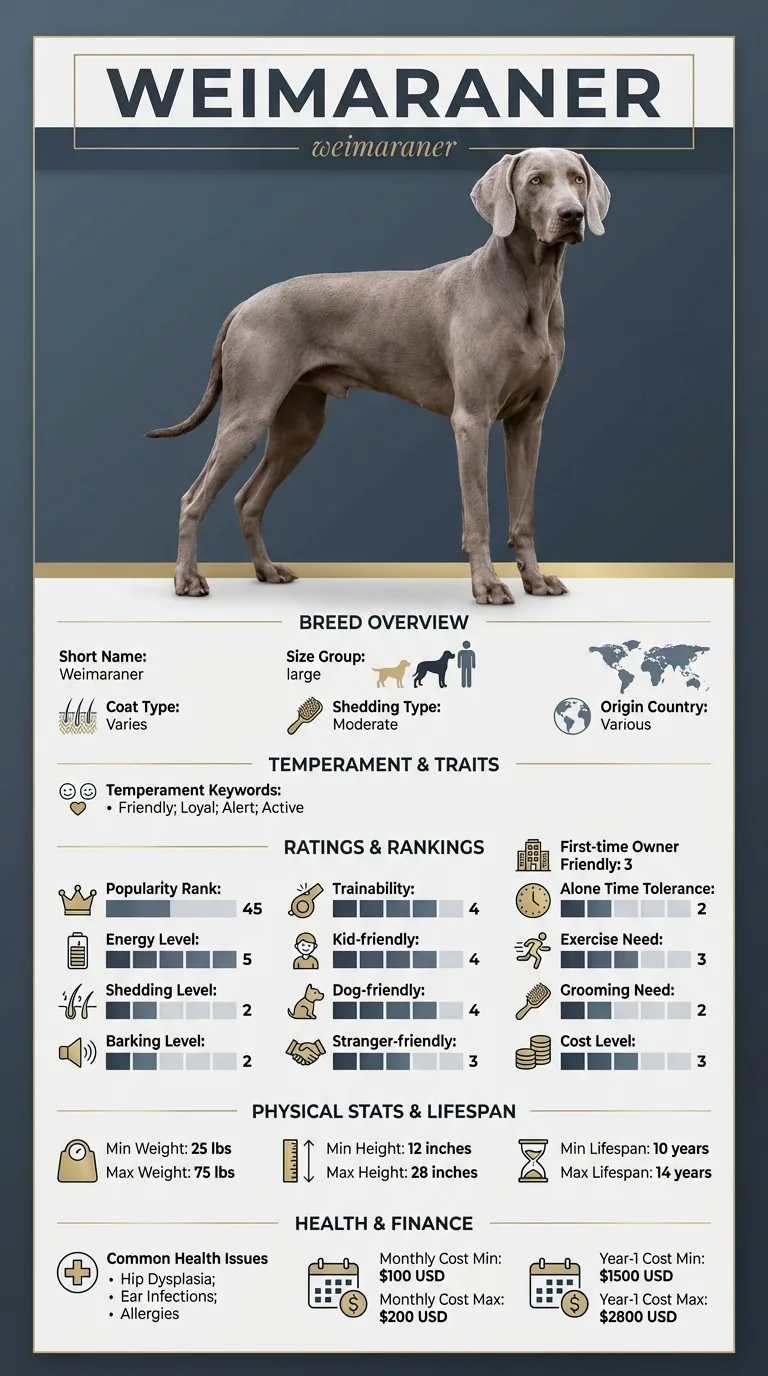
This specifically concerns owners of senior Weimaraners with a history of one or more prior pancreatitis episodes, since the connection to diabetes is a cumulative, longer-term risk rather than a first-episode concern.
This guide is not medical advice. If your dog shows pain, sudden behavior change, or worsening symptoms, consult a licensed veterinarian.
Some links may be affiliate links. We may earn a commission at no extra cost to you. We only suggest products we believe are helpful for dog owners.
We research and check what we publish, but we do not warrant that any figure, date, price, or statement is accurate, complete, or current, and we accept no liability for any loss, cost, injury, or other harm arising from the use of this site. Use it as one reference among several. You remain responsible for your own decisions and for your dog's care - confirm anything that matters with a licensed veterinarian or another qualified professional before you act on it. Full disclaimer.
Recurrent pancreatitis over a dog's lifetime can progressively damage the same pancreatic tissue responsible for producing insulin, creating a meaningful long-term diabetes risk in senior dogs with a history of multiple flares. This is a cumulative connection rather than a first-episode concern, and daily management once diabetes develops centers on insulin therapy and a consistent diet.
This specific pancreatitis-to-diabetes pathway is a recognized but less universally discussed connection compared to either condition individually, and it's most relevant for senior dogs with a documented history of recurrent pancreatitis rather than a concern for dogs with no such history.
This connection isn't tied to a specific Weimaraner physical trait, but the breed's often food-motivated, opportunistic nature can increase real-world exposure to the fatty food triggers that drive pancreatitis flares in the first place, indirectly raising the cumulative lifetime risk that feeds into this pathway.
Repeated exposure to pancreatitis triggers like fatty table scraps, combined with excess weight, compounds the cumulative pancreatic damage over a dog's lifetime, making household food management relevant not just for preventing a single flare but for reducing this longer-term risk as well.
Discuss long-term monitoring with your vet if your dog has a history of recurrent pancreatitis, especially as they enter their senior years. See a vet promptly for increased thirst, urination, or weight loss, and seek emergency care for severe lethargy, vomiting, or collapse in a dog with known diabetes.
See all Weimaraner health problems, which breeds are prone to pancreatitis diabetes, or the full Weimaraner breed guide for temperament, exercise needs and ownership costs.
This connection develops over years rather than a single episode, so there's no fixed timeline for when, or whether, it occurs. Once diabetes is diagnosed, initial insulin dose adjustment typically takes a few weeks of monitoring before stabilizing.
Success looks like reducing pancreatitis recurrence through consistent diet management, and if diabetes does develop, achieving stable blood sugar control through a consistent daily routine that keeps the dog comfortable and energetic in its senior years.
The pancreas has two distinct jobs: producing digestive enzymes and producing insulin, the hormone that regulates blood sugar. These functions happen in different types of cells within the same organ, but repeated episodes of pancreatitis, with inflammation and self-digestion of pancreatic tissue, can progressively damage both types of cells over time, not just the ones involved in digestion.
This is why a dog with a history of multiple pancreatitis flares carries meaningfully higher long-term diabetes risk than a dog who's never had the condition. It's not that every case of pancreatitis leads to diabetes — many dogs recover fully with no lasting endocrine effect — but recurrent damage accumulating over years is a recognized pathway toward reduced insulin production, particularly by the time a dog reaches its senior years.
Diabetes in dogs is managed with insulin therapy prescribed and dosed by your vet, given on a consistent daily schedule tied to meal times, along with a consistent diet, since fluctuations in food intake directly affect blood sugar control. Regular monitoring, including periodic blood glucose curves and follow-up bloodwork, helps your vet fine-tune the insulin dose over time as needs shift.
For a dog managing both a history of pancreatitis and now diabetes, diet plays a genuinely dual role: a low-fat diet to reduce ongoing pancreatitis risk, combined with a consistent feeding schedule to support stable blood sugar control. This overlap actually simplifies the practical routine somewhat, since many of the same dietary habits that help one condition support the other, but it does mean less room for flexibility around treats or feeding times than an owner might be used to.

Greta had two separate pancreatitis flares in her life, one at age five after getting into a trash can, another at age eight following a rich holiday meal. Both times she recovered fully, and her owner Odin assumed that was the end of it. At age eleven, Odin noticed Greta drinking noticeably more water and losing weight despite a hearty appetite. Bloodwork confirmed diabetes. Her vet explained the possible connection to her pancreatitis history, and Odin started daily insulin injections alongside Greta's existing low-fat diet, which needed only minor adjustment since it already supported consistent, controlled meals. A few dose adjustments later, Greta's blood sugar stabilized, and she remained active and food-motivated as ever, just on a stricter schedule.
Key takeaway: A history of recurrent pancreatitis is worth mentioning at senior wellness visits even years later — it's a genuine risk factor for diabetes that's easy to overlook once the original flares seem like old news.
No, many dogs recover fully from pancreatitis with no lasting effect on insulin production. The connection to diabetes is more relevant for dogs with recurrent episodes over time, particularly by their senior years.
The pancreas produces both digestive enzymes and insulin, in different cell types within the same organ. Repeated inflammation and tissue damage from recurrent pancreatitis can progressively affect both functions, not just digestion.
Increased thirst and urination, weight loss despite normal or increased appetite, and sometimes lethargy are common early signs, similar to some other senior-year conditions, which is why bloodwork is used to confirm the diagnosis.
Through bloodwork showing elevated blood glucose along with glucose in the urine, sometimes requiring repeat testing to distinguish true diabetes from temporary stress-related elevation.
Yes, many dogs are managed successfully for years with daily insulin therapy, a consistent diet, and regular monitoring, though it requires real day-to-day commitment from the owner.
Generally not — a low-fat diet that helps prevent pancreatitis flares tends to align well with a consistent, controlled diet that supports stable blood sugar, though your vet can tailor specifics to your dog's exact situation.
It's reasonable to think that reducing the frequency and severity of pancreatitis flares, through diet and trigger avoidance, would reduce cumulative pancreatic damage over time, which is part of why consistent long-term management after a flare matters.
No, most dogs recover fully, but recurrent episodes over years carry a higher cumulative risk, especially in senior dogs.
Increased thirst and urination and weight loss despite normal appetite are common early signs, confirmed with bloodwork.
With daily insulin therapy, a consistent diet and feeding schedule, and regular blood glucose monitoring adjusted over time.
Generally yes, a low-fat, consistent diet tends to support both pancreatitis prevention and stable blood sugar control.
Yes, it requires ongoing daily management, though many dogs are managed successfully for years with consistent care.
A one-page prep sheet for this condition: the signs, the questions to ask, what to get priced. Unlocks here.
You get: Vet visit prep sheet
No spam. One-click unsubscribe. See our privacy policy.
See a sample page before you decide.
Early access list
The free prep sheet covers the same-day warning signs, a symptom log and the questions to ask. We are considering a fuller kit that adds a cost worksheet for the usual tests and treatments (US price ranges with their sources) and a plain-English guide to ways of covering the bill. It is not built yet; this list tells us whether it is worth building.
One email, no spam, unsubscribe anytime. Information only, not veterinary advice.