Behavior
What are quick tips for Shiba Inu neurologic disease?
Maintain a calm environment, provide a healthy diet, and monitor behavior changes closely.

Quick answer
What are quick tips for Shiba Inu neurologic disease?
Maintain a calm environment, provide a healthy diet, and monitor behavior changes closely.
Shiba Inu neurologic disease can significantly impact your dog's health and behavior. Recognizing the signs early is crucial for effective management.
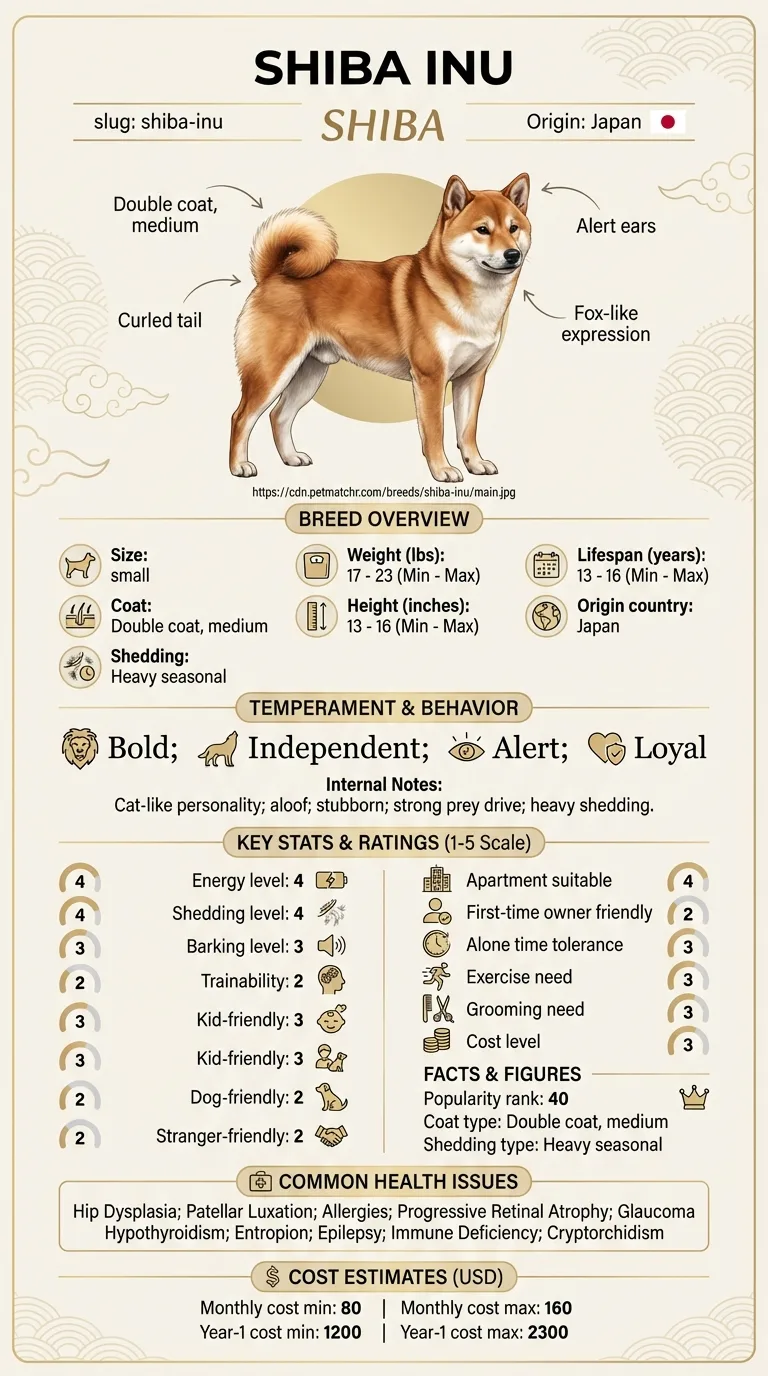
Many Shiba Inu owners face challenges with neurologic disease, especially those who may be first-time pet parents or those unaware of breed-specific health risks.
This guide is not medical advice. If your dog shows pain, sudden behavior change, or worsening symptoms, consult a licensed veterinarian.
Some links may be affiliate links. We may earn a commission at no extra cost to you. We only suggest products we believe are helpful for dog owners.
We research and check what we publish, but we do not warrant that any figure, date, price, or statement is accurate, complete, or current, and we accept no liability for any loss, cost, injury, or other harm arising from the use of this site. Use it as one reference among several. You remain responsible for your own decisions and for your dog's care - confirm anything that matters with a licensed veterinarian or another qualified professional before you act on it. Full disclaimer.
Check this first
Recognizing when Shiba Inu neurologic disease becomes an emergency is crucial for your pet's well-being. There are clear signs that mean you should call your vet immediately, as well as milder symptoms that can be monitored at home. Understanding these differences can help you respond effectively.
If any of these apply, call your vet or an emergency clinic now. The rest of this page is for the cases that are not an emergency.
Shiba Inus can face neurologic disease, which significantly affects their daily lives. This condition may manifest as unusual behavior, difficulty in movement, or seizures. Owners might notice their Shiba Inu becoming less responsive, struggling with coordination, or experiencing sudden mood changes.
Neurologic disease is more common in Shiba Inus, with studies showing a 291% higher risk compared to other breeds. Awareness of this issue is crucial for Shiba Inu owners, as early detection can lead to better management.
Shiba Inus can inherit certain genetic traits that predispose them to neurologic diseases. Their small size and unique structure may also make them more susceptible to specific health issues. These factors can lead to neurological conditions that affect their behavior and health.
Environmental factors such as poor diet, lack of exercise, or exposure to toxins can also contribute to neurologic diseases in Shiba Inus. Stressful living conditions, like a noisy home or insufficient mental stimulation, may exacerbate these issues. Additionally, any recent changes in routine or environment can trigger anxiety-related neurologic symptoms.
It's crucial to speak with a vet if you notice severe symptoms such as seizures, loss of coordination, or significant personality changes. A vet can perform necessary tests to rule out serious conditions and recommend treatments. Early intervention is key to managing neurologic diseases effectively.
Addressing Shiba Inu neurologic disease can be challenging. Here are common mistakes that may inadvertently worsen the situation, along with safer alternatives.
Start here: Shiba Inu Most Common Genetic Disorders: What to Screen For
See all Shiba INU health problems, which breeds are prone to neurologic disease, or the full Shiba INU breed guide for temperament, exercise needs and ownership costs.
Expect to see noticeable progress within 3 to 6 months of consistent care and vet consultations.
Success looks like improved behavior, decreased anxiety, and a better overall quality of life for your Shiba Inu.
If your Shiba Inu exhibits any of the following red-flag signs, seek veterinary care immediately: - Sudden loss of coordination or balance. - Severe seizures that last longer than a few minutes or occur in clusters. - Unconsciousness or extreme lethargy. - Sudden changes in behavior, such as aggression or extreme anxiety. - Difficulty breathing or any signs of distress.

For milder symptoms, you can monitor your Shiba Inu at home. These might include: - Occasional mild tremors or twitches. - Slight changes in appetite or energy levels. - Temporary disorientation that resolves itself. - Minor behavioral changes without severe aggression or anxiety. - Light sensitivity without significant distress.

When Sarah adopted Bella, her Shiba Inu, she quickly noticed signs of neurologic disease, like unsteady movements and anxiety. After a vet diagnosis, Sarah committed to a structured training routine and regular vet check-ups. Over six months, Bella showed improvement in her confidence and mobility through positive reinforcement and patience.
Key takeaway: With dedication and the right support, you can help your Shiba Inu manage neurologic disease and improve their happiness.
Shiba Inus can develop neurologic diseases due to various factors, including genetics, age, and environmental stressors. Regular vet check-ups can help identify any early signs of these conditions. If you notice unusual behavior or mobility issues, consult your veterinarian for a thorough examination.
While you can't always stop neurologic diseases in Shiba Inus, early detection and proper care can significantly help. Ensure your dog receives a balanced diet, regular exercise, and mental stimulation. Consult a vet for specific treatments or medications that may alleviate symptoms.
Training for dogs with neurologic disease should focus on positive reinforcement and patience. Use simple commands and short training sessions to avoid overwhelming your Shiba Inu. Consider engaging a professional trainer with experience in handling dogs with special needs.
Yes, some neurologic diseases can be hereditary in Shiba Inus. It's important to be aware of your dog's lineage and consult with breeders about any known health issues. Regular health screenings can also help identify potential genetic problems.
Early signs of Shiba Inu neurologic disease may include changes in behavior, difficulty with coordination, or unusual movements. If you notice these symptoms, it’s important to consult your vet as soon as possible for a thorough evaluation.
Yes, older Shiba Inus may exhibit more pronounced symptoms due to age-related factors. They might experience slower recovery times, making it crucial to monitor their health closely and adjust their care as needed.
To help your Shiba Inu cope with anxiety related to neurologic disease, consider providing a calm environment and engaging in gentle, reassuring activities. Training techniques that focus on positive reinforcement can also be beneficial.
While the specific causes of Shiba Inu neurologic disease aren't fully understood, genetics can play a role. If you have concerns about hereditary conditions, discussing your dog’s family history with a vet can provide useful insights.
If your Shiba Inu experiences seizures, it's crucial to keep them safe and calm. Document the frequency and duration of the seizures and contact your vet immediately for guidance on diagnosis and treatment options.
Maintain a calm environment, provide a healthy diet, and monitor behavior changes closely.
Use calming aids, establish a routine, and consider training focused on positive reinforcement.
Separation anxiety and stubbornness are common. Consistent training helps manage these issues.
A one-page prep sheet for this condition: the signs, the questions to ask, what to get priced. Unlocks here.
You get: Vet visit prep sheet
No spam. One-click unsubscribe. See our privacy policy.
Preview page 1 before you decide.