Behavior
What are quick tips for Miniature Schnauzer neurologic disease?
Keep your Miniature Schnauzer in a safe space and maintain a consistent routine. Regular vet visits are crucial for monitoring their health.

Quick answer
What are quick tips for Miniature Schnauzer neurologic disease?
Keep your Miniature Schnauzer in a safe space and maintain a consistent routine. Regular vet visits are crucial for monitoring their health.
Miniature Schnauzer neurologic disease can be a serious concern for owners, as it affects their beloved pets' health and quality of life.
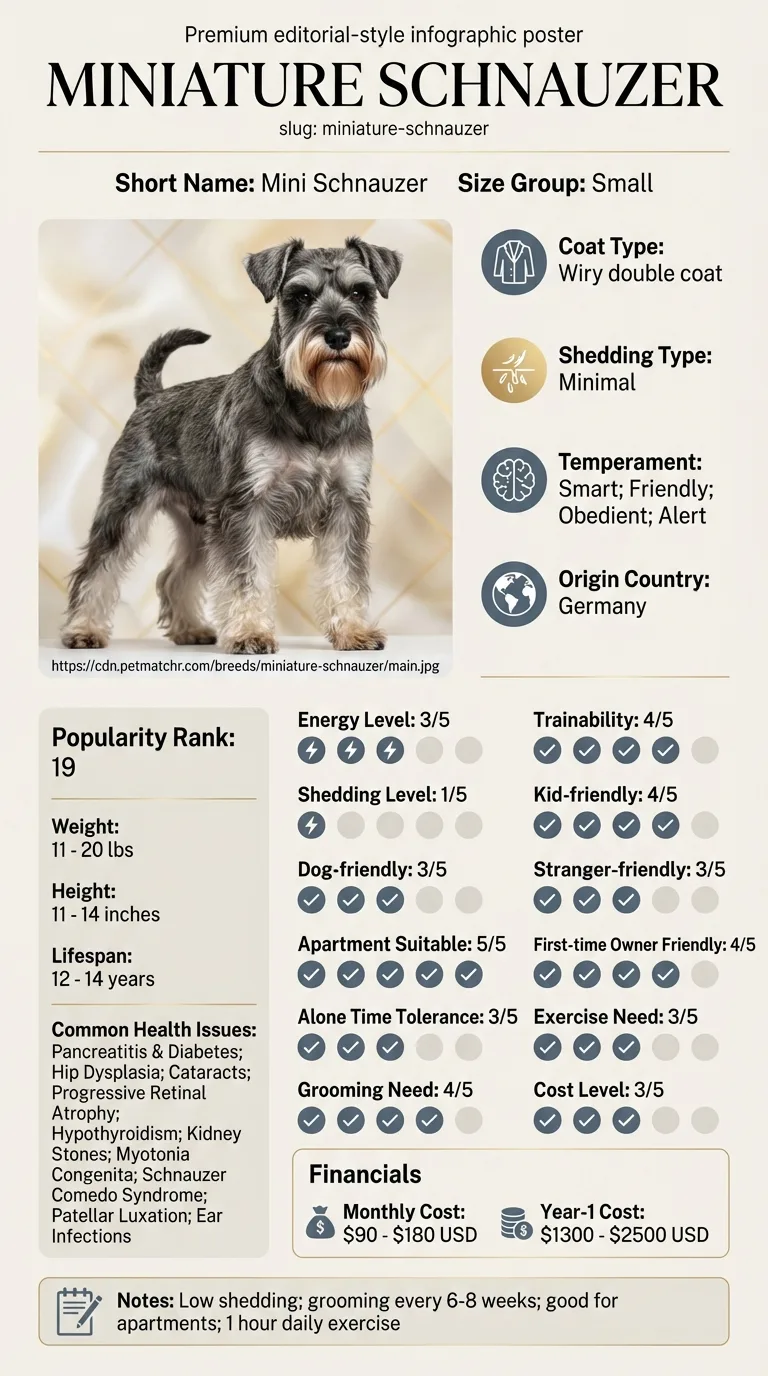
Owners of Miniature Schnauzers, especially those who are first-time dog parents or busy families, often struggle with understanding this neurologic disease. They may feel overwhelmed and unsure about how to provide the best care for their furry friends.
This guide is not medical advice. If your dog shows pain, sudden behavior change, or worsening symptoms, consult a licensed veterinarian.
Some links may be affiliate links. We may earn a commission at no extra cost to you. We only suggest products we believe are helpful for dog owners.
We research and check what we publish, but we do not warrant that any figure, date, price, or statement is accurate, complete, or current, and we accept no liability for any loss, cost, injury, or other harm arising from the use of this site. Use it as one reference among several. You remain responsible for your own decisions and for your dog's care - confirm anything that matters with a licensed veterinarian or another qualified professional before you act on it. Full disclaimer.
Check this first
Call your vet immediately if you notice any of the following red flags: sudden loss of coordination, seizures, severe lethargy, or sudden changes in behavior. These signs indicate a severe neurologic issue that needs urgent medical evaluation. Don't wait, as early intervention can significantly impact your dog's outcome.
On the other hand, if your Miniature Schnauzer is showing mild symptoms like occasional wobbliness, slight disorientation, or minor behavioral changes, you can monitor them at home. Keep a close eye on their condition and maintain a log of any changes. If symptoms persist or worsen, consult your veterinarian for further advice.
It's essential to create a plan for your dog's care. Make sure you have access to your vet's contact information and keep a detailed record of any symptoms you notice. This can help your vet make an informed decision about the best course of action. Remember, while some symptoms may seem mild, it's always better to err on the side of caution.
If any of these apply, call your vet or an emergency clinic now. The rest of this page is for the cases that are not an emergency.
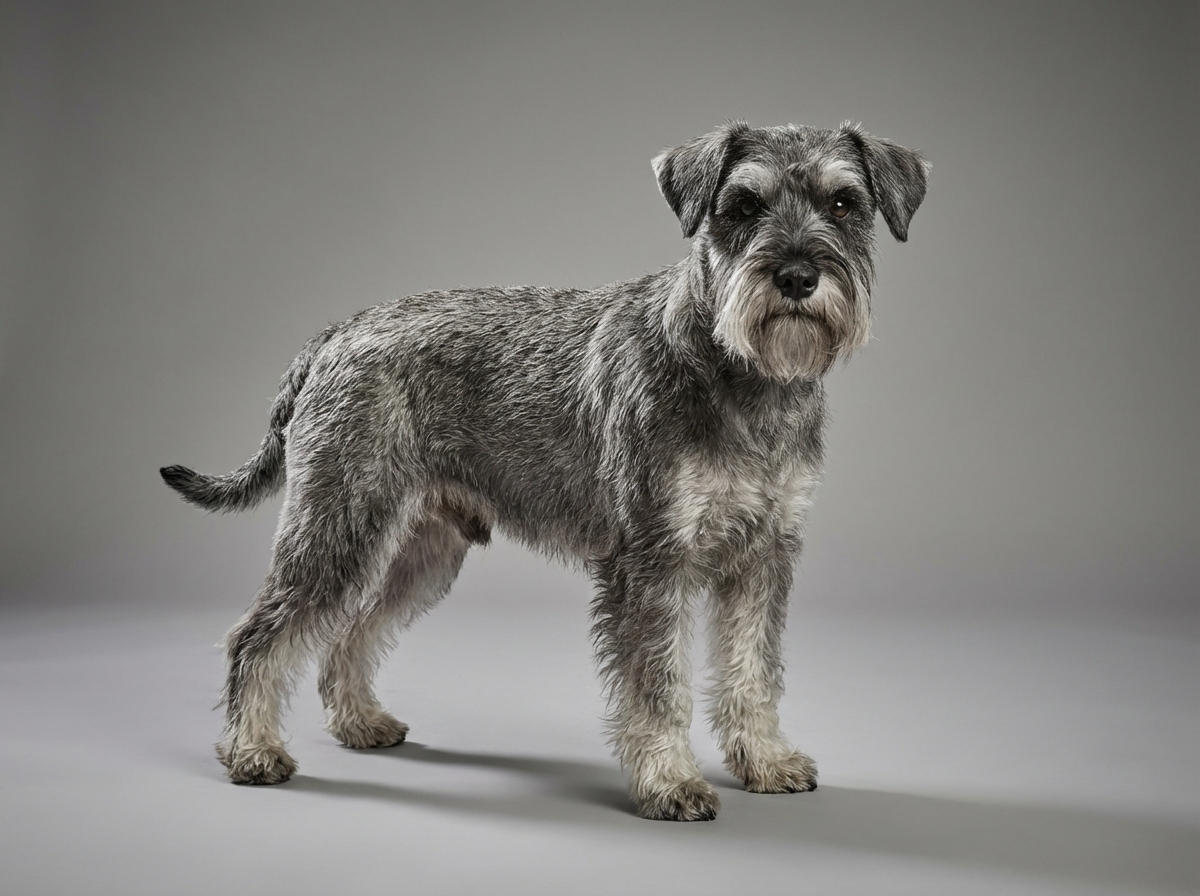
The Miniature Schnauzer neurologic disease can present as unusual behavior, difficulty in movement, or coordination issues. Daily life with a Mini Schnauzer suffering from this condition may involve watching for sudden changes in balance or tremors. This disease can be particularly concerning as it affects their quality of life and can be distressing for owners.
Neurologic disease is significantly more common in Miniature Schnauzers, with studies showing they are at a 291% higher risk compared to other breeds. This makes it essential for owners to be vigilant about their dog's health.
Miniature Schnauzers may be more prone to neurologic disease due to genetic factors. Certain inherited conditions can affect their nervous system, leading to symptoms of neurologic disease. This breed’s lineage can contribute to a higher risk of specific health issues compared to other breeds.
Environmental factors can also play a significant role. Stressful situations, lack of mental stimulation, or inadequate exercise can exacerbate neurologic conditions. Additionally, poor nutrition or exposure to toxins in the home may negatively impact their neurological health.
If your Miniature Schnauzer shows persistent signs of neurologic disease, such as seizures, disorientation, or changes in behavior, consult your veterinarian. Early intervention is crucial for managing neurologic conditions and ensuring the best quality of life for your dog.
Avoiding common pitfalls can help your Miniature Schnauzer manage neurologic disease better. Here are some mistakes to steer clear of.
Start here: Miniature Schnauzer Most Common Genetic Disorders: Screening
See all Miniature Schnauzer health problems, which breeds are prone to neurologic disease, or the full Miniature Schnauzer breed guide for temperament, exercise needs and ownership costs.
It may take several weeks to months to see improvement in your Miniature Schnauzer's neurologic condition with consistent care and follow-up with your vet.
Success looks like your dog showing improved mobility and behavior, as well as a better quality of life overall.
Sarah, a nurse in a bustling city, noticed her Miniature Schnauzer, Max, was having trouble with balance and coordination. After a vet visit, she learned about neurologic disease and felt overwhelmed. With a prescribed treatment plan and some training techniques, Sarah dedicated time each day to help Max regain his strength. Slowly, she saw improvements in his movements and even his mood. They created a routine that included gentle exercises and mental stimulation that worked wonders for both of them.
Key takeaway: Consistency and patience are crucial when managing Miniature Schnauzer neurologic disease. With the right approach, you can significantly improve your dog's quality of life.
Neurologic disease in Miniature Schnauzers can occur due to genetic factors, age, or underlying health issues. It's essential to observe any unusual behavior and consult a vet for a proper diagnosis and treatment plan. This answer relates to Miniature Schnauzer neurologic disease.
Supporting a Miniature Schnauzer with neurologic disease involves providing a safe environment and following a vet's recommendations. Regular vet visits and a tailored treatment plan can help manage symptoms effectively.
Common signs include seizures, difficulty walking, or unusual behavior changes. If you notice any of these symptoms, schedule a vet appointment to discuss potential neurologic issues.
Training can be beneficial, especially if your Miniature Schnauzer is still responsive. Focus on gentle, positive reinforcement techniques that help reinforce basic commands and provide mental stimulation.
Early signs of neurologic disease in a Miniature Schnauzer may include changes in behavior, difficulty with coordination, and trouble walking. You might notice your dog stumbling or having unusual head tilts. If you see any of these symptoms, consult your vet promptly.
Yes, older Miniature Schnauzers may experience neurologic disease symptoms more severely due to age-related health issues. Their bodies may not handle treatments as well, so monitoring their health closely is crucial. Always consult your vet for the best course of action if your older dog shows signs of illness.
Creating a safe environment is key for a Miniature Schnauzer with neurologic disease. Remove obstacles that could cause falls and provide a comfortable resting area. Consistent training and gentle exercise can also help maintain their mobility and mental health.
Certain types of neurologic diseases can have a genetic component in Miniature Schnauzers. If your dog has a family history of neurologic issues, it's essential to discuss this with your vet. They may recommend regular check-ups to monitor your dog's health.
If you suspect your Miniature Schnauzer has neurologic disease, make an appointment with your vet as soon as possible. Early diagnosis can lead to better management of the condition. Your vet may suggest tests to determine the specific issue and recommend a treatment plan.
Keep your Miniature Schnauzer in a safe space and maintain a consistent routine. Regular vet visits are crucial for monitoring their health.
For ongoing neurologic issues, biannual vet visits are recommended to monitor their condition and adjust treatments as needed.
Yes, use gentle, positive reinforcement training to help stimulate their mind while being mindful of their limitations.
Expect monthly costs to increase due to medications and vet visits, averaging between $90 to $180 monthly.
A one-page prep sheet for this condition: the signs, the questions to ask, what to get priced. Unlocks here.
You get: Vet visit prep sheet
No spam. One-click unsubscribe. See our privacy policy.
Preview page 1 before you decide.