Behavior
What are quick tips for Yorkshire Terrier neurologic disease?
Monitor your dog's health closely and consult your vet if you notice unusual behaviors. Consistent training and a balanced diet can also help manage symptoms.

Quick answer
What are quick tips for Yorkshire Terrier neurologic disease?
Monitor your dog's health closely and consult your vet if you notice unusual behaviors. Consistent training and a balanced diet can also help manage symptoms.
Yorkshire Terrier neurologic disease can be a troubling issue for both pups and their owners. It affects their nervous system, leading to various symptoms that can disrupt their daily life.
Yorkshire Terrier owners, especially first-time dog parents or those living in urban settings, often face challenges with neurologic disease. Busy professionals or families may find it tough to notice subtle symptoms, which can lead to delays in care.
This guide is not medical advice. If your dog shows pain, sudden behavior change, or worsening symptoms, consult a licensed veterinarian.
Some links may be affiliate links. We may earn a commission at no extra cost to you. We only suggest products we believe are helpful for dog owners.
We research and check what we publish, but we do not warrant that any figure, date, price, or statement is accurate, complete, or current, and we accept no liability for any loss, cost, injury, or other harm arising from the use of this site. Use it as one reference among several. You remain responsible for your own decisions and for your dog's care - confirm anything that matters with a licensed veterinarian or another qualified professional before you act on it. Full disclaimer.
Check this first
Recognizing when your Yorkshire Terrier is facing a neurologic disease crisis can be critical. If you notice any of the following red-flag signs, call your vet immediately. Symptoms like sudden seizures, severe disorientation, inability to walk, or loss of consciousness indicate urgent care is needed.
These situations can escalate quickly, and professional help is essential.
On the other hand, there are mild cases that can be monitored. If your Yorkie shows slight wobbling while walking, occasional tremors, or minor behavioral changes, you may not need to rush to the vet. Instead, keep a close eye on your dog and document any changes.
Set a plan to monitor their condition over a few days, and schedule an appointment if symptoms persist or worsen. Always trust your instincts as a pet owner; if you're unsure, it's better to consult your vet sooner rather than later.
If any of these apply, call your vet or an emergency clinic now. The rest of this page is for the cases that are not an emergency.
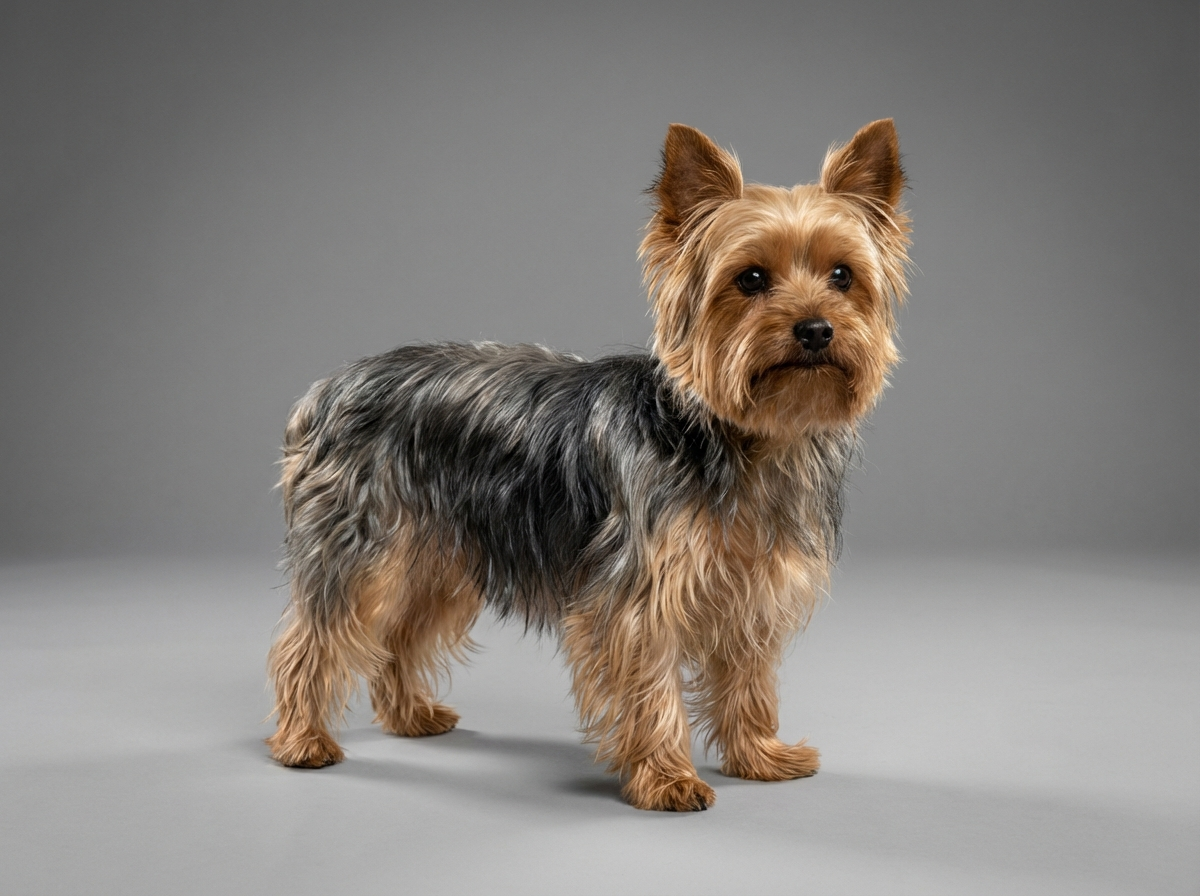
Yorkshire Terrier neurologic disease can manifest as tremors, weakness, or behavioral changes in your pet. This problem often appears suddenly, leaving owners feeling confused and concerned. These small dogs are particularly vulnerable, facing a 291% higher risk of neurologic issues compared to other breeds.
Neurologic disease is not uncommon in Yorkshire Terriers. Many owners report noticing symptoms in their pets, especially as they age. Regular vet check-ups can help catch these issues early.
Yorkshire Terriers may be more prone to neurologic diseases due to their genetic makeup. Their small size and delicate structure can contribute to various health issues, including neurological ones. Additionally, certain inherited conditions can increase their risk.
Environmental factors such as stress, poor diet, and lack of mental stimulation can also lead to neurologic problems. A chaotic home life or insufficient exercise may exacerbate these issues. It's important to create a stable and enriching environment for your Yorkie.
Consult your vet if you notice persistent symptoms like seizures, lethargy, or unusual behavior. Early intervention is crucial for neurologic diseases. Your vet can recommend tests and treatments to manage your Yorkie's condition effectively.
Avoiding these common mistakes can help your Yorkshire Terrier manage neurologic disease more effectively.
Start here: Yorkshire Terrier Most Common Genetic Disorders: Screening
See all Yorkshire Terrier health problems, which breeds are prone to neurologic disease, or the full Yorkshire Terrier breed guide for temperament, exercise needs and ownership costs.
It may take several weeks to a few months to see improvements in your Yorkshire Terrier with neurologic disease. Consistent care and guidance from a vet are essential.
Success means your Yorkie shows improved coordination, reduced anxiety, and behaves more comfortably in their environment. Regular vet check-ups and tailored training will help track progress.
When Sarah adopted Bella, her Yorkshire Terrier, she noticed Bella had trouble with balance and coordination. After a vet diagnosed her with a neurologic disease, Sarah felt overwhelmed but determined to help her pup. With consistent training sessions focused on gentle exercises and a structured routine, Bella began to show signs of improvement in her coordination over a few months. Sarah also reached out to a local dog trainer who specialized in behavior problems, which helped Bella become more confident and less anxious around other dogs.
Key takeaway: Patience and support are crucial when managing a Yorkshire Terrier with neurologic disease. With the right training and veterinary support, positive changes are possible.
There can be various causes, including genetic factors, infections, or even environmental toxins. A veterinarian can help determine the root cause and suggest appropriate treatments.
Supportive care is essential. This may include a specialized diet, ensuring safety in the home, and engaging in gentle physical activity as advised by your vet.
Training can help improve your Yorkie's confidence and mental stimulation. Focus on positive reinforcement techniques to encourage good behavior.
Keep calm and ensure your dog's safety by moving objects away. Time the seizure and consult your vet immediately after.
Treatment options vary based on the underlying cause. Your vet may recommend medications, dietary changes, or rehabilitation therapies.
While not all neurologic diseases are preventable, maintaining good overall health through proper nutrition, regular vet visits, and exercise can help reduce risks.
Yes, older Yorkshire Terriers may show more severe symptoms due to age-related health decline. Regular vet check-ups become even more essential to monitor their condition and adjust care as needed.
Support includes providing a safe, comfortable environment and maintaining a consistent routine. Specialized training techniques may help manage their behavior and anxiety.
Positive reinforcement training is often effective. Focus on short, clear commands and be patient, as neurologic issues can affect their learning ability.
Monitor your dog's health closely and consult your vet if you notice unusual behaviors. Consistent training and a balanced diet can also help manage symptoms.
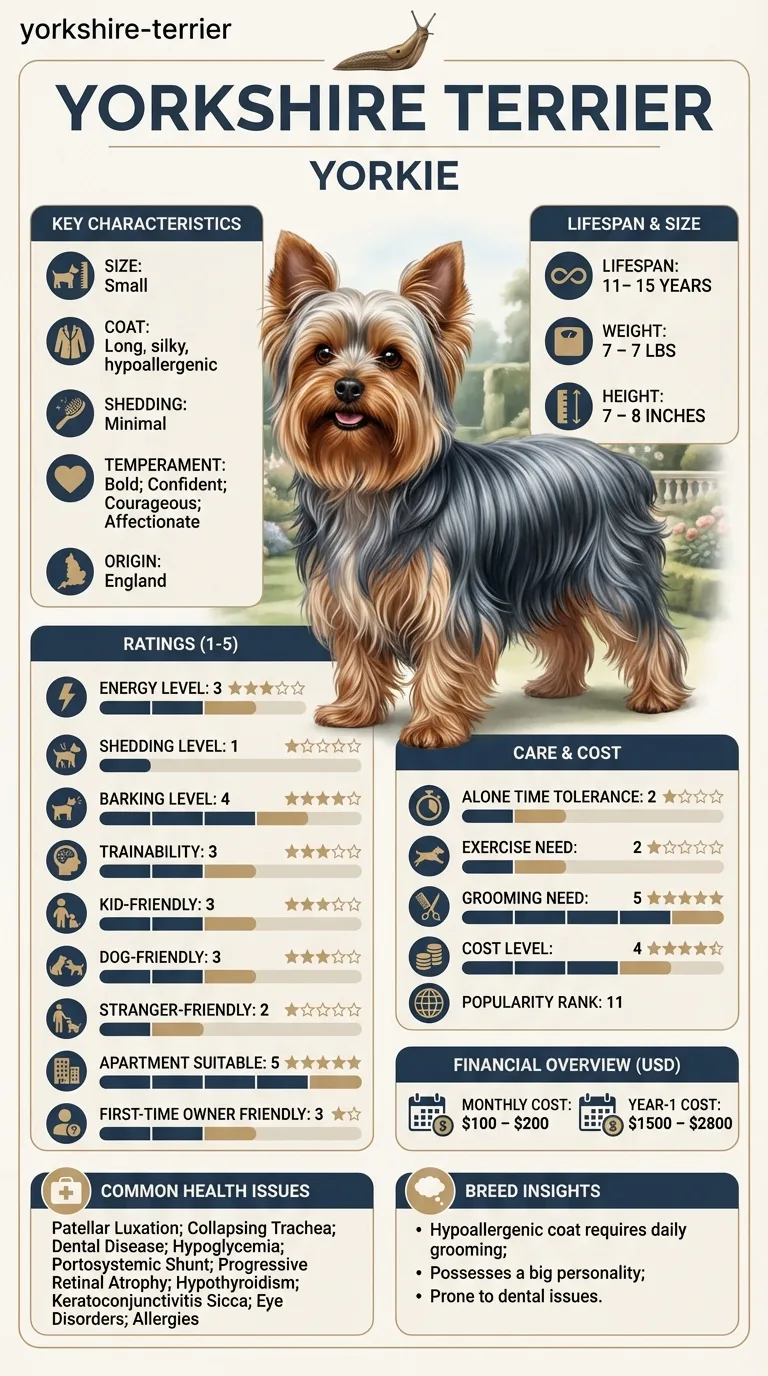
You can expect monthly costs between $100 and $200. This may increase depending on treatments and vet visits required for managing the disease.
Watch for sudden changes in behavior, mobility issues, or signs of pain. Early detection of neurologic disease can lead to better outcomes.
Yes, training can help provide mental stimulation and build confidence. Use positive reinforcement and be patient with your Yorkie's progress.
Absolutely. Minimizing stress through a stable routine and a calm environment can help manage symptoms and improve your dog's quality of life.
A one-page prep sheet for this condition: the signs, the questions to ask, what to get priced. Unlocks here.
You get: Vet visit prep sheet
No spam. One-click unsubscribe. See our privacy policy.
Preview page 1 before you decide.