Behavior
What are quick tips for managing Jack Russell Terrier neurologic disease?
Regular vet visits and a balanced diet are essential. Engage your dog in mental and physical activities to keep them stimulated.

Quick answer
What are quick tips for managing Jack Russell Terrier neurologic disease?
Regular vet visits and a balanced diet are essential. Engage your dog in mental and physical activities to keep them stimulated.
Jack Russell Terrier neurologic disease can significantly impact your dog's quality of life. It's crucial to recognize the signs and seek help.
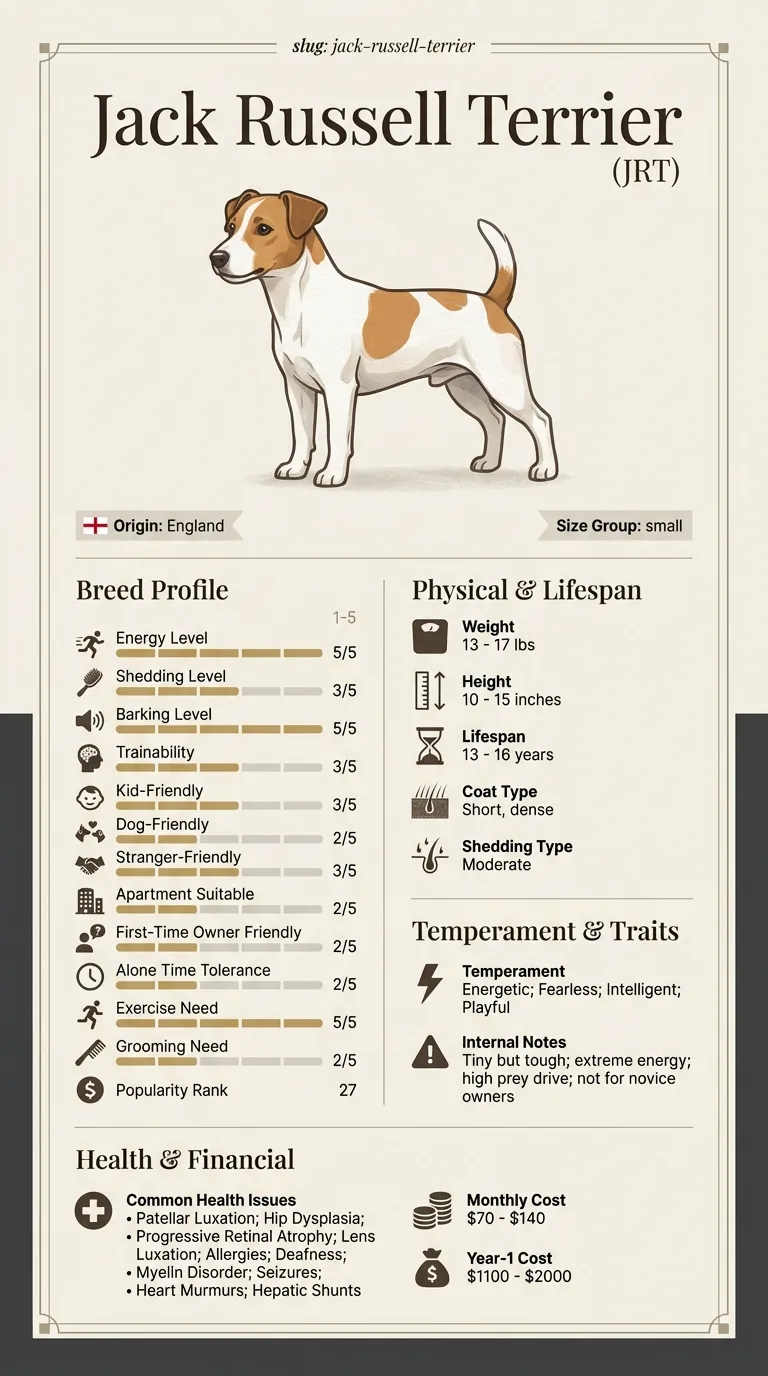
Typically, first-time dog owners and busy families may struggle with this issue, especially if they are unprepared for the complexities of managing a dog's health problems.
This guide is not medical advice. If your dog shows pain, sudden behavior change, or worsening symptoms, consult a licensed veterinarian.
Some links may be affiliate links. We may earn a commission at no extra cost to you. We only suggest products we believe are helpful for dog owners.
We research and check what we publish, but we do not warrant that any figure, date, price, or statement is accurate, complete, or current, and we accept no liability for any loss, cost, injury, or other harm arising from the use of this site. Use it as one reference among several. You remain responsible for your own decisions and for your dog's care - confirm anything that matters with a licensed veterinarian or another qualified professional before you act on it. Full disclaimer.
Check this first
If your Jack Russell Terrier exhibits severe symptoms like sudden seizures, loss of consciousness, or inability to stand, these are red flags. These signs mean you should call your vet immediately. Additionally, if your dog shows drastic behavioral changes, like aggression or extreme lethargy, these can also signal an urgent issue.
On the other hand, if your dog has mild symptoms, such as occasional shaking or minor coordination problems, you might be able to monitor them at home. Keep a close eye on their behavior and keep track of when these symptoms occur. Having a plan to observe and document changes can help your vet later.
In summary, severe symptoms mean it's time to act fast, but mild cases can often wait with careful observation. Always trust your instincts as a pet owner. If something feels off, it's better to err on the side of caution and seek veterinary advice.
If any of these apply, call your vet or an emergency clinic now. The rest of this page is for the cases that are not an emergency.
Jack Russell Terrier neurologic disease can manifest in various ways, often affecting their movement and behavior. Common signs include uncoordinated walking, tremors, and sudden changes in energy levels. This disease is distressing not just for your JRT but also for you, as you watch your lively companion struggle with everyday activities.
Neurologic disease is notably more prevalent in Jack Russell Terriers than in many other breeds, with a staggering 291% higher risk. This makes awareness and early detection crucial for effective management.
Jack Russell Terriers (JRTs) can be predisposed to certain neurologic diseases due to their genetic makeup. Breeds like JRTs may inherit conditions that affect their nervous system, leading to behaviors and symptoms that seem unusual. Conditions such as myelin disorder and seizures are particularly notable in this breed, making them vulnerable to neurologic issues.
Environmental factors can also play a big role in the development of neurologic disease in JRTs. Stressful situations, lack of mental stimulation, and poor nutrition can exacerbate existing issues or trigger new ones. Inadequate exercise and socialization can lead to anxiety, which might manifest as neurologic symptoms.
If you notice persistent symptoms such as seizures, disorientation, or changes in behavior, consult your vet. Early intervention is crucial in managing neurologic diseases effectively.
Avoiding these common mistakes can help improve your Jack Russell Terrier's neurologic disease situation.
Start here: Jack Russell Terrier Most Common Genetic Disorders
See all Jack Russell Terrier health problems, which breeds are prone to neurologic disease, or the full Jack Russell Terrier breed guide for temperament, exercise needs and ownership costs.
Managing Jack Russell Terrier neurologic disease can take several weeks to months of consistent care and veterinary follow-up. Improvement may be seen in phases, often requiring ongoing adjustments.
Success means noticeable improvements in behavior and health. This includes reduced symptoms, better responsiveness to commands, and an overall happier, more engaged dog.
Emily, a first-time dog owner in a bustling city, adopted Max, her energetic Jack Russell Terrier. Shortly after bringing him home, she noticed unusual behaviors, like sudden disorientation and tremors. After a vet visit, Emily learned about Jack Russell Terrier neurologic disease. Determined to help Max, she committed to a routine of specialized training and regular vet check-ups. With patience and support, Max began showing signs of improvement, actively engaging in play and responding better to cues. Emily found community support through online forums and local groups, helping her navigate this journey.
Key takeaway: Understanding the signs of neurologic disease and seeking timely help can lead to significant improvements in your dog's quality of life.
Jack Russell Terriers can be predisposed to neurologic diseases due to genetic factors and certain health conditions. Regular vet check-ups are crucial for early detection and management of any symptoms. Look for signs like seizures or coordination issues.
While you can't completely prevent neurologic disease, you can manage symptoms through a healthy diet and regular exercise. Keeping your dog mentally stimulated with training and play can also help. Consult your vet for specific training options.
Common signs include seizures, disorientation, and difficulty walking. You may also notice changes in behavior, such as increased anxiety or aggression. If you observe any of these symptoms, take your dog to the vet immediately.
Treatment varies based on the specific condition affecting your dog. Options may include medication to control seizures, dietary changes, or physical therapy. Always follow your veterinarian's recommendations for the best outcome.
Yes, some neurologic diseases can be hereditary in Jack Russell Terriers. It's important to research the lineage of your dog and be aware of any known health issues in their family. Regular health screenings can also help identify risks.
If you notice any unusual behavior or physical symptoms in your Jack Russell Terrier, such as seizures or coordination issues, it's essential to consult a veterinarian immediately. Early diagnosis can significantly improve treatment options and outcomes.
Neurologic diseases can occur at any age in Jack Russell Terriers, but older dogs may be at a higher risk. Keep an eye on senior dogs for signs of cognitive decline or mobility issues, and discuss any concerns with your vet.
While a balanced diet is crucial for overall health, specific nutritional deficiencies could contribute to neurologic issues. Consult with your vet about the best diet for your Jack Russell Terrier, especially if you have concerns about neurologic disease.
Supportive care is vital for dogs with neurologic disease. This can include medication, physical therapy, and modifications in their environment to ensure safety. Always work closely with your veterinarian for the best treatment plan.
Regular vet visits and a balanced diet are essential. Engage your dog in mental and physical activities to keep them stimulated.
Costs can vary widely, but expect to spend between $70 and $140 monthly for ongoing care. Initial diagnostics may add to costs.
Yes, Jack Russell Terriers are at a higher risk of certain neurologic diseases due to their genetics. Awareness is key for prevention.
Positive reinforcement training is effective. Focus on consistency and patience, adapting as needed for your dog's condition.
A one-page prep sheet for this condition: the signs, the questions to ask, what to get priced. Unlocks here.
You get: Vet visit prep sheet
No spam. One-click unsubscribe. See our privacy policy.
Preview page 1 before you decide.