Behavior
What are quick tips for managing Labradoodle neurologic disease?
Regular vet visits, a balanced diet, and mental stimulation through training can help manage symptoms. Be patient and adjust your dog's routine as needed.

Quick answer
What are quick tips for managing Labradoodle neurologic disease?
Regular vet visits, a balanced diet, and mental stimulation through training can help manage symptoms. Be patient and adjust your dog's routine as needed.
Labradoodle neurologic disease can be a serious concern for owners, affecting their beloved pets' health and behavior.
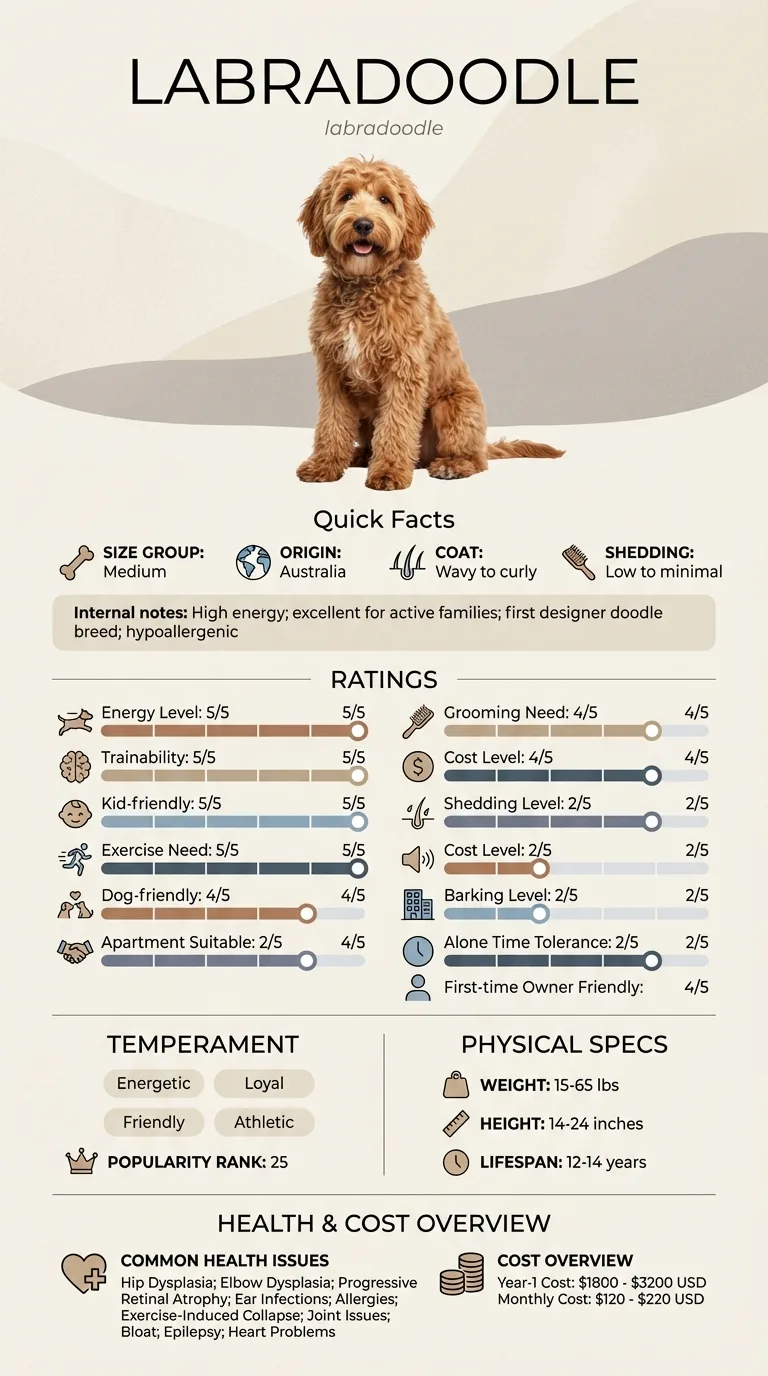
Owners who notice unusual behaviors, such as seizures or coordination issues, may feel overwhelmed. First-time dog owners or busy families may find it particularly challenging to navigate the complexities of this disease.
This guide is not medical advice. If your dog shows pain, sudden behavior change, or worsening symptoms, consult a licensed veterinarian.
Some links may be affiliate links. We may earn a commission at no extra cost to you. We only suggest products we believe are helpful for dog owners.
We research and check what we publish, but we do not warrant that any figure, date, price, or statement is accurate, complete, or current, and we accept no liability for any loss, cost, injury, or other harm arising from the use of this site. Use it as one reference among several. You remain responsible for your own decisions and for your dog's care - confirm anything that matters with a licensed veterinarian or another qualified professional before you act on it. Full disclaimer.
Check this first
Recognizing when your Labradoodle's neurologic disease requires urgent care is crucial. Some signs indicate an emergency where you should call your vet immediately. These include sudden loss of balance, seizures, or unresponsiveness. If you notice any of these symptoms, don’t wait. Get your dog to a vet right away.
On the other hand, there are milder cases that can be monitored at home. If your Labradoodle is showing slight behavioral changes like occasional disorientation or mild weakness, you may not need to rush to the vet. Instead, keep a close watch on your pup for any worsening symptoms. Make a plan to consult your vet if these signs persist or escalate.
Always trust your instincts. If something feels off with your dog, it's best to err on the side of caution. Being proactive can make a big difference in your Labradoodle's health.
If any of these apply, call your vet or an emergency clinic now. The rest of this page is for the cases that are not an emergency.
Labradoodle neurologic disease can significantly affect a dog's daily life. Symptoms may include uncoordinated movements, seizures, or changes in behavior. Common triggers might include stress, certain environmental factors, or even genetic predispositions linked to their breeding.
Neurologic disease is increasingly recognized in Labradoodles, with some studies indicating they have a 291% higher risk compared to other breeds. While not all Labradoodles will face this issue, awareness and early detection are crucial for managing health.
Labradoodles are prone to certain genetic conditions that can affect their nervous system. This includes issues like epilepsy and other inherited neurologic diseases. Their mixed breed background may also increase the likelihood of these health problems.
Environmental factors can contribute to neurologic disease as well. Poor nutrition, exposure to toxins, and inadequate mental stimulation can affect a Labradoodle's overall health, including their neurological function.
If you notice persistent changes in your Labradoodle's behavior, lack of coordination, or seizures, contact your vet immediately. Early intervention is crucial in managing neurologic diseases effectively.
Avoid these common mistakes to help improve your Labradoodle's neurologic disease symptoms.
Start here: Labradoodle Most Common Genetic Disorders: Screening
See all Labradoodle health problems, which breeds are prone to neurologic disease, or the full Labradoodle breed guide for temperament, exercise needs and ownership costs.
Managing Labradoodle neurologic disease can take several weeks to months of consistent medical care. Regular vet visits and adjustments to treatment may be needed.
Success means a noticeable reduction in symptoms, improved behavior, and a happier, more comfortable Labradoodle. The goal is to enhance their quality of life and help them manage their condition effectively.
Samantha, a busy nurse in Seattle, noticed her Labradoodle, Bella, acting strangely. Bella was experiencing seizures and other neurologic symptoms, leaving Samantha worried. After consulting with a vet, they adjusted Bella's diet and started a medication regimen. They also began a training program focused on anxiety reduction and behavior modification. With patience and consistency, Bella's symptoms improved significantly over a few months, allowing her to enjoy walks and playtime again.
Key takeaway: With the right support and a tailored approach, managing Labradoodle neurologic disease is possible, helping your dog lead a happier life.
Labradoodles can be prone to neurologic diseases due to genetic factors and breed-specific health issues. It's important to consult a veterinarian for a proper diagnosis and to understand the underlying causes specific to your dog.
Signs may include uncoordinated movements, seizures, or changes in behavior. If you notice any of these symptoms, contact your vet immediately for guidance.
Treatment options vary based on the specific disease and severity. Your vet may recommend medications, dietary changes, or even physical therapy to help manage symptoms.
Training can help improve your dog's quality of life by reinforcing positive behaviors and providing mental stimulation. However, it's essential to work with a professional trainer who has experience with neurologically impaired dogs.
Yes, certain neurologic diseases can be hereditary in Labradoodles. Responsible breeding practices can help reduce the risk, so always check the health history of the puppy's parents.
Create a safe, comfortable environment for your Labradoodle. Regular vet check-ups and a tailored care plan will help manage their health and provide the best support.
While you can't completely prevent neurologic diseases, maintaining a healthy diet, regular exercise, and routine veterinary care can significantly reduce risks. Early detection is key.
Early signs of neurologic disease in Labradoodles may include changes in behavior, coordination issues, or unusual movements. You might notice your dog having difficulty walking, stumbling, or being less active than usual. If you see these signs, it's essential to consult your vet for a thorough examination.
Management of neurologic disease in Labradoodles often depends on the specific condition diagnosed. Some cases may require medication, physical therapy, or lifestyle adjustments. Always work with your veterinarian to develop a treatment plan tailored to your dog's needs.
Older Labradoodles may experience more pronounced symptoms of neurologic disease due to age-related factors. They might have slower recovery times and may not tolerate certain treatments as well as younger dogs. Regular check-ups with your vet are crucial to monitor their health as they age.
If you suspect your Labradoodle has a neurologic disease, the best course of action is to schedule an appointment with your veterinarian as soon as possible. Early intervention can make a significant difference in managing symptoms and improving your dog's quality of life.
While not all neurologic diseases can be prevented, maintaining a healthy diet, regular exercise, and routine vet check-ups can help. Keeping your Labradoodle mentally stimulated and avoiding injury can also reduce the risk of developing some neurologic issues.
Regular vet visits, a balanced diet, and mental stimulation through training can help manage symptoms. Be patient and adjust your dog's routine as needed.
Treatment costs can vary widely, often ranging from $500 to $2,000 depending on the severity and type of care required. Always consult your vet for a detailed estimate.
Gentle exercises like leash walks and controlled play can help maintain mobility. Always discuss exercise plans with your vet to ensure safety.
If your Labradoodle experiences seizures, severe disorientation, or sudden behavioral changes, seek veterinary help right away.
A one-page prep sheet for this condition: the signs, the questions to ask, what to get priced. Unlocks here.
You get: Vet visit prep sheet
No spam. One-click unsubscribe. See our privacy policy.
Preview page 1 before you decide.