Health
What is the most serious eye trauma risk in this breed?
Proptosis, where the eye itself protrudes from its socket following significant trauma.

Quick answer
What is the most serious eye trauma risk in this breed?
Proptosis, where the eye itself protrudes from its socket following significant trauma.
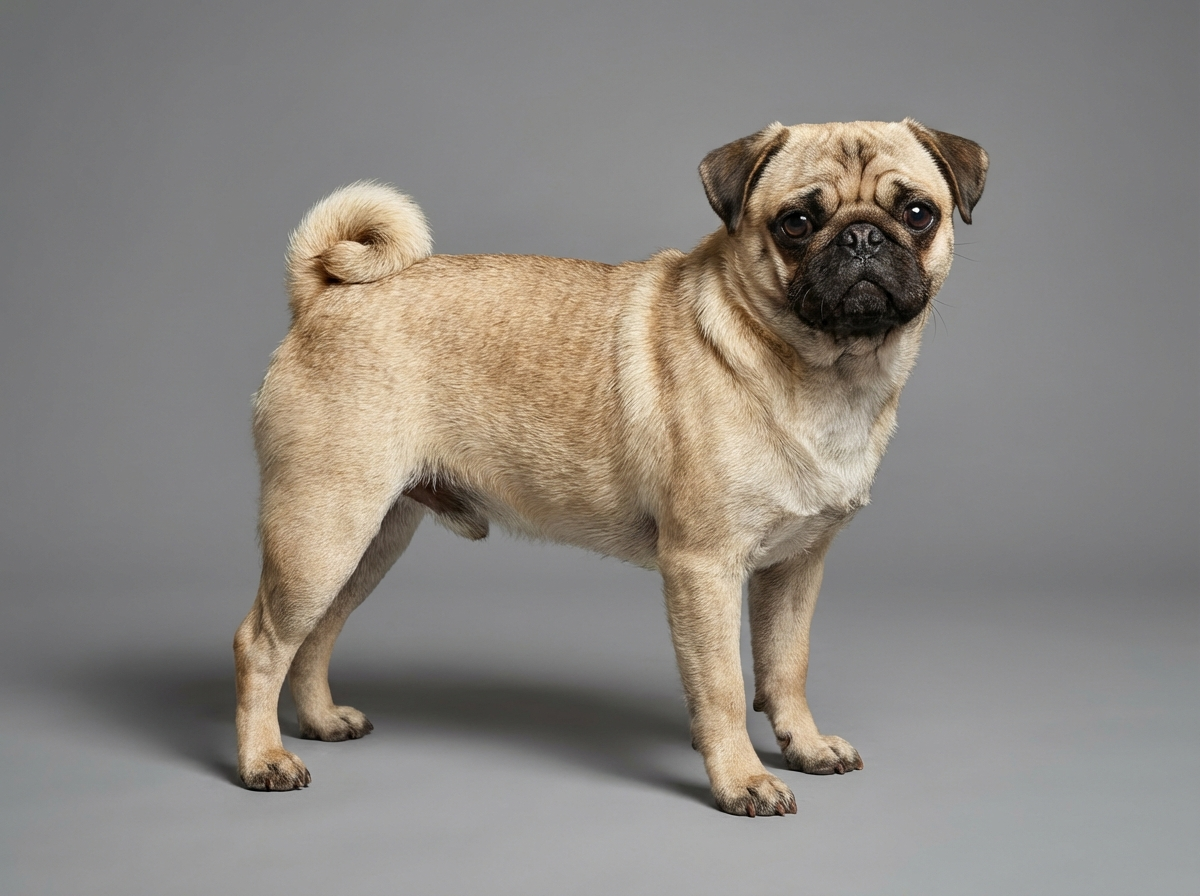
An eye that sits this far out in the world is more exposed to everyday bumps than most owners realize, until the day it isn't just a minor scratch.
This is relevant to every Pug owner, since the underlying anatomical risk applies broadly, but it's most urgent for owners of dogs in households with rough play, other larger pets, or young children, where accidental contact with the face is more likely.
This guide is not medical advice. If your dog shows pain, sudden behavior change, or worsening symptoms, consult a licensed veterinarian.
Some links may be affiliate links. We may earn a commission at no extra cost to you. We only suggest products we believe are helpful for dog owners.
Check this first
Proptosis is the medical term for the eye actually protruding forward out of its socket, usually following significant trauma, and it is considered a true ophthalmic emergency requiring immediate veterinary treatment. Breeds with shallow sockets and prominent eyes, Pugs included, are specifically documented as being at higher risk for this happening with less force than it would take in a deep-socketed breed. Immediate professional treatment, keeping the eye moist and protected on the way to the vet and pursuing emergency surgical repositioning, gives the best chance of saving the eye and its function, making speed genuinely critical if this ever occurs.
If any of these apply, call your vet or an emergency clinic now. The rest of this page is for the cases that are not an emergency.
This breed's shallow eye sockets and prominent eyes create elevated risk for mechanical eye injury, ranging from minor corneal scratches from everyday bumps to proptosis, where the eye protrudes from its socket following significant trauma, a true ophthalmic emergency needing immediate treatment.
Minor eye injuries are reported with some regularity in this breed given its shallow socket anatomy. Proptosis is less common but well documented as a specific, serious risk in breeds built this way, occurring with less force than in deep-socketed dogs.
The shortened muzzle defining this breed's facial structure results in shallow eye sockets that provide far less natural bony protection around the eye than a longer-muzzled breed has, directly raising the risk of both minor and severe traumatic injury.
Household hazards, low furniture, other pets, active children, all pose more direct risk to this breed's more exposed eyes than they would to a deep-socketed dog, making household awareness a meaningful part of injury prevention.
Seek immediate emergency care if your dog's eye appears to be protruding, bulging, or displaced from its normal position following any trauma. For a minor scratch or squinting after a bump, see a vet promptly, since even minor corneal injuries can worsen without proper treatment.
Start here: Pug Most Common Genetic Disorders: What to Screen For
See all PUG health problems, which breeds are prone to eye problems, or the full PUG breed guide for temperament, exercise needs and ownership costs.
A minor corneal scratch typically heals within a week or two with appropriate treatment. Proptosis requires same-day emergency surgical treatment, with outcomes for the eye's vision and function varying significantly based on how quickly treatment was received.
Success for minor injuries means full healing without complication; for the rare proptosis emergency, success means getting to treatment fast enough to give the eye and its function the best possible chance of being saved.
In a dog with a deeper eye socket and longer muzzle, the bony structure around the eye provides real physical protection, absorbing and deflecting everyday contact before it reaches the eye itself. This breed's shallow sockets offer much less of that natural buffer, meaning bumps that would be harmless in most dogs, brushing against furniture, contact during rough play, a swipe from another pet, carry real potential to scratch the cornea or, in more severe cases, cause enough force to actually displace the eye from its socket. This isn't a reason for excessive worry over every normal interaction, but it is a reason to take facial trauma in this breed more seriously than in a longer-muzzled dog.
If you think your Pug has eye problems, the plan is three steps: write down what you have seen and when it started, book a veterinary appointment rather than waiting for the next flare, and take video of the behaviour or symptom before you go — the thing you are worried about rarely happens in the consulting room. Screening in the parents covers brachycephalic airway syndrome (boas), pug dog encephalitis, corneal ulcers.
What the vet visit should produce is a diagnosis and a written plan, not just reassurance: what is being ruled out, what the monitoring interval is, and which signs mean you come back sooner. Ask what the treatment costs across a year rather than per visit, because that is the number that decides whether you are managing this condition or reacting to it.
Between appointments, keep a short log — dates, what you saw, what changed. It is the single most useful thing an owner brings to a follow-up, and for eye problems it is often what separates a clear pattern from a guess.
During an enthusiastic greeting, a larger family dog accidentally caught three-year-old Coco the Pug across the face with a paw. Coco immediately squinted and pawed at her eye. Rather than waiting to see if it improved, her owner brought her in the same day, where a vet found a corneal scratch, treated promptly with medication, that healed fully within ten days. Her owner said she hadn't previously realized how much more vulnerable Coco's eyes were compared to their other, longer-muzzled dog, and has since been more mindful about supervising their play together.
Key takeaway: Because this breed's eyes have so much less natural protection, even an everyday household bump deserves prompt attention rather than a wait-and-see approach that might be reasonable in a deep-socketed breed.
It's when the eye itself protrudes forward out of its socket, usually following significant trauma. It's a true ophthalmic emergency requiring immediate veterinary treatment, and breeds with shallow sockets like Pugs are specifically documented as being at elevated risk for it.
Get to an emergency vet immediately. Keep the eye moist with a clean, damp cloth if possible on the way, and avoid trying to reposition it yourself, since this needs professional treatment as fast as possible.
Yes, more so than for a longer-muzzled breed, since shallow eye sockets provide much less natural protection. Most everyday bumps still won't cause serious injury, but this breed has less margin for error than a deep-socketed dog.
Being mindful of low furniture corners, supervising rough play with other pets, and being cautious during interactions with young children around the face all reduce the odds of the kind of contact that can injure this breed's more exposed eyes.
A minor corneal scratch should still be seen by a vet promptly, since it can become a more serious ulcer if it doesn't heal properly, though it's typically less urgent than the true emergency of proptosis.
In breeds with shallow sockets, it can occur with less force than would be needed in a deep-socketed dog, which is part of why this specific risk deserves more attention in this breed than it might elsewhere.
Proptosis, where the eye itself protrudes from its socket following significant trauma.
Yes, it requires immediate veterinary treatment for the best chance of saving the eye.
Shallow eye sockets offer much less natural protection than in a longer-muzzled, deep-socketed breed.
Watch for low furniture hazards and supervise rough play with other pets or young children.
It should be seen promptly, since it can worsen into an ulcer if not properly treated.
A one-page prep sheet for this condition: the signs, the questions to ask, what to get priced. Unlocks here.
You get: Vet visit prep sheet
No spam. One-click unsubscribe. See our privacy policy.
Preview page 1 before you decide.