Behavior
What are Pomeranian brachycephalic features quick tips?
Keep your Pomeranian cool and avoid overly strenuous activities to help manage their breathing. Regular vet visits are essential to monitor their health.

Quick answer
What are Pomeranian brachycephalic features quick tips?
Keep your Pomeranian cool and avoid overly strenuous activities to help manage their breathing. Regular vet visits are essential to monitor their health.
Pomeranian brachycephalic features can lead to breathing difficulties, impacting your dog's quality of life.
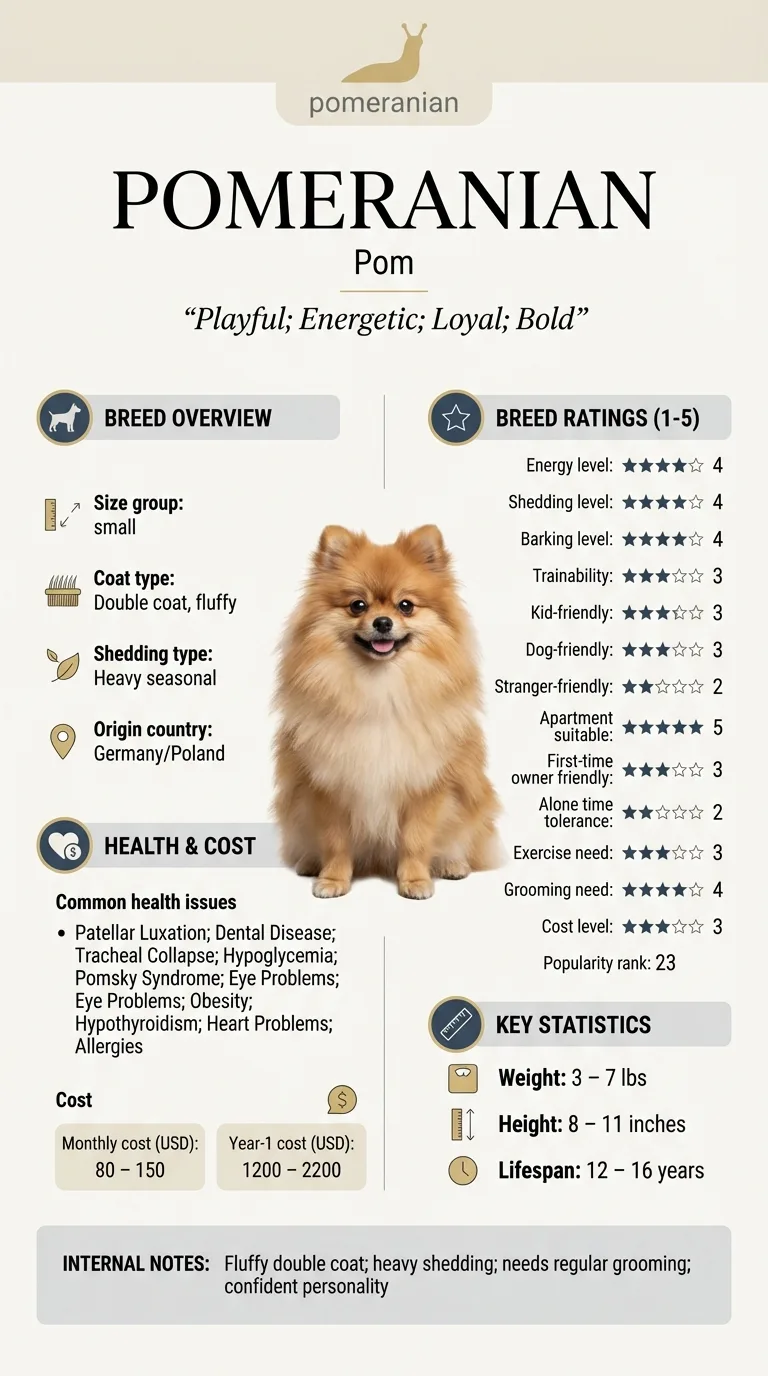
Owners of Pomeranians often notice these issues, especially those who live in warmer climates or have active lifestyles. First-time dog owners may find it challenging to manage these features without proper guidance.
This guide is not medical advice. If your dog shows pain, sudden behavior change, or worsening symptoms, consult a licensed veterinarian.
Some links may be affiliate links. We may earn a commission at no extra cost to you. We only suggest products we believe are helpful for dog owners.
We research and check what we publish, but we do not warrant that any figure, date, price, or statement is accurate, complete, or current, and we accept no liability for any loss, cost, injury, or other harm arising from the use of this site. Use it as one reference among several. You remain responsible for your own decisions and for your dog's care - confirm anything that matters with a licensed veterinarian or another qualified professional before you act on it. Full disclaimer.
Check this first
Understanding when your Pomeranian's brachycephalic features require immediate veterinary attention is crucial. Some signs are red flags that indicate you should call your vet right away. Other symptoms may be mild and can be monitored at home with a plan.
Emergency signs to watch for include severe difficulty breathing, persistent coughing, or gagging. If your Pomeranian is lethargic, collapses, or shows blue-tinged gums, these are urgent signs that warrant immediate veterinary care. Additionally, if your dog is experiencing extreme heat intolerance or is unable to cool down, seek help immediately.
On the other hand, mild cases may involve occasional snoring or light wheezing, which can often be monitored. If your Pom is still active, eating well, and maintaining a regular breathing pattern, you can keep an eye on their condition. Consider setting up a plan that includes regular vet check-ups and potentially training exercises to help manage their breathing issues. Always remember, when in doubt, it's better to err on the side of caution and consult your vet.
If any of these apply, call your vet or an emergency clinic now. The rest of this page is for the cases that are not an emergency.
Pomeranian brachycephalic features can lead to breathing difficulties, especially during exercise or in hot weather. This condition is common in Pomeranians due to their small, flat faces, which can restrict airflow. Owners may notice their Pomeranian snorting, wheezing, or having trouble catching their breath.
Brachycephalic features are relatively common in Pomeranians, affecting many dogs of this breed. Around 30-40% of Pomeranians may experience some level of breathing difficulty related to their facial structure.
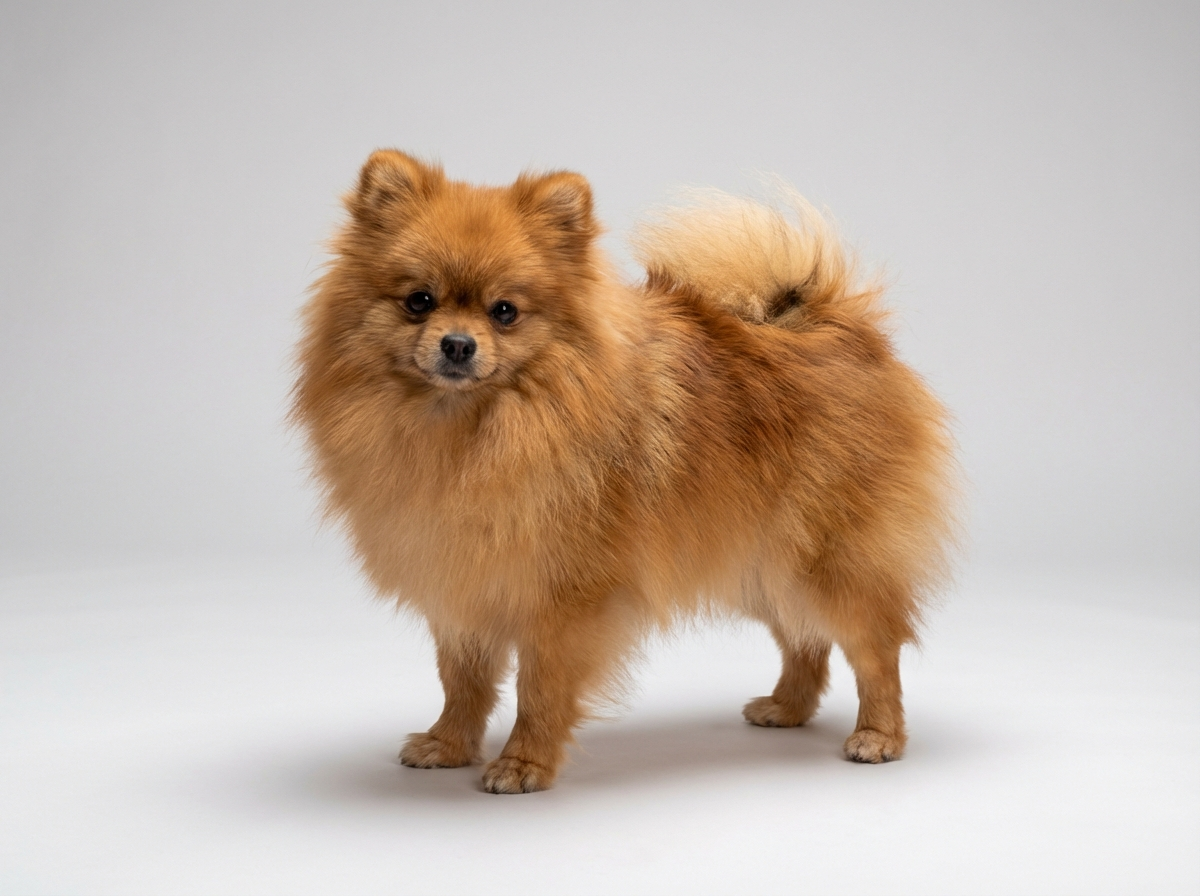
Pomeranians are small dogs with brachycephalic features, meaning they have a short snout and flat face. This breed trait can lead to breathing difficulties due to their narrow airways. Their structure may cause them to snore, wheeze, or struggle for air, especially during play or hot weather.
Environmental factors can also play a role in exacerbating breathing issues. Excessive heat, high humidity, and vigorous exercise can make it harder for Pomeranians to breathe. Stressful situations, like being left alone for long periods, can further increase their anxiety and breathing problems.
If your Pomeranian experiences severe breathing difficulties, such as gasping for air or excessive coughing, contact your vet immediately. Regular check-ups can also help monitor any health issues related to their brachycephalic features.
Avoiding certain behaviors can help manage your Pomeranian's brachycephalic features. Here are some common mistakes and safer alternatives.
Start here: Pomeranian Most Common Genetic Disorders: What to Screen For
See all Pomeranian health problems, which breeds are prone to brachycephalic features, or the full Pomeranian breed guide for temperament, exercise needs and ownership costs.
You can expect to see improvements in your Pomeranian's breathing and overall comfort in about 4 to 6 weeks with consistent care and follow-up with your vet.
Success means your Pomeranian can breathe more easily during exercise, has a calmer demeanor, and shows fewer signs of distress when active.
Maggie, a first-time dog owner, adopted a Pomeranian named Bella who had noticeable brachycephalic features. At first, Bella struggled with heavy breathing, especially during playtime. After researching how to stop Pomeranian brachycephalic features, Maggie started implementing simple training techniques and focused on keeping Bella calm and cool. Over weeks of gentle exercises and controlled play sessions, Bella's breathing improved significantly. Maggie also learned to manage Bella’s energy levels better, ensuring she had plenty of breaks during activities.
Key takeaway: With patience and the right approach, you can help your Pomeranian manage brachycephalic features effectively.
Pomeranians have brachycephalic features due to their short snouts and flat faces, common in many small breeds. These features can lead to breathing difficulties, especially when they’re excited or during hot weather. If your Pom shows signs of distress, it’s important to consult your vet. This answer relates to Pomeranian brachycephalic features.
To help your Pomeranian, ensure they avoid strenuous exercise in hot or humid conditions. Regular vet check-ups can also help monitor any breathing issues. Training your Pom to take breaks during play can reduce the risk of breathing difficulties.
Common signs include noisy breathing, excessive panting, or lethargy during normal activities. If your Pomeranian has difficulty breathing or seems uncomfortable, it’s crucial to seek veterinary advice. Early intervention can prevent more serious issues.
Yes, using positive reinforcement is key. Training sessions should be short and fun to avoid overexertion. Focus on basic commands and gentle exercise, rewarding your Pom with treats or praise for their efforts.
Yes, breathing difficulties can lead to health complications that may shorten a Pomeranian's lifespan. Maintaining a healthy weight and regular vet visits can help manage these risks. Be proactive in monitoring their health.
Consider providing a cool, comfortable environment and avoiding strenuous activities. Regular grooming can help reduce stress and ensure your Pom is comfortable. Small changes can make a big difference in their quality of life.
Preventing breathing issues involves regular vet check-ups, maintaining a healthy weight, and avoiding extreme temperatures. Keep training sessions brief and monitor your dog for any signs of discomfort during activities.
If your Pomeranian is struggling to breathe, it's crucial to seek immediate veterinary care. Breathing difficulties can be a sign of serious health issues, especially in dogs with brachycephalic features.
Yes, older Pomeranians may experience worsened symptoms related to their brachycephalic features. It's essential to monitor their breathing and overall health closely as they age and consult a vet for guidance.
Training can help manage behavior issues associated with brachycephalic features, such as anxiety. Techniques like positive reinforcement can encourage calm behavior, but it's best to consult with a professional trainer for tailored advice.
Consider adjusting your Pomeranian's exercise routine to avoid overheating and make sure they have a cool, comfortable environment. Regular vet check-ups are crucial to monitor their health and prevent complications.
Keep your Pomeranian cool and avoid overly strenuous activities to help manage their breathing. Regular vet visits are essential to monitor their health.
Regular check-ups at least once a year are recommended, or more frequently if your Pom shows any signs of breathing difficulties.
If your Pomeranian is panting heavily, cool them down with water and ensure they rest. If the panting continues, consult your vet.
Engage in short, gentle play sessions and provide mental stimulation through toys and puzzles. This helps manage their energy without overexertion.
Use positive reinforcement techniques, keeping training sessions brief and fun. This ensures your Pomeranian remains engaged without risking their health.
A one-page prep sheet for this condition: the signs, the questions to ask, what to get priced. Unlocks here.
You get: Vet visit prep sheet
No spam. One-click unsubscribe. See our privacy policy.
Preview page 1 before you decide.