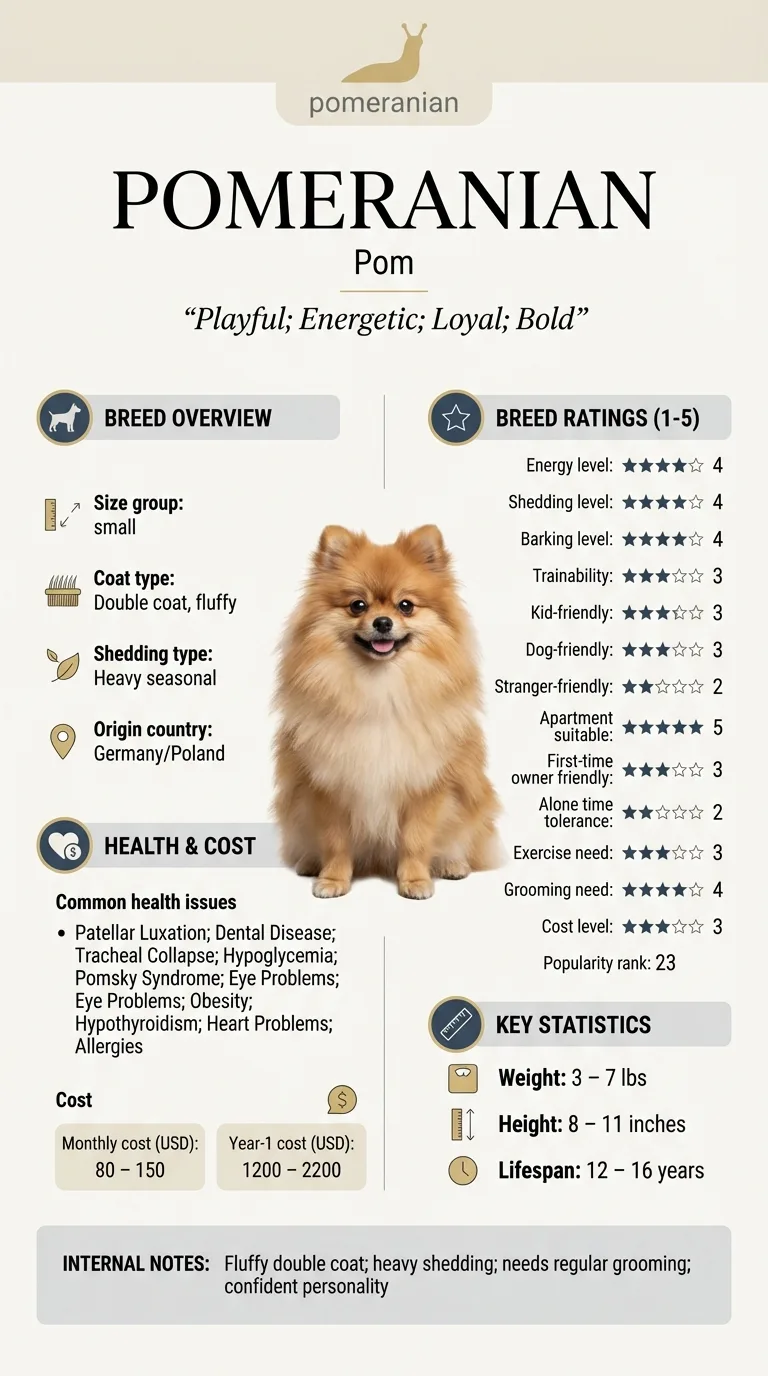
What are quick tips for Pomeranian hypothyroidism?
Regular vet visits and consistent medication are essential for managing Pomeranian hypothyroidism. A balanced diet and maintaining a healthy weight can also help.
Pomeranian hypothyroidism is a condition where your dog's thyroid doesn't produce enough hormones. This can lead to weight gain, lethargy, and other health issues.

Typically, first-time dog owners or busy families may struggle with recognizing the signs of hypothyroidism in their Pomeranians. This can be especially challenging since symptoms can develop gradually and may be mistaken for normal aging.
This guide is not medical advice. If your dog shows pain, sudden behavior change, or worsening symptoms, consult a licensed veterinarian.
Some links may be affiliate links. We may earn a commission at no extra cost to you. We only suggest products we believe are helpful for dog owners.
Pomeranian hypothyroidism is a condition where your dog's thyroid doesn't produce enough hormones. This can lead to various symptoms like weight gain, lethargy, and skin issues. It's important to recognize these signs early to manage the condition effectively.
Hypothyroidism is relatively common in Pomeranians, with estimates suggesting that around 10-15% of the breed may be affected. Regular vet check-ups can help catch this condition early.
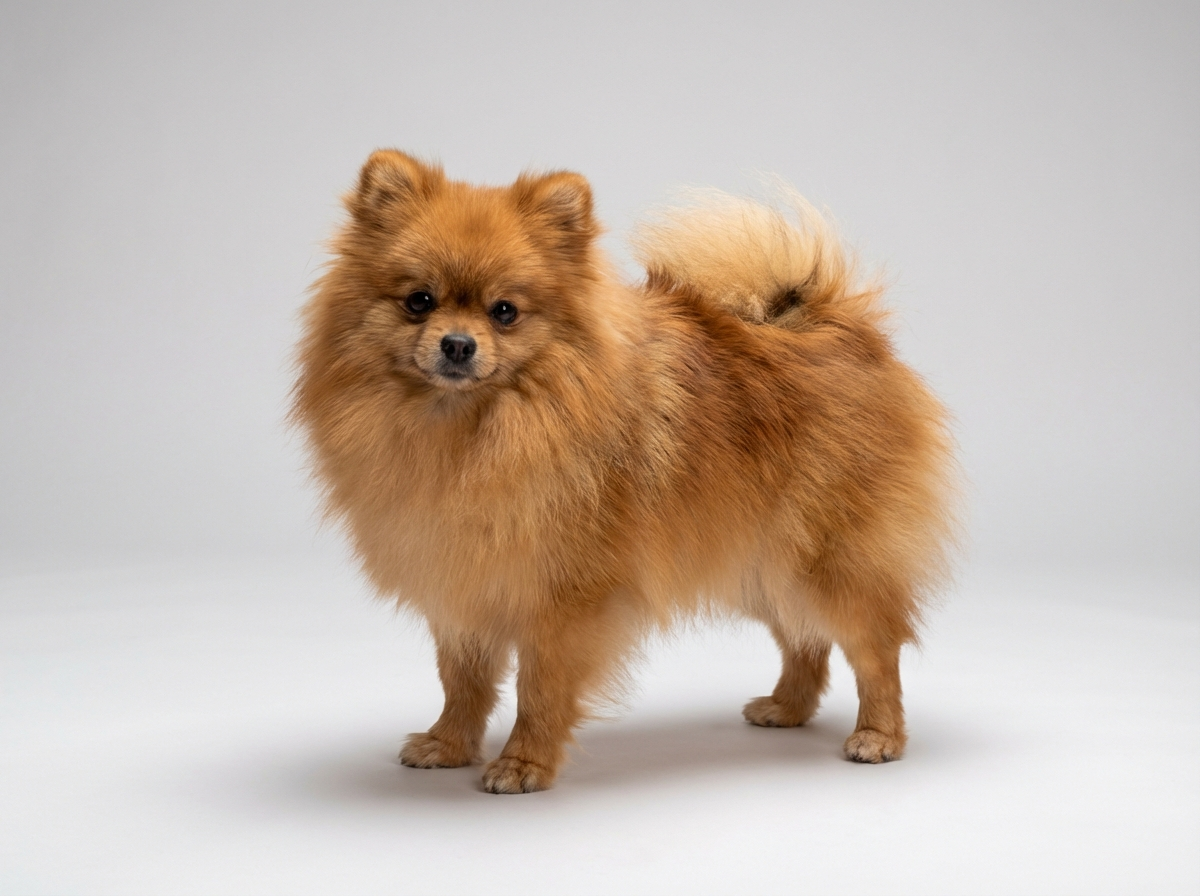
Pomeranians, like some small breeds, can be predisposed to hypothyroidism due to genetic factors. Their thyroid glands may not produce enough hormones, leading to various health issues. Additionally, their fluffy double coat can sometimes mask symptoms, making it harder to detect problems early.
Environmental factors such as diet and stress can also contribute to hypothyroidism in Pomeranians. Poor nutrition, exposure to toxins, or significant life changes can impact their thyroid health. It’s important to maintain a stable, healthy environment for your Pom to help prevent these issues.
If your Pomeranian shows signs of anxiety or behavioral changes, it may be time to consult a trainer. A professional can help address these issues effectively, especially if they stem from hypothyroidism-related discomfort.
If you notice symptoms like weight gain, lethargy, or changes in coat quality, contact your vet. They can perform tests to confirm hypothyroidism and suggest an appropriate treatment plan. Regular check-ups are essential for monitoring your dog's thyroid health.
Managing Pomeranian hypothyroidism typically takes a few weeks to a few months to stabilize once treatment begins. Regular vet check-ups will help monitor hormone levels.
Success means your Pom shows improved energy levels, maintains a healthy weight, and displays normal behavior. Consistent medication and care can lead to a happy, active life.
Managing Pomeranian hypothyroidism can be tricky, and some common mistakes by owners may unintentionally worsen the situation. Here are key behaviors to avoid and safer alternatives.
Pomeranian hypothyroidism can sometimes lead to serious health issues. It's important to know when to act quickly and when you can monitor the situation. Red flags include sudden weight gain, extreme lethargy, or difficulty breathing. If your Pom shows any of these symptoms, call your vet immediately.
On the other hand, if your dog has mild symptoms like slight weight changes or occasional lethargy, you can monitor them closely. Watch for any changes in behavior, appetite, or energy levels over a week or two. Keeping a log can help you track these changes.
Emergency signs can include severe skin problems, such as hair loss or skin infections, which may indicate a deeper issue related to hypothyroidism. If your Pomeranian is exhibiting these symptoms, do not hesitate to seek immediate veterinary care. Your vet can provide the best guidance on how to manage these health concerns effectively.

Sarah, a busy nurse in Chicago, noticed her Pomeranian, Bella, was gaining weight and seemed lethargic. After a vet visit, Bella was diagnosed with hypothyroidism. Sarah started Bella on medication and changed her diet to manage her weight. Within a few months, Bella's energy returned, and she was back to her playful self. Sarah also learned about the importance of routine vet visits to monitor Bella's condition.
Key takeaway: Managing Pomeranian hypothyroidism requires commitment, but with the right care, your dog can thrive. Regular vet check-ups and a proper diet are crucial.
Pomeranian hypothyroidism is often caused by an autoimmune disorder that attacks the thyroid gland. Other factors can include genetics, age, and certain environmental influences. If you notice symptoms, consult your vet for a proper diagnosis.
Common symptoms of Pomeranian hypothyroidism include lethargy, weight gain, excessive shedding, and skin issues. You might also notice changes in behavior, such as increased sensitivity to cold. If you see these signs, it's important to seek veterinary guidance.
Treatment for Pomeranian hypothyroidism typically involves daily medication to replace the missing thyroid hormones. Regular vet check-ups will be necessary to monitor your Pom's hormone levels. Consistency is key for effective management.
Yes, diet can play a role in managing Pomeranian hypothyroidism. A balanced diet rich in nutrients can support overall health. Consult your vet for specific dietary recommendations tailored to your dog's needs.
Pomeranian hypothyroidism is a relatively common health issue in this breed. Although not every Pom will face this problem, being aware of the symptoms can help you catch it early. Regular vet check-ups are crucial.
Common signs of Pomeranian hypothyroidism include weight gain, lethargy, and a dull coat. You might also notice increased sensitivity to cold and behavioral changes, such as increased anxiety or irritability.
Yes, while hypothyroidism is more common in older dogs, younger Pomeranians can also be affected. If you suspect something is wrong, it's best to consult your vet for a proper diagnosis.
A vet diagnoses hypothyroidism through blood tests that measure thyroid hormone levels. If your Pomeranian shows symptoms, it's important to get these tests done as soon as possible.
Treatment for Pomeranian hypothyroidism typically involves daily medication to replace the missing thyroid hormones. Regular follow-up tests are necessary to adjust dosages and monitor your dog's health.
You should see a vet if your Pomeranian displays signs of hypothyroidism, such as sudden weight gain or excessive tiredness. Early intervention can lead to better outcomes and a healthier life for your pup.
Regular vet visits and consistent medication are essential for managing Pomeranian hypothyroidism. A balanced diet and maintaining a healthy weight can also help.
Look for symptoms like weight gain, lethargy, and skin problems in your Pomeranian. If you notice these signs, consult your vet promptly.
Moderate exercise is beneficial for Pomeranians with hypothyroidism. It helps maintain a healthy weight and boosts overall well-being.