Behavior
What are some quick tips for Pomeranian anxiety?
Create a safe space for your Pomeranian and consider using calming products like thundershirts. Regular exercise and mental games can also help reduce anxiety.

Quick answer
What are some quick tips for Pomeranian anxiety?
Create a safe space for your Pomeranian and consider using calming products like thundershirts. Regular exercise and mental games can also help reduce anxiety.
Pomeranian anxiety can be a challenging issue for many owners.
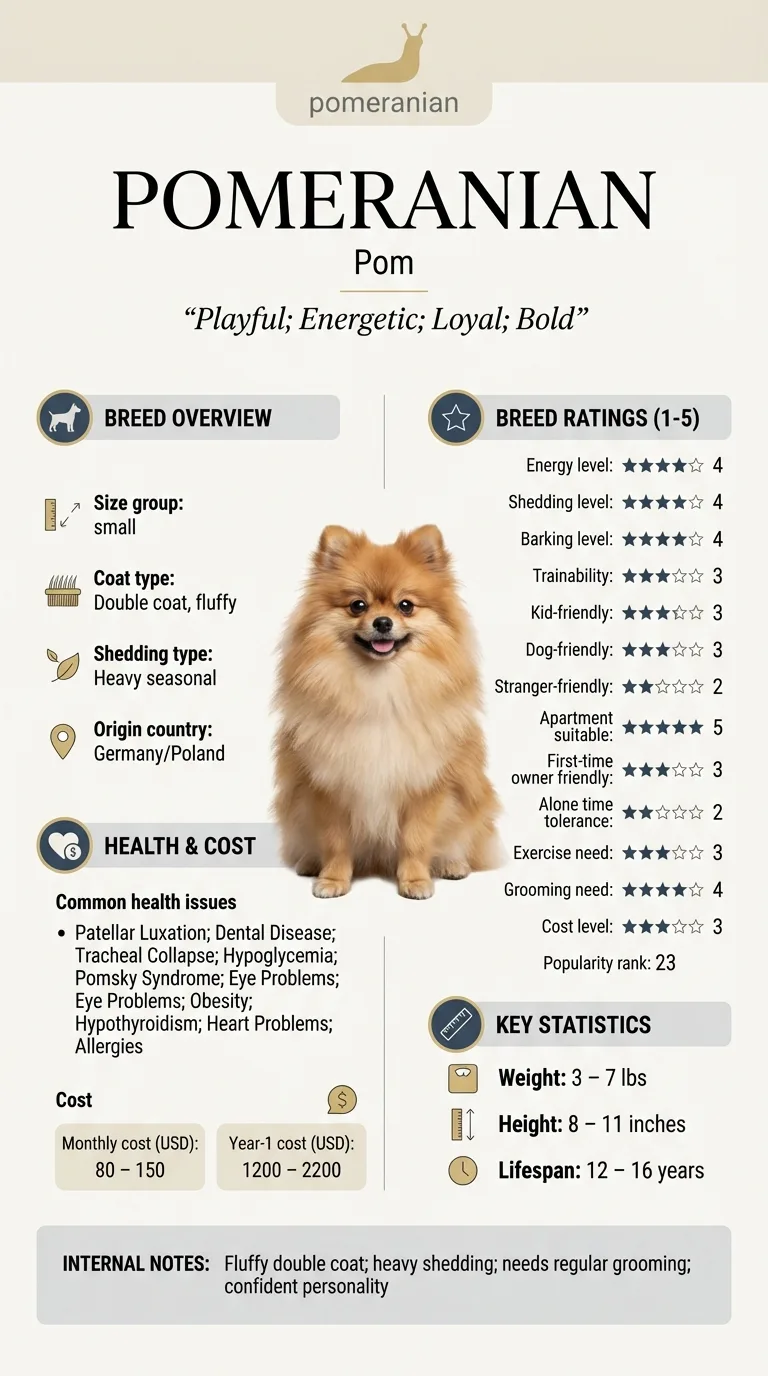
This guide is for Pomeranian owners facing anxiety issues with their pets, especially those who are new to dog ownership or dealing with behavior problems.
Pomeranian anxiety often manifests as clinginess and excessive barking. These dogs may seem restless or easily startled, especially in new environments. Their anxiety can lead to destructive behaviors when left alone or during loud noises.
If your Pomeranian's anxiety doesn't improve with home strategies, consider enrolling in training classes focused on anxiety management. A professional can guide you through specific techniques that help change your dog's emotional response.
Consult your vet or a behaviorist if your Pomeranian shows persistent signs of anxiety, such as excessive barking, destructive behavior, or signs of distress in daily activities. They can assess if there are underlying health issues or recommend treatments.
A variety of tools and products can help manage Pomeranian anxiety effectively. These can assist in creating a calmer environment and support training efforts.
Adjusting your daily routine can significantly help manage Pomeranian anxiety. Start by establishing a consistent schedule that includes regular exercise, feeding, and playtime. This predictability can make your Pom feel more secure and reduce anxiety triggers.
Exercise is crucial for your Pomeranian's mental and physical well-being. Aim for multiple short walks each day, along with interactive playtime. Engaging in activities like fetch or puzzle toys can help tire them out and keep their minds stimulated.
When it comes to alone time, gradually increase the duration your Pomeranian spends alone. Begin with short intervals and reward them for calm behavior. This can help build their tolerance to being alone, which is key for reducing separation anxiety.
Incorporate calming household routines, such as using a designated quiet space with their favorite blanket or toy. This area should be free of distractions and noise, giving your dog a safe retreat when they feel anxious. Additionally, consider using calming music or pheromone diffusers to create a serene environment.
Finally, ensure your Pomeranian has plenty of mental stimulation when you're not home. Interactive toys that dispense treats can keep them occupied and help alleviate boredom-induced anxiety. Over time, these lifestyle adjustments will contribute to a happier, more relaxed Pomeranian.
Tracking progress with Pomeranian anxiety involves celebrating small victories, or 'micro-wins.' These can include your Pom remaining calm during short absences or showing less reaction to loud noises. A decrease in excessive barking or destructive behaviors is also a positive sign that your training efforts are paying off.

Lucy, a spirited Pomeranian, struggled with anxiety every time her owner, Sarah, left the house. Sarah noticed that Lucy would bark excessively and sometimes even chew on furniture when she was alone. After trying calming toys and leaving the TV on for background noise, Sarah decided to seek professional help. They began working with a dog trainer who specialized in anxiety training. Through positive reinforcement and gradual desensitization, Lucy learned that being alone wasn’t so scary. Sarah also started a consistent routine, which helped Lucy feel more secure. Over time, Lucy became more relaxed and less prone to anxiety during alone times.
Key takeaway: With a mix of home strategies and professional training, many owners can effectively manage Pomeranian anxiety.
Pomeranian anxiety can stem from various factors, including genetics, lack of socialization, or changes in their environment. These small dogs may feel overwhelmed in unfamiliar situations or when left alone for too long. Understanding your Pom's triggers is the first step in helping them feel more secure.
Common signs of Pomeranian anxiety include excessive barking, destructive behavior, and pacing. They may also show signs of distress by trembling or hiding. If you notice these behaviors, it’s essential to address them early with training and support.
To help your Pomeranian, establish a routine that includes regular exercise and mental stimulation. Consider using calming aids or training techniques tailored to their needs. Consistency and patience are key to helping them feel more at ease.
If your Pomeranian's anxiety is severe or continues to worsen, it’s time to consult a veterinarian or a professional dog trainer. They can provide specific strategies and, if necessary, recommend behavioral therapies or medication.
Older Pomeranians may experience anxiety due to changes in their health or environment. It's important to maintain a consistent routine, provide a comfortable space, and consider gentle training methods. Additionally, consult your vet for advice tailored to your dog's specific needs.
In a multi-dog household, it's essential to monitor interactions and ensure each Pomeranian has its own space. Establishing separate routines for each dog can help reduce anxiety. Training sessions that involve all dogs can also promote a sense of security and teamwork.
Yes, travel can heighten anxiety in Pomeranians. To help, acclimate your dog to the travel carrier before the trip and bring familiar items, like a favorite blanket or toy. Frequent breaks during long trips can also help reduce stress.
Pomeranians often have heightened sensitivity to loud noises, which can lead to anxiety during storms. Creating a safe space with soft bedding and using calming products like anxiety wraps or pheromone diffusers can help them feel more secure.
In some cases, medication may be necessary to treat severe Pomeranian anxiety. It's crucial to consult with your veterinarian to discuss potential options and determine the best approach for your furry friend.
Create a safe space for your Pomeranian and consider using calming products like thundershirts. Regular exercise and mental games can also help reduce anxiety.
Yes, Pomeranian anxiety training can be very effective. Positive reinforcement methods can teach them to feel more secure and confident.
Common triggers include loud noises, being left alone, and changes in routine. Identifying these triggers can help you manage their anxiety better.
Anxiety and pain look alike from the outside. Get the prep sheet for this breed's separation-anxiety page and take it to the vet.
You get: Vet visit prep sheet
No spam. One-click unsubscribe. See our privacy policy.
Preview page 1 before you decide.
This guide is not medical advice. If your dog shows pain, sudden behavior change, or worsening symptoms, consult a licensed veterinarian.
Some links may be affiliate links. We may earn a commission at no extra cost to you. We only suggest products we believe are helpful for dog owners.
We research and check what we publish, but we do not warrant that any figure, date, price, or statement is accurate, complete, or current, and we accept no liability for any loss, cost, injury, or other harm arising from the use of this site. Use it as one reference among several. You remain responsible for your own decisions and for your dog's care - confirm anything that matters with a licensed veterinarian or another qualified professional before you act on it. Full disclaimer.
Not sure which breed is right for you? Take our 2-minute quiz to find out.
Take the quiz