Health
What are quick tips for managing Pomeranian genetic disorders?
Regular vet visits, a balanced diet, and keeping your Pomeranian active can help manage genetic disorders. Early detection and treatment are key.

Quick answer
What are quick tips for managing Pomeranian genetic disorders?
Regular vet visits, a balanced diet, and keeping your Pomeranian active can help manage genetic disorders. Early detection and treatment are key.
Pomeranians are adorable and playful, but they can also face serious health issues. Understanding the Pomeranian most common genetic disorders is crucial for every owner.
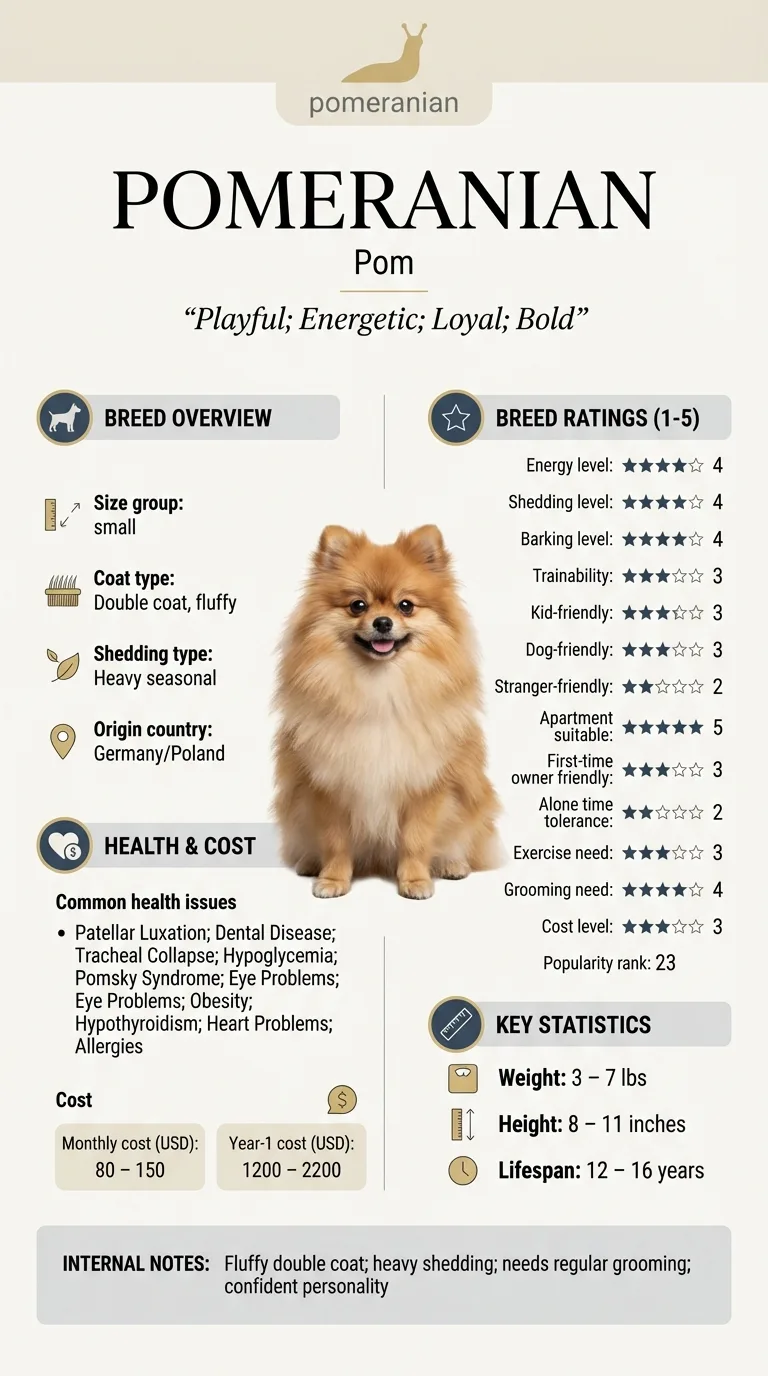
First-time Pomeranian owners or those who may not have experience with small breeds often struggle with these health issues. Busy families, individuals with limited time for vet visits, or those unaware of the breed's specific needs may find themselves overwhelmed by these common genetic disorders.
This guide is not medical advice. If your dog shows pain, sudden behavior change, or worsening symptoms, consult a licensed veterinarian.
Some links may be affiliate links. We may earn a commission at no extra cost to you. We only suggest products we believe are helpful for dog owners.
We research and check what we publish, but we do not warrant that any figure, date, price, or statement is accurate, complete, or current, and we accept no liability for any loss, cost, injury, or other harm arising from the use of this site. Use it as one reference among several. You remain responsible for your own decisions and for your dog's care - confirm anything that matters with a licensed veterinarian or another qualified professional before you act on it. Full disclaimer.
Check this first
Recognizing when a Pomeranian is facing a serious health issue is crucial. Certain signs indicate it's time to call your vet immediately. If your Pom shows severe symptoms like difficulty breathing, persistent vomiting, or seizures, these are red flags. Other emergencies include unresponsiveness, excessive bleeding, or signs of severe pain. These situations require immediate veterinary attention.
On the other hand, some symptoms can be monitored without immediate action. If your Pomeranian is slightly lethargic, has a mild cough, or is experiencing minor digestive upset, you may choose to wait and observe. In these cases, ensure your dog stays hydrated and comfortable. If the symptoms worsen or persist for more than a day, it's best to consult your vet to rule out any serious conditions. Keeping a close eye on their behavior and health can help you decide whether it’s a watch-and-wait situation or an emergency that needs urgent care.
If any of these apply, call your vet or an emergency clinic now. The rest of this page is for the cases that are not an emergency.
Pomeranians are adorable, fluffy companions, but they can be prone to several genetic disorders. These issues often appear in their daily lives, manifesting as mobility problems, dental issues, or breathing difficulties. Common genetic disorders among Pomeranians include patellar luxation, dental disease, and tracheal collapse.
Genetic disorders are quite prevalent in Pomeranians due to their breeding history. Many owners report dealing with at least one of these health issues during their dog's life, making it essential to be proactive about their health.
Pomeranians are prone to several genetic disorders due to their small size and breeding practices. Common issues include patellar luxation, dental disease, and tracheal collapse. These conditions can stem from inherited traits that affect their bone structure, dental health, and respiratory systems.
Environmental factors also play a role in the health of Pomeranians. Stressful living conditions, lack of proper exercise, and poor nutrition can exacerbate genetic disorders. Additionally, exposure to harsh weather can impact their overall well-being, leading to complications in predisposed dogs.
If you notice signs of common genetic disorders, such as difficulty walking or breathing, or any sudden changes in behavior or appetite, contact your veterinarian immediately. Regular check-ups can help catch potential issues early.
Avoid these common mistakes that can reinforce your Pomeranian's genetic health issues.
See all Pomeranian health problems, which breeds are prone to most common genetic disorders, or the full Pomeranian breed guide for temperament, exercise needs and ownership costs.
Expect to see gradual improvements over 6 to 12 months as you implement care and manage health checks.
Success means your Pomeranian is healthier, more active, and shows fewer signs of distress related to genetic disorders.
Sarah, a busy nurse in Seattle, adopted a Pomeranian named Bella. Shortly after bringing her home, Bella started showing signs of dental issues and obesity. Concerned, Sarah consulted a vet who explained that these are common genetic disorders in Pomeranians. With guidance, Sarah adjusted Bella's diet and established a routine for regular vet visits and dental care. Over the next several months, Bella lost weight and her dental health improved significantly, leading to a happier, more energetic pup. Sarah learned to stay proactive about Bella's health, which made a world of difference.
Key takeaway: Being informed and proactive about your Pomeranian's health can lead to significant improvements in their quality of life.
Pomeranians are prone to several genetic disorders, including patellar luxation, dental disease, tracheal collapse, and eye problems. Regular veterinary check-ups can help identify these issues early. This answer relates to Pomeranian most common genetic disorders.
While you can't completely prevent genetic disorders, choosing a reputable breeder who tests for common health issues can significantly reduce risks. Regular veterinary care and a healthy diet will also support your dog's overall health.
Genetic disorders in Pomeranians often stem from hereditary factors passed down from their parents. Responsible breeding practices can help minimize these risks, so it's important to know your dog's lineage.
Watch for signs like limping, difficulty breathing, excessive thirst, or sudden weight changes. If you notice any concerning symptoms, consult your vet for further evaluation.
Training won't cure genetic disorders, but it can help manage behavioral issues related to them. Behavior training can also improve your Pomeranian's quality of life by addressing anxiety and improving social skills.
Costs can vary widely based on the disorder and treatment required, but you might expect to spend between $80 to $150 per month on veterinary care. Serious issues could lead to higher medical costs.
Older Pomeranians are prone to several genetic disorders, including dental disease and heart problems. Regular vet check-ups are essential for early detection, especially as they age.
Watch for signs like coughing, difficulty breathing, or limping. If you notice any unusual behavior, consult your vet who can perform tests to diagnose potential genetic disorders.
Yes, there are tests available that can check for common genetic disorders in Pomeranians. Discuss with your vet about which tests may be beneficial for your dog.
Lifestyle changes, such as diet and exercise, can significantly impact the health of Pomeranians with genetic disorders. A balanced diet and regular, moderate exercise can help manage their conditions.
If diagnosed, your vet will recommend a treatment plan tailored for your Pomeranian. This may include medication, dietary changes, or specific training methods to help manage symptoms.
Regular vet visits, a balanced diet, and keeping your Pomeranian active can help manage genetic disorders. Early detection and treatment are key.
Provide a nutritious diet, regular exercise, and mental stimulation to support your Pomeranian's health. This can help reduce symptoms of genetic disorders.
Yes, many online courses and training programs are available to help address Pomeranian behavior problems. Consider finding one that focuses on anxiety and socialization.
Contact your veterinarian as soon as possible for an evaluation. Early diagnosis can lead to better management of the condition.
A one-page prep sheet for this condition: the signs, the questions to ask, what to get priced. Unlocks here.
You get: Vet visit prep sheet
No spam. One-click unsubscribe. See our privacy policy.
Preview page 1 before you decide.