Health
What can I do for my Pomeranian's allergies?
Consult your vet for a tailored treatment plan, which may include medication or dietary changes.

Quick answer
What can I do for my Pomeranian's allergies?
Consult your vet for a tailored treatment plan, which may include medication or dietary changes.
Pomeranian allergic reactions can be a real challenge for pet owners. These reactions can cause discomfort and health issues for your furry friend.
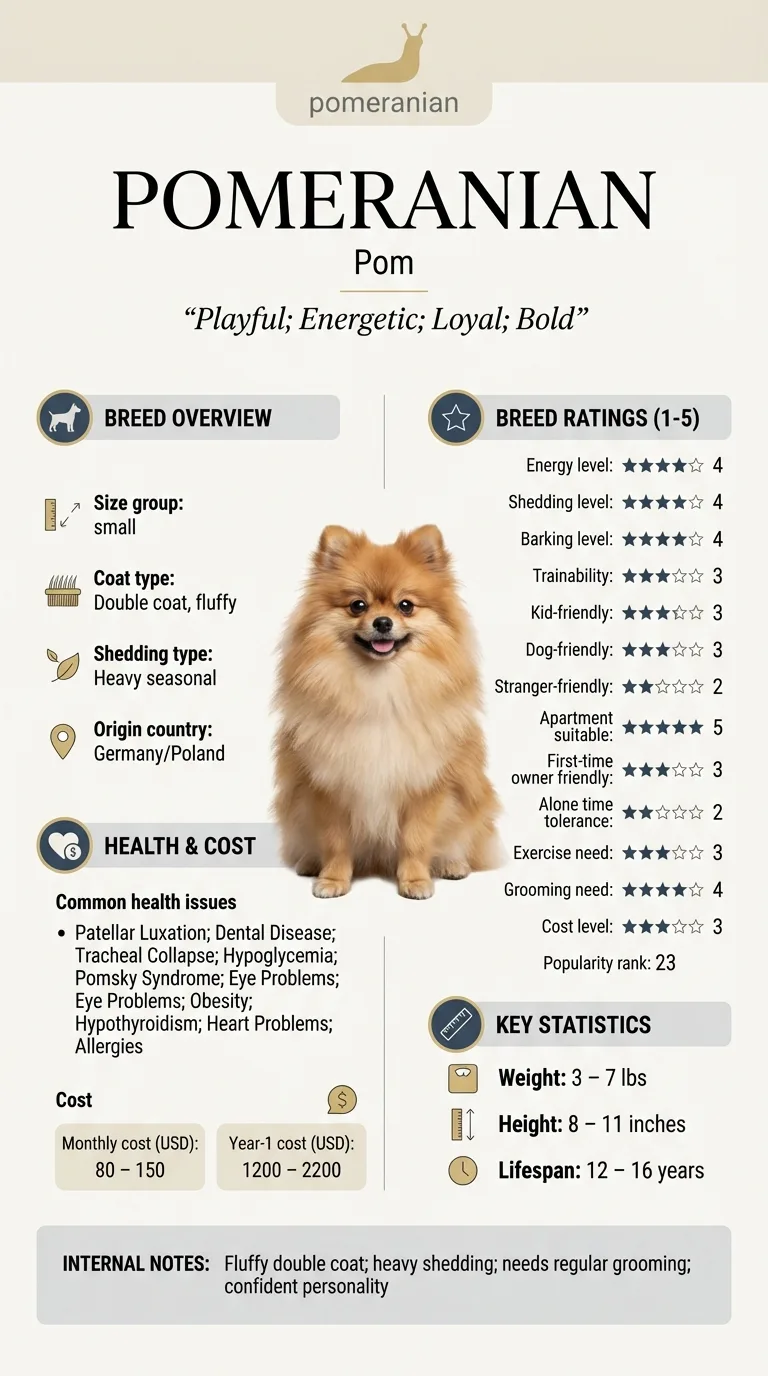
This issue often affects first-time dog owners and families with young children who may not know how to identify allergy symptoms. Busy professionals who may miss subtle signs could also find themselves in a tough spot when it comes to addressing their Pom's allergies.
This guide is not medical advice. If your dog shows pain, sudden behavior change, or worsening symptoms, consult a licensed veterinarian.
Some links may be affiliate links. We may earn a commission at no extra cost to you. We only suggest products we believe are helpful for dog owners.
We research and check what we publish, but we do not warrant that any figure, date, price, or statement is accurate, complete, or current, and we accept no liability for any loss, cost, injury, or other harm arising from the use of this site. Use it as one reference among several. You remain responsible for your own decisions and for your dog's care - confirm anything that matters with a licensed veterinarian or another qualified professional before you act on it. Full disclaimer.
Check this first
Recognizing when your Pomeranian is having an allergic reaction is crucial. Allergic reactions can range from mild to severe, and knowing the signs can save your dog's life. If your Pom shows any of the following red-flag symptoms, you should call your vet immediately:
- Swelling of the face, tongue, or throat - Difficulty breathing or wheezing - Rapid heart rate or weakness - Vomiting or diarrhea, especially if severe - Hives or widespread rash
These symptoms indicate a potentially life-threatening condition called anaphylaxis. It requires urgent medical attention.
On the other hand, mild allergic reactions can often be monitored at home. Watch for symptoms like:
- Itchy skin or paws - Sneezing or mild coughing - Minor gastrointestinal upset
If your Pomeranian experiences these milder symptoms, observe them closely for any changes. You can manage their discomfort with over-the-counter antihistamines, but always consult your vet first. Keep a record of their reactions and any potential triggers to discuss during your next vet visit. Remember, if you’re ever in doubt, it’s safer to err on the side of caution and reach out to your veterinarian for guidance.
If any of these apply, call your vet or an emergency clinic now. The rest of this page is for the cases that are not an emergency.
Pomeranian allergic reactions can manifest in various ways, including itchy skin, sneezing, and digestive upset. These reactions often occur due to environmental allergens like pollen, dust, or certain foods. Owners may notice their Pomeranian excessively scratching or licking themselves, which can lead to skin infections if not addressed.
Allergic reactions are quite common in Pomeranians, with studies showing they are 276% more likely to experience allergies compared to other breeds. This means many Pomeranian owners may face these issues at some point, making it essential to be vigilant about potential triggers.
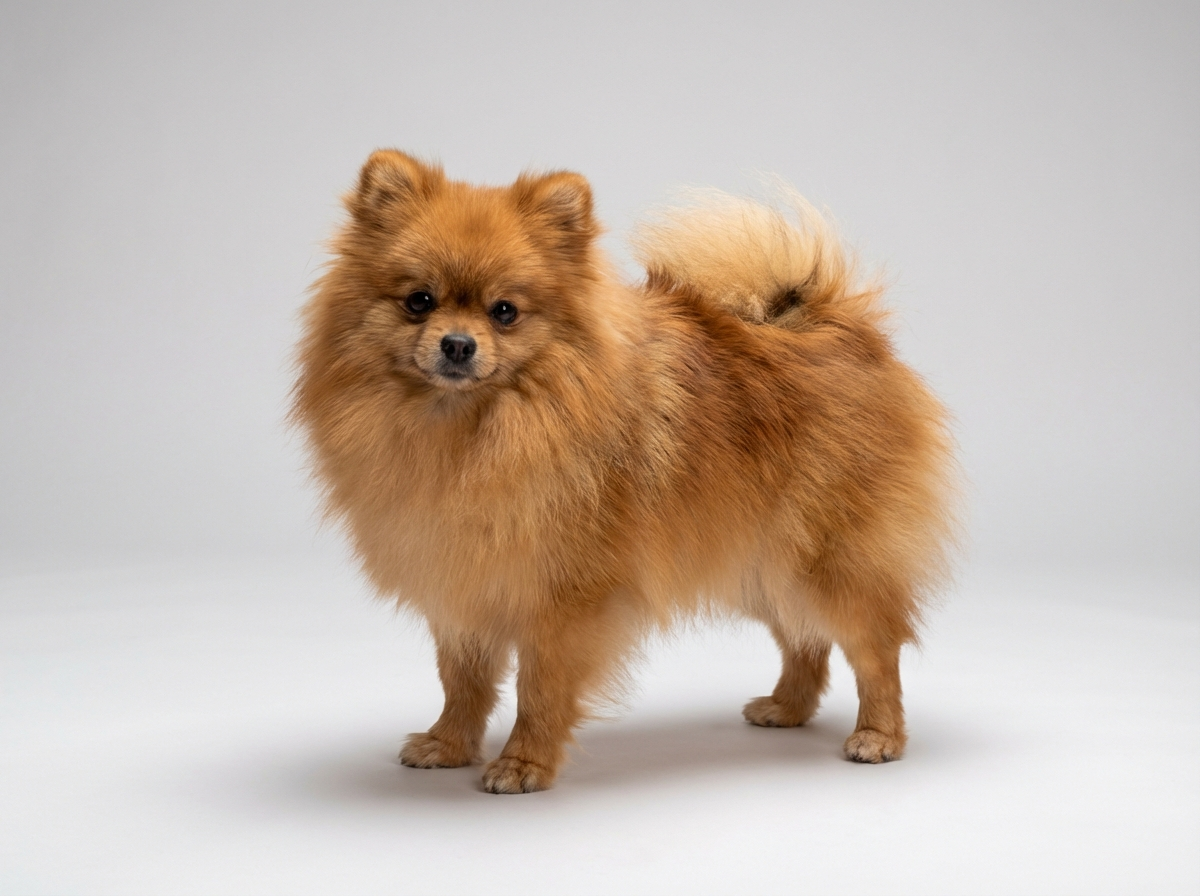
Pomeranians can be prone to allergies due to their genetic makeup. Their fluffy double coat may trap allergens, leading to skin irritations and allergic reactions. Common allergens for this breed include pollen, dust mites, and certain foods.
Environmental factors play a significant role in Pomeranian allergic reactions. Changes in weather, exposure to chemicals in cleaning products, or even household dust can trigger reactions. Additionally, polluted air or strong scents can exacerbate their sensitivities.
If your Pomeranian shows persistent symptoms like excessive itching, swelling, or gastrointestinal upset, it's time to consult your vet. They can perform tests to identify specific allergens and recommend appropriate treatments.
Avoiding common mistakes can help reduce Pomeranian allergic reactions. Here are some behaviors to steer clear of.
Start here: Pomeranian Most Common Genetic Disorders: What to Screen For
See all Pomeranian health problems, which breeds are prone to allergic reactions, or the full Pomeranian breed guide for temperament, exercise needs and ownership costs.
Most owners can see improvements in their Pomeranian's allergic reactions within 4 to 8 weeks of implementing changes.
Success means your Pom shows a noticeable decrease in symptoms, like itching and sneezing, and can enjoy daily activities without discomfort.
Sarah, a busy nurse in Chicago, noticed her Pomeranian, Bella, constantly scratching and having red patches on her skin. After a visit to the vet, Sarah learned Bella had allergies that could be triggered by her food and environmental factors. With guidance, Sarah switched Bella to a hypoallergenic diet and began cleaning her home more frequently to reduce allergens. Slowly but surely, Bella's symptoms improved, and she became more playful and relaxed.
Key takeaway: Identifying and addressing the specific triggers of your Pomeranian's allergic reactions can lead to significant improvements in their quality of life.
Pomeranian allergic reactions can stem from food, environmental factors, or even grooming products. Common allergens include pollen, dust mites, certain foods, and fleas. It's essential to identify the trigger to manage your dog's symptoms effectively.
To stop Pomeranian allergic reactions, start by consulting your vet for proper diagnosis and treatment. You may need to switch to hypoallergenic dog food or use medications to relieve symptoms. Regularly cleaning your home and minimizing exposure to allergens can also help.
Signs of allergic reactions in Pomeranians include itching, redness, swelling, and gastrointestinal issues like vomiting or diarrhea. You might also notice excessive scratching or biting at their skin. Monitor their behavior closely to catch any changes early.
Yes, Pomeranians are among dog breeds that can be prone to allergies. Genetic factors, combined with their fluffy double coat, may contribute to their sensitivity to various allergens. Regular vet check-ups can help catch any developing issues.
While training won't directly stop allergic reactions, it can help manage your dog's behavior during flare-ups. Teaching commands like 'leave it' can prevent your Pom from interacting with allergens. Consistent training can also improve overall well-being.
Yes, food allergies can lead to allergic reactions in Pomeranians. Ingredients like beef, dairy, and wheat are common culprits. A vet can help determine if your Pom has food sensitivities and suggest an appropriate diet.
To help your Pomeranian during allergy season, consider regular baths with hypoallergenic shampoo. Keeping your home clean and minimizing exposure to pollen can also help. If symptoms worsen, a vet may recommend medications or treatments.
Older Pomeranians can develop allergies as their immune systems change over time. Even if they didn't show signs of allergies before, they may become sensitive to environmental factors or food. Regular vet check-ups can help monitor and manage these changes.
If your Pomeranian has a severe allergic reaction, such as difficulty breathing or swelling of the face, seek emergency veterinary care immediately. Quick treatment can prevent serious complications. Always keep your vet's contact information handy for emergencies.
Consult your vet for a tailored treatment plan, which may include medication or dietary changes.
Regularly vacuum and clean surfaces to reduce dust and allergens. Wash your Pomeranian's bedding frequently.
If your Pomeranian shows persistent symptoms like itching or digestive issues, it's best to visit the vet promptly.
Avoid using human medications without veterinary guidance, as some can be harmful to dogs.
Focus on commands like 'sit' and 'stay' to prevent your Pom from accessing allergens. Consistency is key.
A one-page prep sheet for this condition: the signs, the questions to ask, what to get priced. Unlocks here.
You get: Vet visit prep sheet
No spam. One-click unsubscribe. See our privacy policy.
Preview page 1 before you decide.