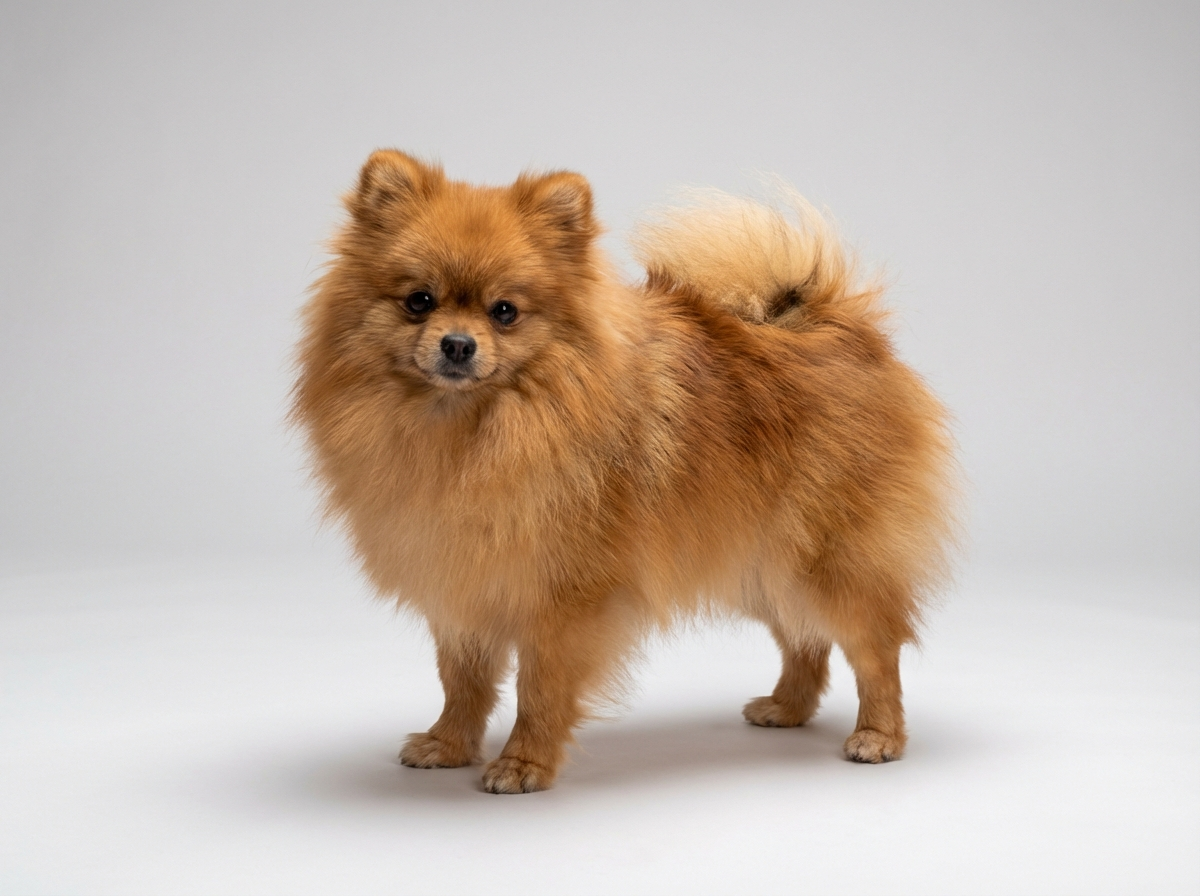
What are quick tips for managing Pomeranian immune-mediated thyroiditis?
Regular vet check-ups and medication are key to managing this condition. Ensure your Pomeranian has a balanced diet tailored to their needs.
Pomeranian immune-mediated thyroiditis is a serious autoimmune condition that affects the thyroid gland.

Typical owners facing this issue may notice their Pomeranian experiencing lethargy, weight changes, or skin problems. New dog parents, busy professionals, or anyone unfamiliar with thyroid issues may feel overwhelmed by this diagnosis.
This guide is not medical advice. If your dog shows pain, sudden behavior change, or worsening symptoms, consult a licensed veterinarian.
Some links may be affiliate links. We may earn a commission at no extra cost to you. We only suggest products we believe are helpful for dog owners.
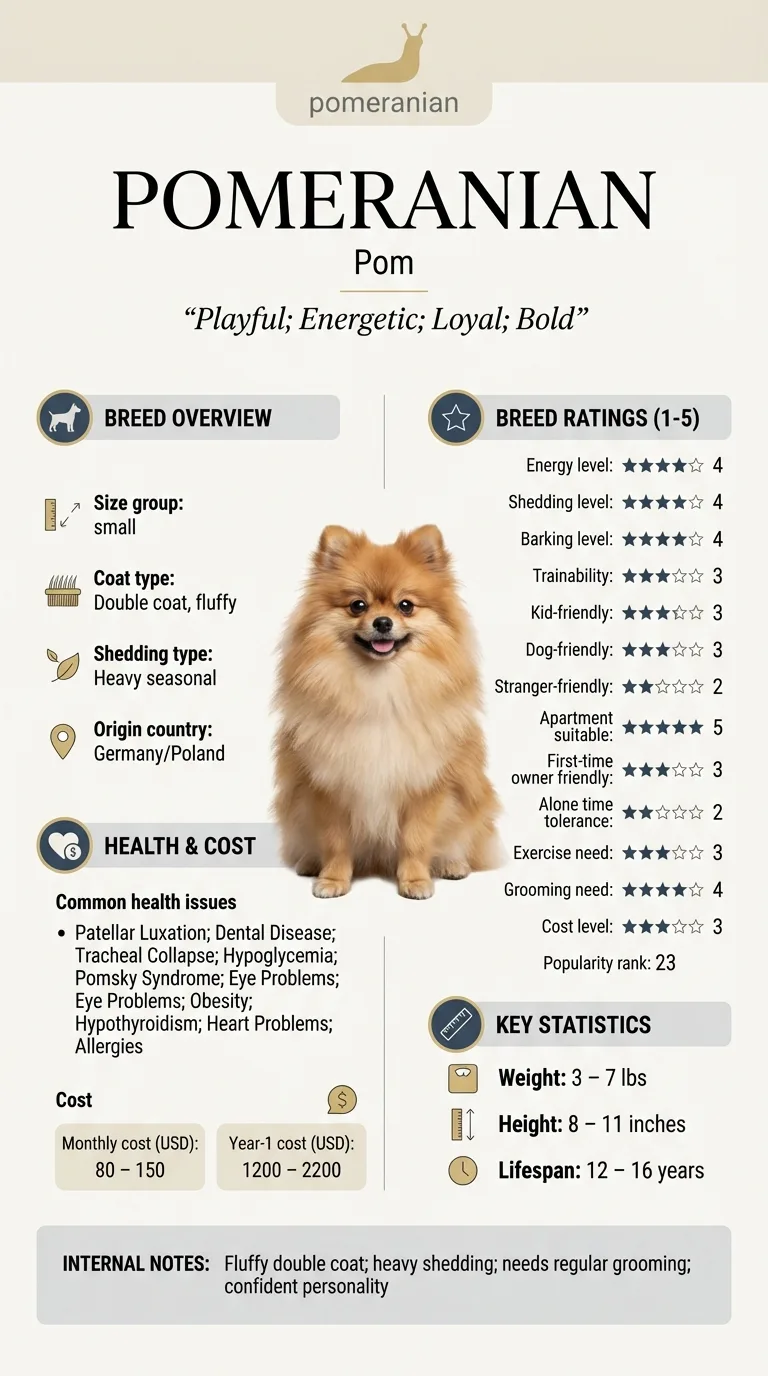
Pomeranian immune-mediated thyroiditis is a serious condition where the immune system attacks the thyroid gland, affecting hormone production. This can lead to symptoms like weight gain, lethargy, and changes in coat quality. Owners may notice their Pom becoming less active or having difficulty maintaining a healthy weight, which can be concerning.
This condition is relatively common in Pomeranians, particularly as they age. Many Poms can be affected by thyroid issues, with immune-mediated thyroiditis being one of the more prevalent forms.
Pomeranians are predisposed to certain autoimmune disorders, including immune-mediated thyroiditis. Their small size and genetic makeup can make them more vulnerable to health issues like this one. Additionally, these dogs often have a history of thyroid problems in their lineage, which can increase the risk.
Environmental factors, such as diet and stress, can trigger or worsen immune-mediated thyroiditis in Pomeranians. Poor nutrition may lead to deficiencies that impact their immune system. Moreover, high-stress situations, like moving to a new home or changes in routine, can exacerbate their condition.
If your Pomeranian shows signs of anxiety or behavioral issues related to their condition, consider hiring a professional trainer. They can help address specific behavior problems and suggest techniques to calm your dog effectively.
If you notice persistent lethargy, weight gain, or changes in appetite, it's essential to consult your vet. They can provide a thorough evaluation and may recommend blood tests to assess thyroid function and overall health.
You can expect to see some improvements in your Pomeranian's symptoms within 2 to 4 months of starting treatment and making lifestyle changes. However, managing immune-mediated thyroiditis is an ongoing process that may take longer to fully stabilize.
Success means your Pomeranian shows increased energy levels, improved mood, and a healthier weight. Regular vet check-ups will confirm that thyroid hormone levels are within a normal range.
Avoiding certain behaviors can help manage Pomeranian immune-mediated thyroiditis more effectively. Here are some common mistakes that can worsen the condition and what to do instead.
Recognizing when Pomeranian immune-mediated thyroiditis is an emergency can be critical for your pet's health. If your Pom displays severe symptoms such as sudden weight loss, vomiting, or extreme lethargy, these are red flags that require immediate veterinary attention. Additionally, if you notice changes in behavior like excessive thirst or urination, don't hesitate to call your vet right away.
On the other hand, if your Pomeranian has mild symptoms like slight changes in appetite or energy, these can often be monitored at home. In such cases, keep a close eye on your dog's behavior and maintain a regular vet check-up schedule. You can create a care plan that includes monitoring their weight and energy levels, along with dietary adjustments.
Being proactive can help catch any worsening conditions before they escalate. If you're unsure, it's always better to err on the side of caution and consult your veterinarian. They can help determine whether immediate treatment is necessary or if a wait-and-see approach is appropriate.

Samantha, a first-time dog owner, noticed her Pomeranian Bella was more lethargic than usual. After a vet visit, Bella was diagnosed with immune-mediated thyroiditis. Samantha learned how to manage Bella's condition through medication and a tailored diet. With patience and dedication, Bella’s energy returned, and she became her playful self again, roaming the park joyfully.
Key takeaway: Managing Pomeranian immune-mediated thyroiditis requires commitment and proper care, but with the right approach, you can help your dog regain their vitality.
Pomeranian immune-mediated thyroiditis occurs when the immune system mistakenly attacks the thyroid gland. Genetic factors and environmental triggers may contribute to this autoimmune condition. Regular vet check-ups can help detect this issue early.
To manage Pomeranian immune-mediated thyroiditis, consult your vet for a proper diagnosis and treatment plan. This often includes medication to regulate thyroid hormone levels and regular monitoring of your dog's health. Diet and lifestyle adjustments may also be necessary.
Symptoms can include lethargy, weight gain, changes in fur quality, and increased sensitivity to cold. If you notice these signs, it's crucial to seek veterinary advice promptly. Early intervention can significantly improve your dog's quality of life.
Currently, immune-mediated thyroiditis cannot be cured but can be effectively managed. With proper medication and care, many Pomeranians can lead healthy lives. Regular follow-ups with your vet are essential to adjust treatment as needed.
Treatment typically involves thyroid hormone replacement therapy if levels are low. Your vet may also recommend dietary changes or medications to support your Pomeranian's immune system. Consistent monitoring will ensure the treatment remains effective.
A balanced diet can be crucial for managing immune-mediated thyroiditis. Certain nutrients support thyroid function and overall health. Discuss dietary recommendations with your vet to create a suitable meal plan for your Pomeranian.
Early signs of Pomeranian immune-mediated thyroiditis can include changes in energy levels, weight fluctuations, and skin problems. If your Pom is unusually lethargic or gaining weight despite a normal diet, it’s worth a vet visit.
Yes, older Pomeranians can develop immune-mediated thyroiditis. As dogs age, their immune systems can weaken, making them more susceptible to autoimmune diseases. Regular check-ups become increasingly important as they get older.
Diet can play a role in managing Pomeranian immune-mediated thyroiditis. A balanced diet rich in omega fatty acids may support overall health. Consult your vet for specific dietary recommendations tailored to your dog's needs.
Treatment for Pomeranian immune-mediated thyroiditis typically includes medications to manage thyroid hormone levels. Your vet may recommend lifelong treatment and regular monitoring to keep your Pom healthy.
The exact cause of immune-mediated thyroiditis in Pomeranians isn't fully understood. It may involve genetic predisposition and environmental factors. Consulting your vet can help you understand your dog's specific situation.
Regular vet check-ups and medication are key to managing this condition. Ensure your Pomeranian has a balanced diet tailored to their needs.
Look for signs like lethargy, weight gain, and changes in coat quality. Early detection is crucial for effective management.
Maintaining a consistent routine and providing a stress-free environment can aid in management. Regular exercise and mental stimulation are also beneficial.
Talk about treatment options, monitoring schedules, and dietary recommendations. Your vet can tailor a plan specifically for your Pomeranian.