Health
What are some quick tips for Pomeranian heart conditions?
Maintain a healthy weight, monitor for symptoms, and schedule regular vet check-ups.

Quick answer
What are some quick tips for Pomeranian heart conditions?
Maintain a healthy weight, monitor for symptoms, and schedule regular vet check-ups.
Pomeranian heart conditions can be serious and concerning for owners.
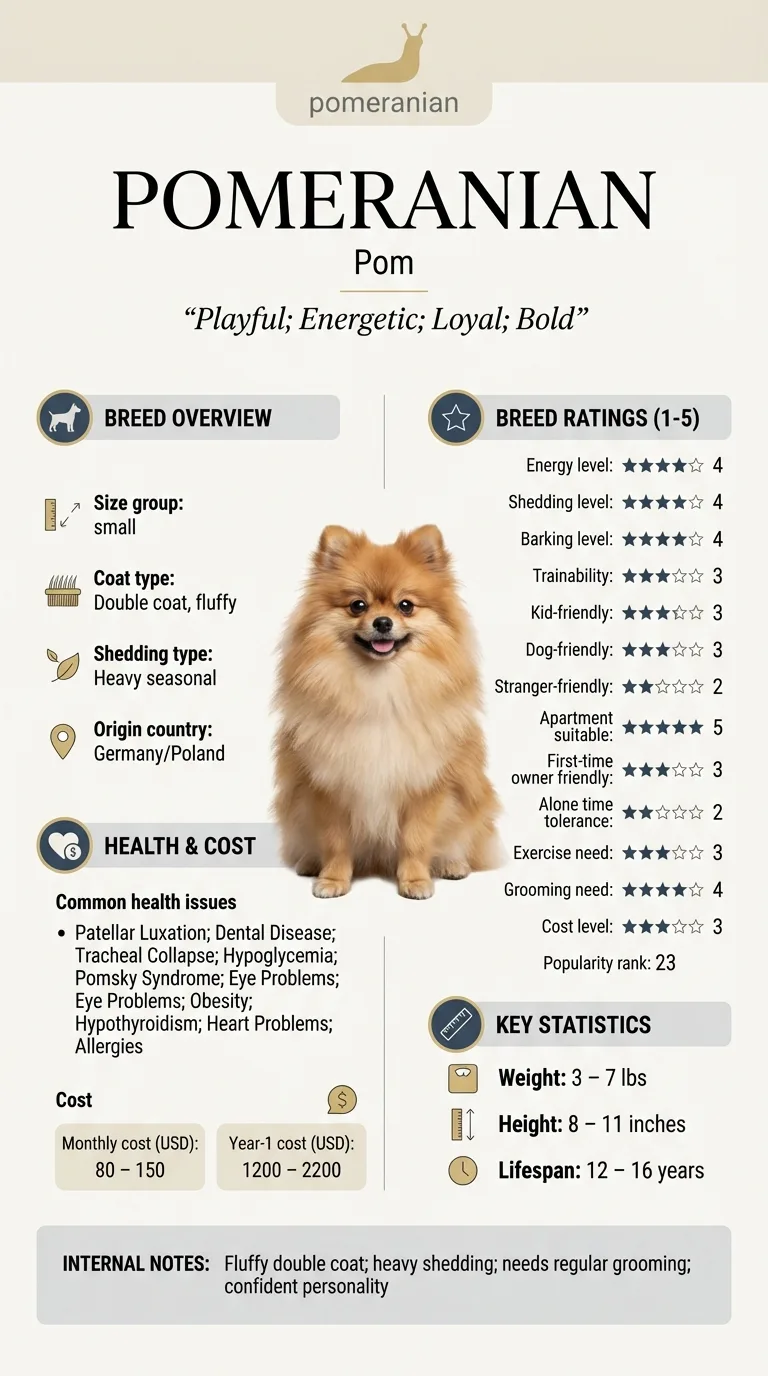
Many Pomeranian owners, especially first-time pet parents, may find themselves worried about their dog's heart health. Those who have active lifestyles or live in smaller spaces might also notice these issues more, as their Pom's energy levels and stress can exacerbate heart conditions.
This guide is not medical advice. If your dog shows pain, sudden behavior change, or worsening symptoms, consult a licensed veterinarian.
Some links may be affiliate links. We may earn a commission at no extra cost to you. We only suggest products we believe are helpful for dog owners.
We research and check what we publish, but we do not warrant that any figure, date, price, or statement is accurate, complete, or current, and we accept no liability for any loss, cost, injury, or other harm arising from the use of this site. Use it as one reference among several. You remain responsible for your own decisions and for your dog's care - confirm anything that matters with a licensed veterinarian or another qualified professional before you act on it. Full disclaimer.
Check this first
Recognizing when Pomeranian heart conditions become an emergency is crucial for your dog’s health. Some symptoms signal that immediate veterinary care is necessary. Other symptoms may not require urgent attention but still need monitoring and a plan.
Red-flag signs that mean you should call your vet immediately include: - Difficulty breathing or rapid breathing - Persistent coughing, especially if it's accompanied by wheezing - Unexplained lethargy or weakness - Fainting or collapsing - Swollen abdomen or sudden weight gain
If you notice any of these symptoms, don’t wait. Your Pomeranian could be in serious trouble and needs help right away.
On the other hand, mild cases can often be monitored at home. For example, if your Pomeranian is exhibiting occasional coughing or seems a bit more tired than usual but is still eating and drinking, it may be manageable. You can keep track of their behavior, and if things worsen, you can contact your vet. It’s essential to have a plan in place, so keep notes on their symptoms and any changes in their routine.
Overall, being vigilant about your Pomeranian's health can make a significant difference. If you're unsure, it’s always better to err on the side of caution and consult your vet. They can guide you on how to stop Pomeranian heart conditions from worsening and provide advice tailored to your dog's specific needs.
If any of these apply, call your vet or an emergency clinic now. The rest of this page is for the cases that are not an emergency.
Pomeranian heart conditions can be a serious concern for dog owners. These small, fluffy dogs are prone to various cardiac issues, which can lead to symptoms like coughing, fatigue, and difficulty breathing. Owners often notice their Pomeranian struggling during playtime or showing signs of lethargy, which can be alarming.
Heart conditions are relatively common in Pomeranians, particularly as they age. Studies suggest that up to 10% of Pomeranians may develop some form of heart disease, making it crucial for owners to monitor their pets closely and consult with a vet regularly.
Pomeranians are prone to heart conditions mainly due to their small size and genetic predisposition. These factors can lead to issues like heart murmurs or congestive heart failure. As a breed, they may also inherit problems that can affect their heart health over time.
Environmental factors such as obesity, lack of exercise, and stress can exacerbate heart conditions in Pomeranians. A sedentary lifestyle, poor diet, or exposure to anxiety-inducing situations can all contribute to heart problems. Additionally, living in a noisy, chaotic environment may lead to increased anxiety, impacting their heart health.
If you notice persistent coughing, difficulty breathing, or unusual fatigue in your Pomeranian, consult your veterinarian. These symptoms could indicate underlying heart conditions that need medical attention. Regular check-ups are also vital for early detection of any health issues.
Avoiding common pitfalls can significantly improve your Pomeranian's heart health. Here are some mistakes to watch out for.
Start here: Pomeranian Most Common Genetic Disorders: What to Screen For
See all Pomeranian health problems, which breeds are prone to heart conditions, or the full Pomeranian breed guide for temperament, exercise needs and ownership costs.
Addressing Pomeranian heart conditions typically takes several months of consistent care and monitoring. Initial vet visits may reveal the issue, followed by ongoing treatment and lifestyle adjustments over the next 6-12 months.
Success means your Pomeranian manages their heart condition with a stable quality of life. You'll notice improvements in their energy levels, a decrease in symptoms, and overall happiness.
When Sarah, a busy nurse in San Diego, adopted her Pomeranian, Bella, she noticed Bella had trouble keeping up during walks. After a vet visit, Sarah learned Bella had a heart condition. Over the next year, Sarah committed to regular vet check-ups and adjusted Bella’s diet to include heart-healthy foods. They also started gentle exercise routines. Slowly, Bella regained her playful spirit, and their bond deepened as they navigated this journey together.
Key takeaway: With dedication, regular vet visits, and lifestyle changes, managing a Pomeranian's heart condition can lead to a happier, healthier pup.
Pomeranians may develop heart conditions due to genetic predispositions, obesity, or age-related factors. Regular vet check-ups can help identify issues early. Keeping your Pom at a healthy weight and managing their diet can also reduce risks.
Preventing heart conditions in Pomeranians involves maintaining a balanced diet, regular exercise, and routine vet visits. Keeping your dog active helps support heart health. If your Pom shows signs of distress, such as coughing or fatigue, consult a vet immediately.
Common signs include coughing, difficulty breathing, lethargy, and fainting. If you notice any of these symptoms, it's crucial to consult your veterinarian for further evaluation. Early detection can significantly improve outcomes.
Training can help manage your Pomeranian's weight and promote a healthy lifestyle, which is essential for heart health. Positive reinforcement training keeps them engaged and active. Consistent exercise routines can also prevent obesity, reducing heart condition risks.
Yes, a heart-healthy diet for Pomeranians often includes low sodium and high-quality proteins. Foods rich in omega-3 fatty acids can also promote heart health. Always consult your vet for tailored dietary recommendations.
Yes, certain heart conditions can be hereditary in Pomeranians. If you're considering getting a Pomeranian, ask the breeder about the heart health history of the puppy's parents.
For older Pomeranians, maintaining a healthy weight and a low-sodium diet can be beneficial. Regular vet check-ups are also crucial to monitor their heart health and adjust care as needed.
Even with a healthy lifestyle, Pomeranians can still develop heart conditions due to genetic factors or age. It's important to keep an eye on their health and seek veterinary advice if concerns arise.
Treatments may include medications to manage symptoms or improve heart function. In some cases, surgery might be necessary. Always discuss the best options with your vet for your Pomeranian's specific needs.
Maintain a healthy weight, monitor for symptoms, and schedule regular vet check-ups.
Ideally, schedule a vet visit at least once a year, or more frequently if your Pom has health issues.
Yes, consistent training and exercise support a healthy weight and heart function.
Yes, due to genetics and size, Pomeranians are more susceptible to heart problems.
Focus on low-sodium, high-quality proteins and consider omega-3 rich foods.
A one-page prep sheet for this condition: the signs, the questions to ask, what to get priced. Unlocks here.
You get: Vet visit prep sheet
No spam. One-click unsubscribe. See our privacy policy.
Preview page 1 before you decide.