Health
What are Pomeranian heart murmurs?
Pomeranian heart murmurs are abnormal heart sounds caused by turbulent blood flow, often linked to valve disease.

Quick answer
What are Pomeranian heart murmurs?
Pomeranian heart murmurs are abnormal heart sounds caused by turbulent blood flow, often linked to valve disease.
Pomeranian heart murmurs can be concerning for dog owners. These murmurs indicate potential issues with the heart valves.
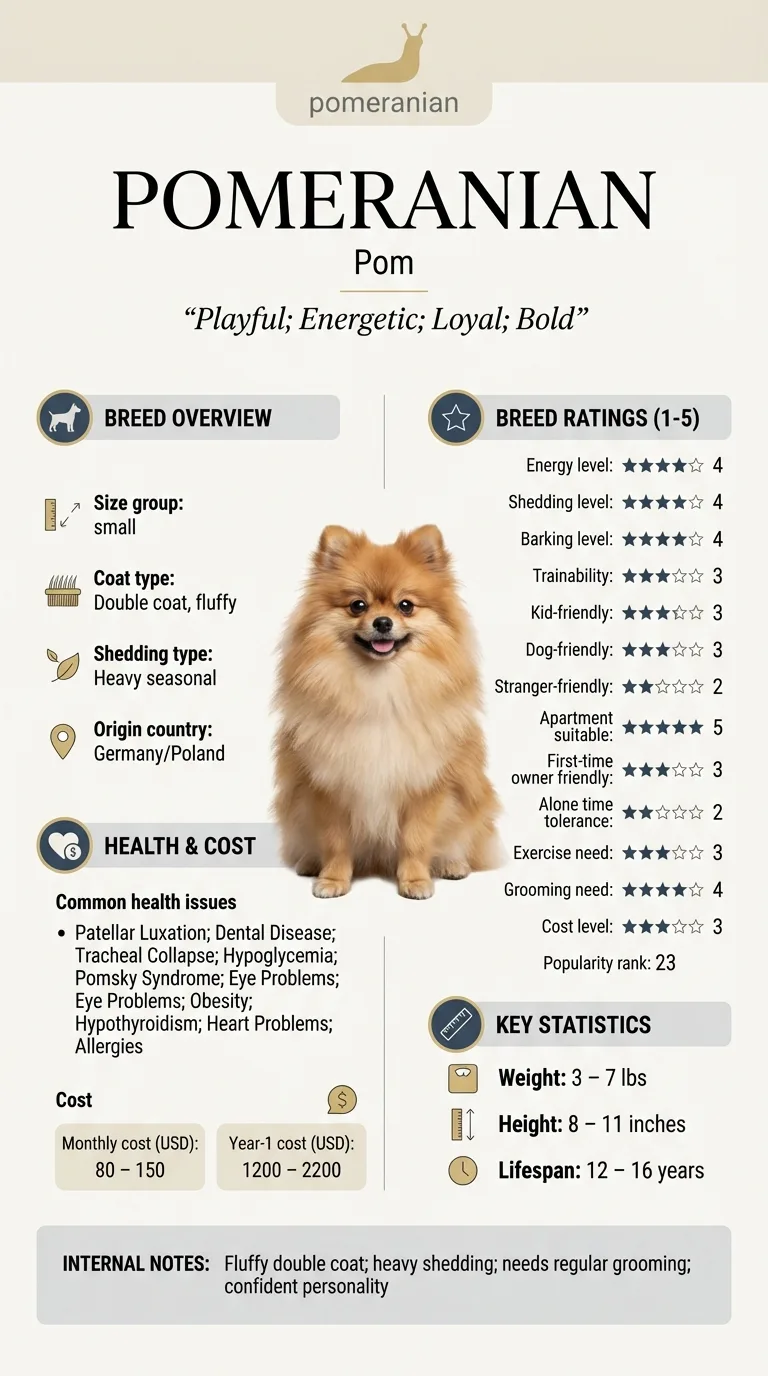
Typical owners facing this issue include those with Pomeranians that have been diagnosed with heart murmurs, as well as first-time dog parents who may be unsure about how to manage their pet's health.
This guide is not medical advice. If your dog shows pain, sudden behavior change, or worsening symptoms, consult a licensed veterinarian.
Some links may be affiliate links. We may earn a commission at no extra cost to you. We only suggest products we believe are helpful for dog owners.
We research and check what we publish, but we do not warrant that any figure, date, price, or statement is accurate, complete, or current, and we accept no liability for any loss, cost, injury, or other harm arising from the use of this site. Use it as one reference among several. You remain responsible for your own decisions and for your dog's care - confirm anything that matters with a licensed veterinarian or another qualified professional before you act on it. Full disclaimer.
Check this first
Pomeranian heart murmurs can range from benign to serious. It's crucial to recognize when you need to act quickly. If you notice any of these red-flag signs, call your veterinarian right away: sudden lethargy, difficulty breathing, persistent coughing, or fainting. These symptoms suggest that your dog may be in distress due to heart complications.
In less severe cases, you can monitor your Pomeranian with a plan. If your dog seems normal but has a heart murmur detected during a routine check-up, keep an eye on their energy levels and appetite. Regular vet visits are essential to track any changes. Look for signs like mild coughing or occasional tiredness, as these may not require immediate action but should be discussed with your vet.
Always trust your instincts. If something feels off, it's better to err on the side of caution. Regular monitoring and open communication with your vet can help manage your Pomeranian's health effectively. Knowing the difference between emergency signs and mild cases can make all the difference in your dog's well-being.
If any of these apply, call your vet or an emergency clinic now. The rest of this page is for the cases that are not an emergency.
Pomeranian heart murmurs can be concerning for owners. These murmurs often indicate underlying heart issues, and daily life may include noticing unusual breathing patterns or lethargy in your pup. If your Pomeranian seems more tired than usual or struggles with normal activities, it’s worth investigating whether heart murmurs are the cause.
Heart murmurs are relatively common in Pomeranians, especially as they age. Many Pomeranians may develop them due to their genetic predisposition and other health factors. Regular vet check-ups can help catch these issues early.
Pomeranians can be prone to heart murmurs due to their genetic makeup. This small breed often has inherited heart issues, particularly valve diseases like mitral valve disease. Their compact size may also contribute to heart strain over time.
Environmental factors such as obesity, lack of exercise, and high-stress situations can exacerbate heart problems in Pomeranians. Living in a noisy or chaotic environment may also increase their anxiety, potentially affecting heart health.
It's important to speak with your vet if you notice persistent coughing, lethargy, or difficulty breathing in your Pomeranian. These could be signs that their heart murmur is worsening and may require medical attention.
Avoid these common mistakes to help your Pomeranian manage heart murmurs effectively.
Start here: Pomeranian Most Common Genetic Disorders: What to Screen For
See all Pomeranian health problems, which breeds are prone to heart murmurs, or the full Pomeranian breed guide for temperament, exercise needs and ownership costs.
Managing Pomeranian heart murmurs typically takes a few weeks to a few months for noticeable improvement, depending on the severity and treatment plan.
Success looks like a stable heart condition, reduced symptoms, and your Pom being active and playful again.
When Jenna adopted her Pomeranian, Max, she noticed he was more tired than he should be for his age. After a vet visit, she learned he had heart murmurs. Determined to help him, Jenna followed the vet’s advice for a healthy diet and gentle exercise. Each week, she monitored Max's energy levels and adjusted his routine accordingly. After a few months, Max was back to his playful self, and Jenna felt relieved to see him thriving again.
Key takeaway: With the right care and attention, managing Pomeranian heart murmurs can lead to a happier, healthier dog.
Pomeranian heart murmurs are often caused by valve disease, where the heart's valves do not function properly. This can lead to blood flowing backward and creating the murmur sound. Factors like genetics, age, and other health issues can also contribute.
You may notice signs like coughing, fatigue, or difficulty breathing if your Pomeranian has a heart murmur. A veterinarian will typically diagnose this through a physical exam and possibly an ultrasound. Regular check-ups are essential for early detection.
Treatment for Pomeranian heart murmurs depends on the underlying cause. In some cases, medication can help manage heart function and improve quality of life. Always consult your vet for the best course of action.
Risks include heart failure and a decreased lifespan if the condition worsens. Regular vet visits can help monitor your Pomeranian's heart health and catch any serious issues early. It's essential to follow your vet's recommendations for care.
Supporting a Pomeranian with heart murmurs involves maintaining a healthy diet, regular exercise, and minimizing stress. You may also need to limit vigorous activities that could strain their heart. Always involve your vet in planning care.
Certain diets low in sodium and high in omega-3 fatty acids can support heart health in Pomeranians. Look for high-quality dog foods formulated for heart health. Always consult your vet before making dietary changes.
Pomeranian heart murmurs can occur due to various reasons, including congenital heart defects or acquired heart diseases. Regular veterinary check-ups are important to identify the specific cause and decide on the best treatment.
Pomeranian heart murmurs can be caused by various factors, including congenital heart defects and valve diseases. Age and health problems, such as obesity or dental disease, can also contribute. It's essential to consult a vet for a precise diagnosis.
If your Pomeranian shows signs like coughing, difficulty breathing, or lethargy, it's crucial to see a vet. Not all murmurs indicate severe issues, but these symptoms can suggest something more serious is at play. Regular check-ups are key to monitoring your dog's heart health.
Yes, heart murmurs are more common in older Pomeranians as they can develop age-related heart conditions. Regular vet visits are vital for older dogs to catch any heart issues early. Early detection can help manage their health effectively.
Yes, stress can exacerbate heart murmurs in Pomeranians. Situations that increase anxiety, like loud noises or unfamiliar environments, may lead to more pronounced symptoms. Implementing a calm routine and training can help reduce stress.
A balanced diet low in sodium and rich in essential nutrients is beneficial for Pomeranians with heart murmurs. Consult your vet for personalized dietary recommendations that suit your dog's specific health needs. Proper nutrition can support overall heart health.
Pomeranian heart murmurs are abnormal heart sounds caused by turbulent blood flow, often linked to valve disease.
Stopping heart murmurs entirely may not be possible, but managing the underlying health issues can help improve your Pomeranian's condition.
Consult your veterinarian for a treatment plan, which may include medication and lifestyle changes to support heart health.
Moderate, controlled exercise can be beneficial. Always follow your vet's advice on how much activity is safe.
Yes, heart murmurs are fairly common in Pomeranians, especially as they age. Regular vet visits can help monitor their heart health.
A one-page prep sheet for this condition: the signs, the questions to ask, what to get priced. Unlocks here.
You get: Vet visit prep sheet
No spam. One-click unsubscribe. See our privacy policy.
Preview page 1 before you decide.