DogBreedCompass
← Back to breed profile

Golden Retriever Gastrointestinal Disorders

Quick answer

What are quick tips for Golden Retriever gastrointestinal disorders?

Monitor their diet closely and consider switching to a sensitive stomach formula. Keep their environment calm to reduce stress. Lastly, regular vet visits are crucial for managing their health.

Golden Retriever gastrointestinal disorders can lead to discomfort and health issues for your dog. Understanding the signs and causes is essential for effective management.

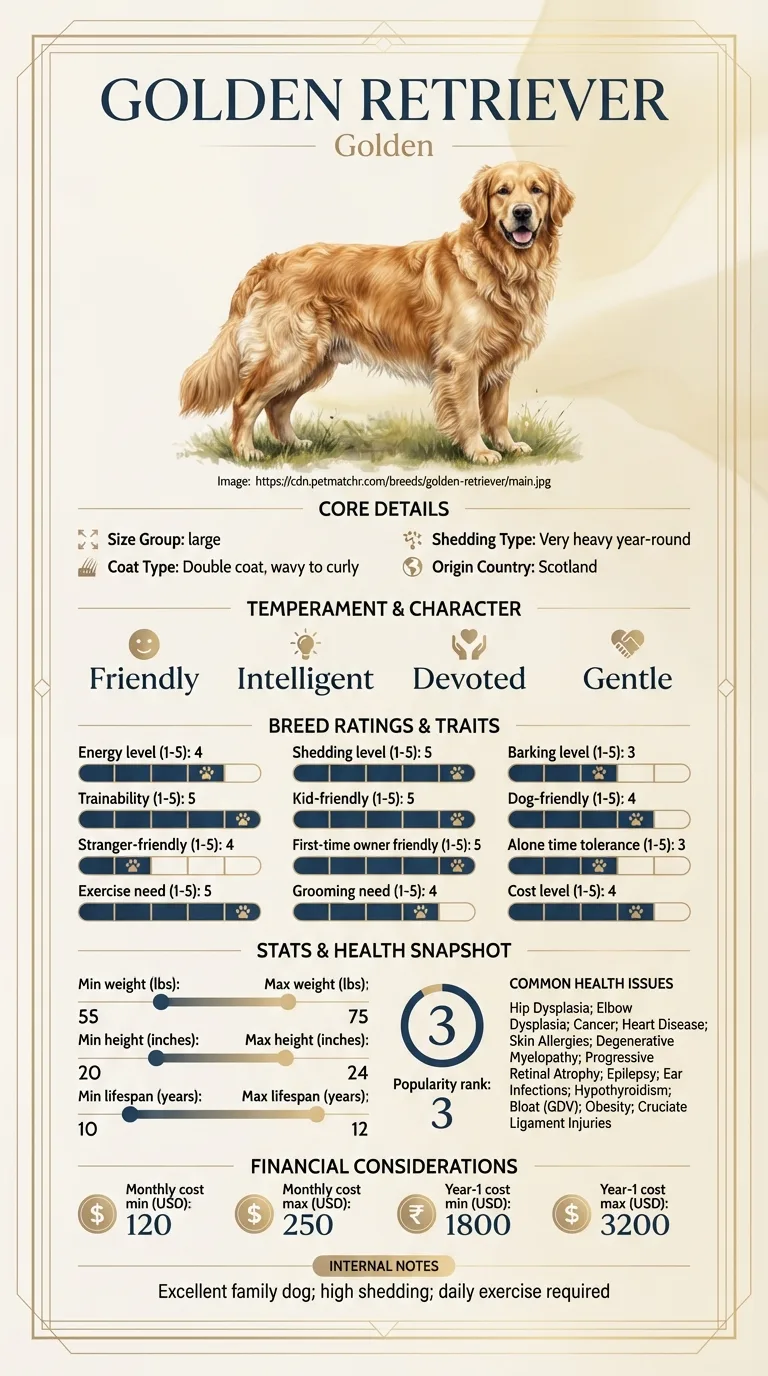
Golden Retriever Gastrointestinal Disorders infographic

Pet owners, especially first-time Golden Retriever owners, often struggle with gastrointestinal disorders. Busy families or individuals may find it challenging to identify symptoms and seek timely treatment.

Important reminder

This guide is not medical advice. If your dog shows pain, sudden behavior change, or worsening symptoms, consult a licensed veterinarian.

Some links may be affiliate links. We may earn a commission at no extra cost to you. We only suggest products we believe are helpful for dog owners.

We research and check what we publish, but we do not warrant that any figure, date, price, or statement is accurate, complete, or current, and we accept no liability for any loss, cost, injury, or other harm arising from the use of this site. Use it as one reference among several. You remain responsible for your own decisions and for your dog's care - confirm anything that matters with a licensed veterinarian or another qualified professional before you act on it. Full disclaimer.

Check this first

When Golden Retriever Gastrointestinal Disorders Are an Emergency

Golden Retriever gastrointestinal disorders can be serious, and recognizing when to seek immediate veterinary care is crucial. If your Golden shows signs of severe pain, persistent vomiting, or blood in their stool, these are red flags that mean you should call your vet right away. Additionally, if your dog is lethargic, refuses to eat for more than 24 hours, or has a swollen abdomen, these symptoms warrant urgent attention.

If any of these apply, call your vet or an emergency clinic now. The rest of this page is for the cases that are not an emergency.

What this problem looks like

Golden Retriever gastrointestinal disorders can cause various digestive issues that affect your dog's daily life. These disorders may present as vomiting, diarrhea, or discomfort after eating. If your Golden shows signs like loss of appetite or lethargy, it’s essential to pay attention, as these issues can severely impact their health and happiness.

Common triggers

  • Sudden changes in diet
  • Food allergies or sensitivities
  • Overeating or eating too quickly
  • Stress or anxiety
  • Ingesting foreign objects

Gastrointestinal disorders are relatively common among Golden Retrievers. Many owners report these issues at some point, especially with dietary changes or when their dog experiences stress. Being aware of these potential problems can help you act quickly and seek appropriate care.

Why this happens

Breed factors

Golden Retrievers are prone to certain gastrointestinal disorders due to their genetics. Conditions like inflammatory bowel disease and bloat can be more common in this breed. Their size and eating habits can also increase the risk of digestive issues.

Environment factors

Environmental factors such as diet, stress, and changes in routine can trigger gastrointestinal disorders. Feeding your Golden Retriever low-quality food or sudden diet changes can lead to stomach problems. Additionally, stress from moving or new family members may contribute to digestive troubles.

What you can do at home (once it is not an emergency)

When to talk to your vet

If your Golden experiences persistent vomiting, diarrhea, or other gastrointestinal symptoms for more than 24 hours, it’s essential to consult a vet. This is especially important if they seem lethargic or in pain, as these can signal serious health issues.

At home, alongside your vet's plan

  • Introduce a high-quality, balanced diet gradually. Start by mixing a small amount of the new food with their current food over several days.
  • Establish a consistent feeding schedule. Feeding your Golden at the same time each day can help regulate their digestion.
  • Monitor their stress levels. Create a calm environment and maintain routines to help reduce anxiety.
  • Keep an eye on their water intake. Ensure they have access to fresh water, as dehydration can worsen gastrointestinal issues.
  • Consider using probiotics. These supplements can support digestion and gut health in dogs.

Mistakes that make Gastrointestinal Disorders worse

Avoiding these common mistakes can help manage your Golden Retriever's gastrointestinal disorders more effectively.

  • Ignoring symptoms
  • Feeding inappropriate foods
  • Inconsistent feeding schedule
  • Overfeeding
  • Neglecting exercise
  • Skipping vet visits

See all Golden Retriever health problems, which breeds are prone to gastrointestinal disorders, or the full Golden Retriever breed guide for temperament, exercise needs and ownership costs.

What to expect, and how you know it is working

Addressing Golden Retriever gastrointestinal disorders can take 1 to 3 months. During this time, you may need to adjust diet, train for new behaviors, and monitor your dog's health closely.

Success means your Golden Retriever experiences fewer gastrointestinal issues, shows improved comfort, and has a more stable diet with regular, healthy bowel movements.

A Journey to Better Health for Max the Golden Retriever

Sarah, a first-time dog owner in Nashville, noticed her Golden Retriever, Max, frequently had upset stomachs and irregular bowel movements. After consulting with a vet, she learned that Max had gastrointestinal disorders linked to his diet. Determined to help him, Sarah switched to a vet-recommended diet and began a training routine to reduce stress around mealtime. After a few weeks, Max's symptoms improved significantly, and he became more energetic and playful.

Key takeaway: With patience and the right dietary adjustments, you can manage your Golden Retriever's gastrointestinal disorders effectively.

Frequently asked questions

Why does my Golden Retriever have gastrointestinal disorders?

Golden Retrievers can suffer from gastrointestinal disorders due to various factors, including diet, stress, or underlying health issues. Common conditions include inflammatory bowel disease and acid reflux. It's essential to observe their eating habits and consult a vet for a thorough evaluation. This answer relates to Golden Retriever gastrointestinal disorders.

How can I stop my Golden Retriever's gastrointestinal disorders?

To help manage gastrointestinal disorders in your Golden Retriever, start by adjusting their diet to include high-quality, easily digestible food. Gradually introduce any changes, and monitor their response. Regular vet check-ups can also help identify any specific allergies or intolerances.

What are the symptoms of gastrointestinal disorders in Golden Retrievers?

Symptoms can include vomiting, diarrhea, bloating, and loss of appetite. You may also notice weight loss or lethargy. If you observe these signs, consult your vet promptly for a proper diagnosis and treatment plan.

Are certain foods better for Golden Retrievers with gastrointestinal disorders?

Yes, foods that are low in fat and high in fiber are often better for Golden Retrievers experiencing gastrointestinal issues. Look for dog food labeled 'sensitive stomach' or consider a vet-recommended prescription diet. Always introduce new foods gradually to avoid further upset.

Can stress cause gastrointestinal disorders in my Golden Retriever?

Absolutely. Stress from changes in routine, environment, or even loud noises can trigger gastrointestinal issues. Ensuring a calm and stable environment for your dog can help reduce these stress-related symptoms.

How can I prevent gastrointestinal disorders in my Golden Retriever?

You can help prevent gastrointestinal disorders by providing a consistent diet, avoiding table scraps, and ensuring your dog has access to fresh water. Regular vet check-ups can also catch potential issues early.

Are certain Golden Retrievers more prone to gastrointestinal issues?

Yes, some Golden Retrievers may be more susceptible due to genetics or underlying health conditions. Keeping track of your dog's health history and discussing any concerns with your vet can be beneficial.

When should I take my Golden Retriever to the vet for gastrointestinal problems?

You should consult a vet if your Golden has persistent vomiting or diarrhea lasting more than 24 hours, shows signs of dehydration, or exhibits severe abdominal pain. Early intervention can prevent serious complications.

Can stress cause gastrointestinal disorders in Golden Retrievers?

Yes, stress can lead to gastrointestinal issues in dogs, including Golden Retrievers. Changes in routine, environment, or even separation anxiety can trigger these problems. Identifying and managing stressors is key to your dog's well-being.

Quick answers

View more answers
Behavior

What are quick tips for Golden Retriever gastrointestinal disorders?

Monitor their diet closely and consider switching to a sensitive stomach formula. Keep their environment calm to reduce stress. Lastly, regular vet visits are crucial for managing their health.

Living

How often should I feed my Golden Retriever with gastrointestinal issues?

It's best to feed them smaller meals more frequently throughout the day instead of larger meals. This can help prevent bloating and ease digestion.

Health

What should I do if my Golden Retriever vomits frequently?

If your Golden Retriever vomits more than once or shows other symptoms, contact your vet. Frequent vomiting can indicate a serious issue that needs medical attention.

Training

Are there specific training methods to help my Golden Retriever?

Training methods that focus on positive reinforcement can help reduce stress and anxiety, which may improve gastrointestinal health. Consider basic obedience classes or calming exercises.

Related DogBreedCompass guides

Bring the right questions to the vet

A one-page prep sheet for this condition: the signs, the questions to ask, what to get priced. Unlocks here.

You get: Vet visit prep sheet

No spam. One-click unsubscribe. See our privacy policy.

Preview page 1 before you decide.

Related guides