Behavior
What are some quick tips to manage Golden Retriever pancreatitis?
To manage Golden Retriever pancreatitis, keep their diet low in fat, avoid human food, and schedule regular vet check-ups.

Quick answer
What are some quick tips to manage Golden Retriever pancreatitis?
To manage Golden Retriever pancreatitis, keep their diet low in fat, avoid human food, and schedule regular vet check-ups.
Golden Retriever pancreatitis can be a serious health issue, leading to discomfort and long-term challenges for your furry friend.
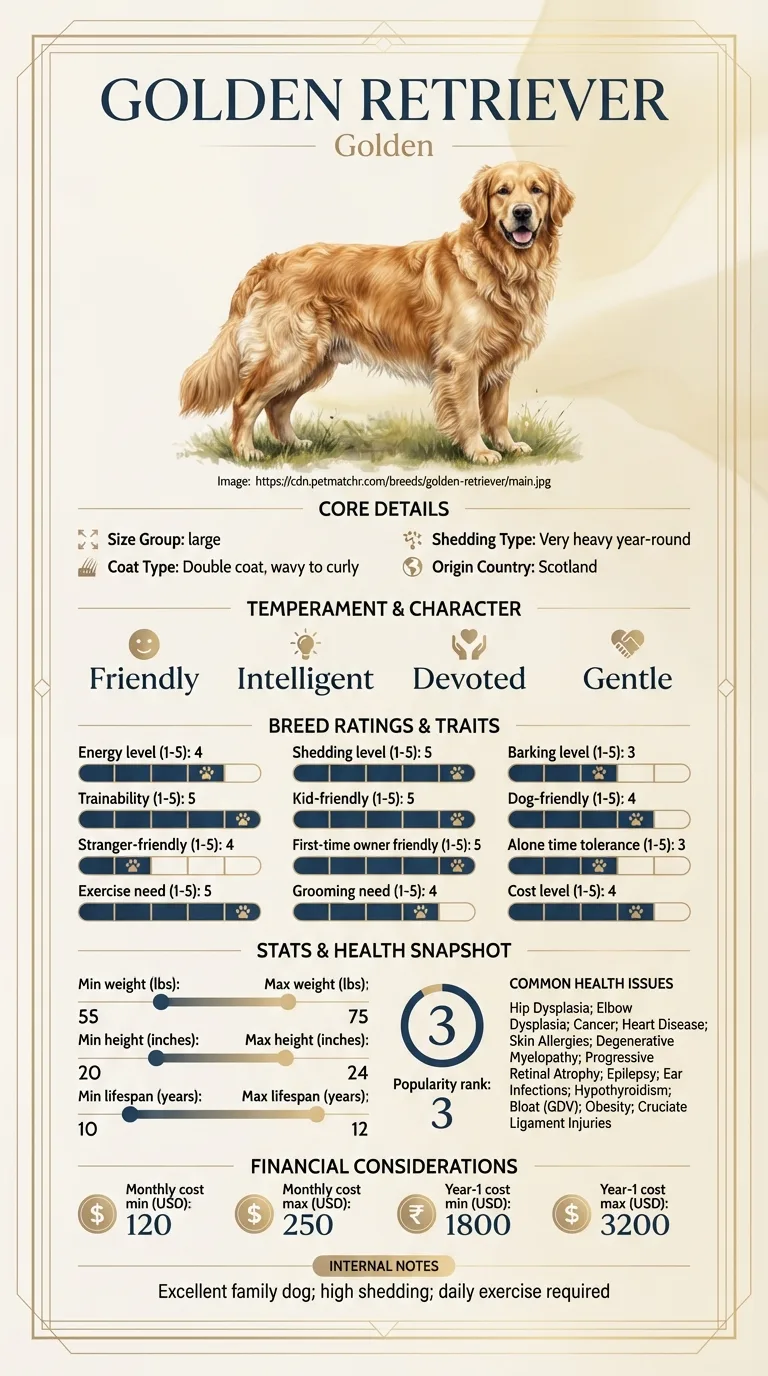
Owners of Golden Retrievers, especially those who may not be familiar with the breed's common health challenges, often struggle with pancreatitis. This condition can be particularly concerning for families with busy lifestyles or those who may inadvertently feed their dogs inappropriate foods.
This guide is not medical advice. If your dog shows pain, sudden behavior change, or worsening symptoms, consult a licensed veterinarian.
Some links may be affiliate links. We may earn a commission at no extra cost to you. We only suggest products we believe are helpful for dog owners.
We research and check what we publish, but we do not warrant that any figure, date, price, or statement is accurate, complete, or current, and we accept no liability for any loss, cost, injury, or other harm arising from the use of this site. Use it as one reference among several. You remain responsible for your own decisions and for your dog's care - confirm anything that matters with a licensed veterinarian or another qualified professional before you act on it. Full disclaimer.
Check this first
Recognizing when Golden Retriever pancreatitis is an emergency can save your dog's life. If your dog shows severe symptoms, like persistent vomiting, lethargy, or abdominal pain, it’s time to call your vet immediately. These signs can indicate a serious flare-up that requires urgent care.
Less severe symptoms, such as mild vomiting or changes in appetite, may not need immediate action. Instead, monitor your Golden Retriever closely and consult your vet for a management plan. Keeping track of their behavior can help you determine if their condition is worsening.
In summary, if your Golden Retriever experiences one or more of the following red-flag signs, seek veterinary assistance right away: - Severe abdominal pain or sensitivity - Continuous vomiting or diarrhea - Loss of appetite lasting more than 24 hours - Bloating or a swollen abdomen - Signs of dehydration (like dry gums or excessive thirst)
On the other hand, if your dog shows mild signs, such as occasional vomiting or minor lethargy, keep a close watch on them. Ensure they stay hydrated and adjust their diet as advised by your vet. Regular follow-ups can help you better manage their pancreatitis and reduce future flare-ups.
If any of these apply, call your vet or an emergency clinic now. The rest of this page is for the cases that are not an emergency.
Golden Retriever pancreatitis is a serious condition characterized by inflammation of the pancreas. This can lead to symptoms like vomiting, diarrhea, and severe abdominal pain. Day-to-day, this may look like your dog refusing to eat, having frequent bathroom accidents, or acting lethargic, which can be alarming for any owner.
Pancreatitis is relatively common in Golden Retrievers, particularly in middle-aged and older dogs. It's essential for owners to be aware of the signs and triggers to manage the condition effectively.
Golden Retrievers can be prone to pancreatitis due to their genetics and dietary habits. Their love for food can lead to overeating or consuming rich, fatty foods that trigger inflammation in the pancreas. Additionally, certain breeds, including Golden Retrievers, may have a predisposition to obesity, which is a significant risk factor for pancreatitis.
Environmental factors also play a role in pancreatitis. Stress, sudden diet changes, and exposure to toxins can contribute to this condition. For instance, a sudden switch to high-fat treats or table scraps can upset your dog's digestive system, leading to inflammation.
If your dog displays signs of pancreatitis, such as vomiting, lethargy, or abdominal pain, contact your vet immediately. It's essential to get a professional diagnosis and treatment plan to address the condition effectively.
Avoiding these common mistakes can help improve your Golden Retriever's pancreatitis situation.
Start here: Golden Retriever Most Common Genetic Disorders: Screening
See all Golden Retriever health problems, which breeds are prone to pancreatitis, or the full Golden Retriever breed guide for temperament, exercise needs and ownership costs.
Managing Golden Retriever pancreatitis typically takes several weeks to months. Initially, dietary changes should be implemented immediately, and regular vet check-ups will help monitor progress.
Success means your Golden Retriever shows improved digestion, increased energy levels, and a return to a healthy weight. Regular vet visits should confirm stable pancreatic function.
Samantha, a first-time dog owner, was devastated when her Golden Retriever, Max, was diagnosed with pancreatitis. After a few episodes of vomiting and lethargy, a vet visit confirmed her fears. Following her vet’s advice, Samantha switched Max to a low-fat diet and incorporated regular exercise into their daily routine. It took a few months, but with patience and careful monitoring, Max was back to his playful self, and Samantha learned to read his signals better.
Key takeaway: Consistent dietary management and a proactive approach to health can help your Golden Retriever overcome pancreatitis and lead a happy life.
Golden Retriever pancreatitis can be caused by a high-fat diet, certain medications, or underlying health conditions. It's important to monitor their diet and consult with your veterinarian to identify any specific triggers.
To prevent Golden Retriever pancreatitis, maintain a low-fat diet, avoid table scraps, and ensure regular vet check-ups. Keeping their weight in check and providing consistent exercise also helps reduce the risk.
Symptoms of pancreatitis in Golden Retrievers can include vomiting, diarrhea, abdominal pain, and lethargy. You may also notice a decrease in appetite or changes in behavior. If you observe these signs, it's important to seek veterinary care promptly.
While minor cases of pancreatitis might be managed at home with a special diet, it's crucial to consult your veterinarian first. They can provide the best treatment plan tailored to your dog's needs.
Pancreatitis is not directly hereditary, but some Golden Retrievers may be predisposed due to genetics or underlying health issues. Regular health screenings can help identify these risks early.
Training your Golden Retriever to avoid certain foods can be achieved through positive reinforcement. Reward them for sticking to their diet and redirect them when they show interest in forbidden foods.
If your Golden Retriever experiences a pancreatitis flare-up, contact your veterinarian immediately. They may recommend a special diet and medication to manage the inflammation effectively.
Golden Retriever pancreatitis can be caused by various factors, including high-fat diets, obesity, and certain medications. Stress from sudden dietary changes or infections can also trigger this condition. It's essential to monitor your dog's diet and consult a vet for any unusual symptoms.
Yes, older Golden Retrievers are more susceptible to pancreatitis due to age-related health issues and changes in metabolism. Regular vet check-ups can help catch and manage this condition early. If your senior dog shows signs like vomiting or lethargy, contact your vet right away.
To prevent Golden Retriever pancreatitis, maintain a balanced diet low in fat and avoid table scraps. Regular exercise and weight management are also crucial. Always introduce dietary changes gradually and consult your vet for personalized advice.
Yes, Golden Retriever pancreatitis is treatable, but it often requires a veterinary diagnosis and care. Treatment may involve medication, dietary changes, and sometimes hospitalization for severe cases. Early intervention can lead to a better recovery.
To manage Golden Retriever pancreatitis, keep their diet low in fat, avoid human food, and schedule regular vet check-ups.
Feed your Golden Retriever smaller, more frequent meals rather than large ones. This helps ease the digestive process and reduces strain on the pancreas.
Look for signs such as vomiting, decreased appetite, and lethargy. If these occur, contact your vet for advice.
Yes, pancreatitis can be more common in Golden Retrievers, especially if they have a history of obesity or dietary indiscretion.
Regular exercise is beneficial for maintaining a healthy weight, which can help prevent pancreatitis. Aim for daily walks and playtime.
A one-page prep sheet for this condition: the signs, the questions to ask, what to get priced. Unlocks here.
You get: Vet visit prep sheet
No spam. One-click unsubscribe. See our privacy policy.
Preview page 1 before you decide.