Behavior
What are quick tips for managing Golden Retriever hip dysplasia?
Focus on maintaining a healthy weight and provide low-impact exercises. Regular vet check-ups can help monitor your dog's condition effectively.

Quick answer
What are quick tips for managing Golden Retriever hip dysplasia?
Focus on maintaining a healthy weight and provide low-impact exercises. Regular vet check-ups can help monitor your dog's condition effectively.
Golden Retriever hip dysplasia is a common issue that can lead to serious mobility problems. Understanding it is crucial for your dog's well-being.
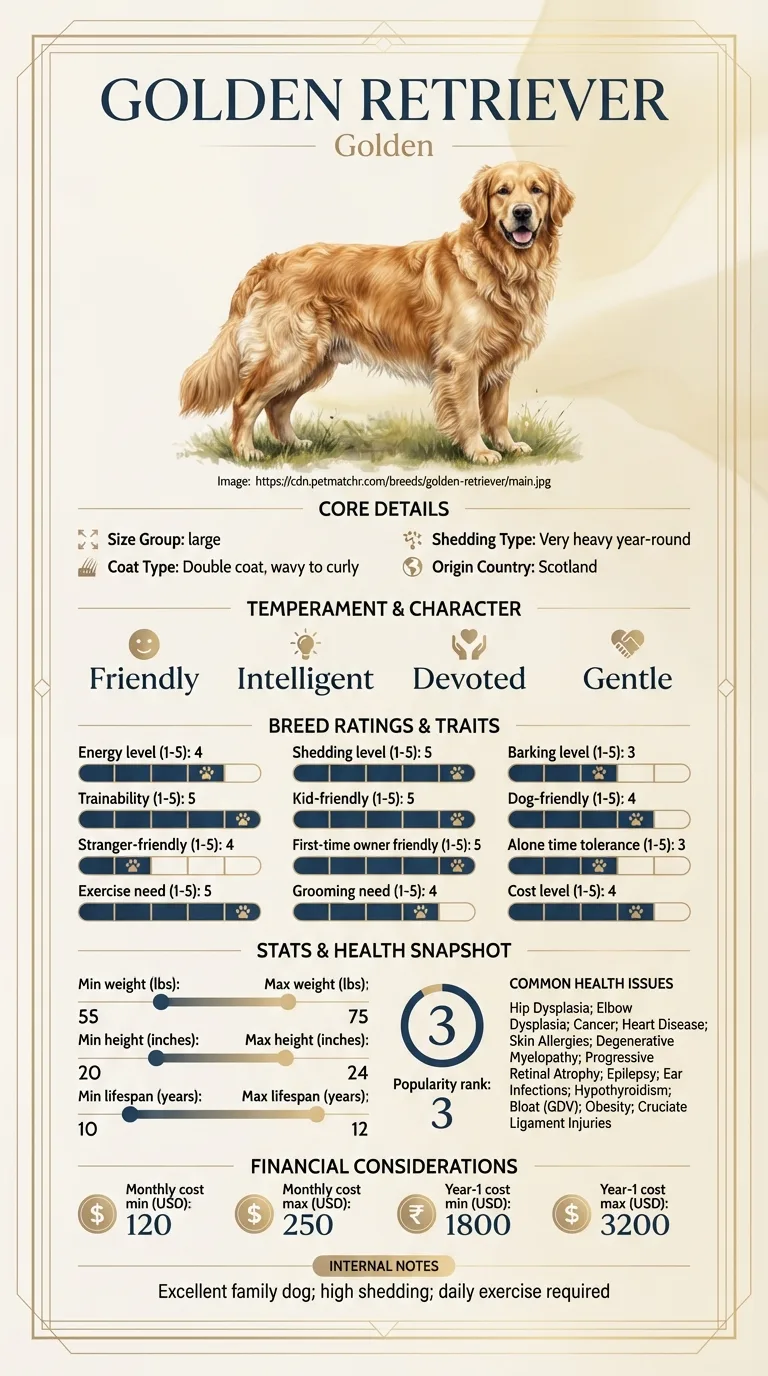
Owners of Golden Retrievers often face this challenge, especially as their dogs age. Many first-time pet parents may feel overwhelmed, unsure of how to manage their dog's health and comfort.
This guide is not medical advice. If your dog shows pain, sudden behavior change, or worsening symptoms, consult a licensed veterinarian.
Some links may be affiliate links. We may earn a commission at no extra cost to you. We only suggest products we believe are helpful for dog owners.
We research and check what we publish, but we do not warrant that any figure, date, price, or statement is accurate, complete, or current, and we accept no liability for any loss, cost, injury, or other harm arising from the use of this site. Use it as one reference among several. You remain responsible for your own decisions and for your dog's care - confirm anything that matters with a licensed veterinarian or another qualified professional before you act on it. Full disclaimer.
Check this first
Understanding when Golden Retriever hip dysplasia becomes an emergency is crucial for your dog's well-being. If you notice severe signs like your Golden Retriever yelping in pain, refusing to walk, or showing visible swelling in the hip area, it's time to call your vet immediately. These symptoms can indicate severe joint issues or even fractures that require urgent attention.
On the other hand, if your dog shows mild signs like occasional limping or reluctance to jump, you can monitor them for a while. Create a plan that includes gentle exercise and weight management. Keep an eye on their behavior and visit your vet if symptoms worsen or persist for more than a few days.
Regular check-ups and open communication with your vet can help manage mild cases effectively.
If any of these apply, call your vet or an emergency clinic now. The rest of this page is for the cases that are not an emergency.
Golden Retriever hip dysplasia is a common health issue that affects many dogs in this breed. It involves malformed hip joints, leading to pain, arthritis, and mobility challenges. Daily life for a dog with hip dysplasia can include difficulty getting up, reluctance to walk or play, and signs of discomfort when moving.
Hip dysplasia is quite common among Golden Retrievers, with studies showing that up to 20% of the breed may be affected. This condition is especially prevalent in larger dogs, where genetics play a significant role.
Golden Retrievers are predisposed to hip dysplasia due to their size and genetic factors. As a large breed, their joints must support more weight, which can lead to malformation. This condition is often inherited, meaning that if a puppy's parents had hip dysplasia, the puppy is at a higher risk.
Environmental factors can also contribute to Golden Retriever hip dysplasia. If a dog is overweight, it places extra stress on their joints, exacerbating any existing issues. Additionally, a lack of proper exercise or excessive jumping and running as a puppy can affect joint development.
If you notice signs of pain, limping, or reluctance to move, consult your vet. They can provide a proper diagnosis and treatment plan. Regular check-ups are important, especially for breeds prone to hip dysplasia.
Avoiding certain behaviors can help your Golden Retriever manage hip dysplasia better. Here are common mistakes to watch out for, along with safer alternatives.
Start here: Golden Retriever Most Common Genetic Disorders: Screening
See all Golden Retriever health problems, which breeds are prone to hip dysplasia, or the full Golden Retriever breed guide for temperament, exercise needs and ownership costs.
With consistent care and veterinary guidance, you can expect gradual improvement over 3 to 6 months.
Success means your Golden Retriever experiences less pain, improved mobility, and can enjoy daily activities like walks and playtime without difficulty.
When Sarah adopted Charlie, her playful Golden Retriever, she quickly noticed he struggled to get up after lying down. After a vet visit confirmed hip dysplasia, Sarah felt overwhelmed. She started Charlie on a vet-recommended diet, added supplements, and incorporated gentle exercises. Sarah also learned how to adjust Charlie's playtime to avoid too much strain on his joints. Over the next few months, she saw him regain energy and joy. Charlie could play fetch again, and their bond grew stronger through the experience.
Key takeaway: With the right support and adjustments, managing Golden Retriever hip dysplasia can lead to a happier and healthier life for your dog.
Golden Retriever hip dysplasia is often due to genetic factors, as it's a hereditary condition. Other contributing factors include rapid growth, obesity, and certain environmental influences. Regular vet check-ups can help identify the issue early.
Look for signs like limping, difficulty standing up, or reluctance to exercise. If your Golden struggles with stairs or seems uncomfortable when moving, it may be time to consult your vet. X-rays are the most effective way to confirm a diagnosis.
Treatment can include weight management, pain relief medications, and physical therapy. In severe cases, surgical options like hip replacement may be necessary. Always consult with your vet to determine the best approach for your dog's specific needs.
Maintaining a healthy weight is crucial, as excess pounds can worsen hip dysplasia. Regular, low-impact exercise helps strengthen muscles around the joint. Supplements like glucosamine can also support joint health, but check with your vet first.
A balanced diet high in Omega-3 fatty acids may help reduce inflammation. Look for dog foods formulated for joint health, and consider discussing a tailored diet plan with your vet. Regular portion control is key to preventing obesity.
Yes, gentle training can improve mobility and support joint health. Focus on low-impact activities and avoid strenuous exercises that may strain the hip joints. Positive reinforcement can encourage your Golden to stay active without overexerting.
While hip dysplasia can impact quality of life, many Golden Retrievers live full lives with proper care. Regular vet visits and a healthy lifestyle can help manage the condition. Average lifespan remains around 10 to 12 years.
Early signs of Golden Retriever hip dysplasia include difficulty getting up, reluctance to run or jump, and noticeable limping. You may also notice your dog favoring one leg over the other or showing signs of discomfort when climbing stairs.
Yes, Golden Retriever hip dysplasia can worsen as your dog ages. While some dogs may show minimal symptoms early on, arthritis and joint pain can become more pronounced over time, requiring more management and medical attention.
A balanced diet rich in omega fatty acids can help reduce inflammation and support joint health in Golden Retrievers with hip dysplasia. Consult your vet for specific recommendations on weight management and supplements to ensure your dog maintains a healthy weight, which is crucial for joint health.
Gentle, low-impact exercises like swimming or short walks can help keep your Golden Retriever active without putting too much strain on their hips. Always be cautious and consult your vet about suitable activities that match your dog's specific needs.
Surgery can be an option for severe cases of Golden Retriever hip dysplasia, especially if your dog experiences significant pain or mobility issues. Discuss with your veterinarian to evaluate if surgery or other treatments like medication and physical therapy are the best routes for your dog.
Focus on maintaining a healthy weight and provide low-impact exercises. Regular vet check-ups can help monitor your dog's condition effectively.
Surgery can be an option for severe cases, but it should be discussed with your vet to weigh the risks and benefits.
Aim for short, daily walks rather than long, strenuous sessions to keep their joints healthy without overexertion.
Glucosamine and Omega-3 fatty acids are popular supplements that may help support joint health. Consult your vet before starting any new supplements.
Yes, discomfort from hip dysplasia can lead to changes in behavior, like reluctance to play or increased irritability. Monitoring their mood is important.
A one-page prep sheet for this condition: the signs, the questions to ask, what to get priced. Unlocks here.
You get: Vet visit prep sheet
No spam. One-click unsubscribe. See our privacy policy.
Preview page 1 before you decide.