Health
What is Golden Retriever ARVC?
Golden Retriever ARVC is a heart rhythm disorder that affects the heart's pumping ability, common in this breed.

Quick answer
What is Golden Retriever ARVC?
Golden Retriever ARVC is a heart rhythm disorder that affects the heart's pumping ability, common in this breed.
Golden Retriever arrhythmogenic right ventricular cardiomyopathy (ARVC) is a serious heart condition that affects your dog's heart rhythm. Understanding this disorder is crucial for their health and well-being.
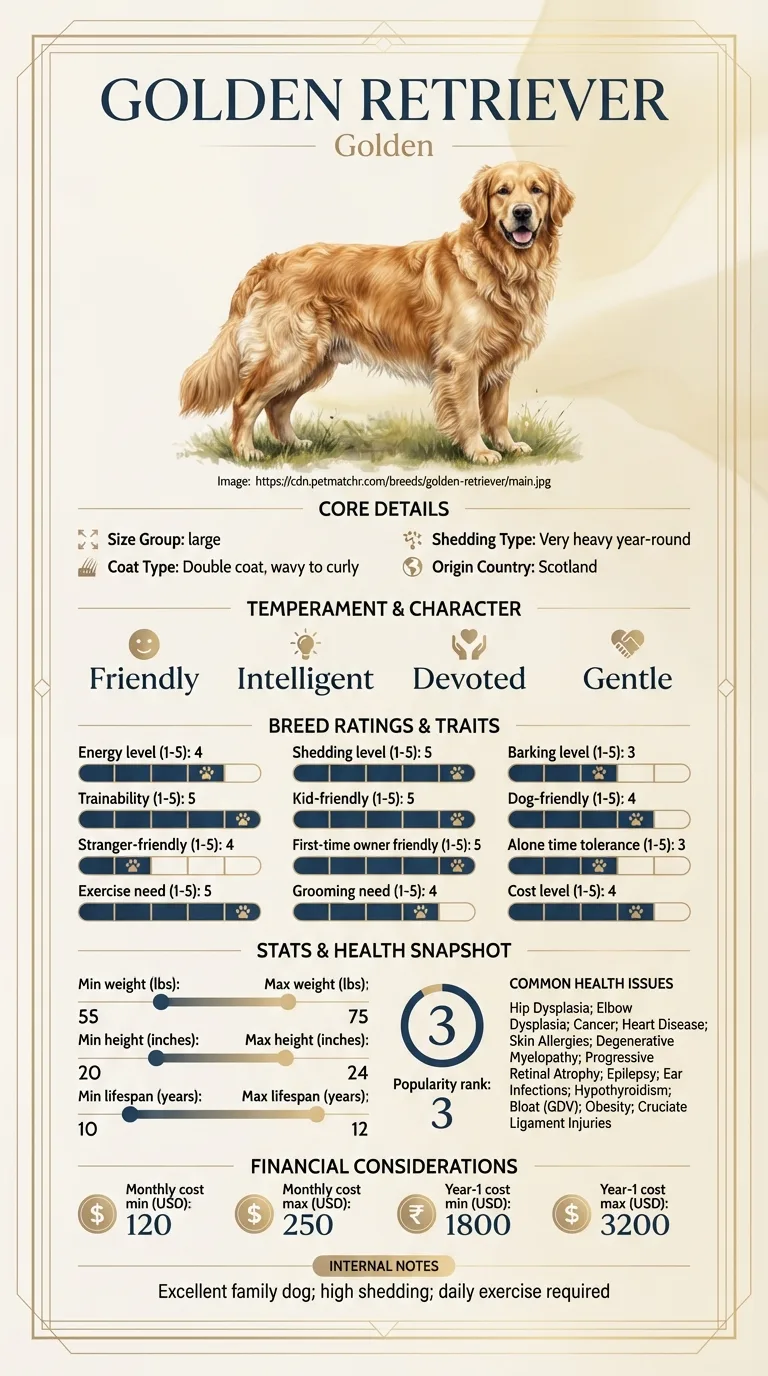
Dog owners who love their Golden Retrievers but notice unusual behaviors, like lethargy or fainting, may face this issue. It's common for first-time dog owners, busy families, or anyone who is deeply attached to their pets to feel overwhelmed when dealing with health concerns like ARVC.
This guide is not medical advice. If your dog shows pain, sudden behavior change, or worsening symptoms, consult a licensed veterinarian.
Some links may be affiliate links. We may earn a commission at no extra cost to you. We only suggest products we believe are helpful for dog owners.
We research and check what we publish, but we do not warrant that any figure, date, price, or statement is accurate, complete, or current, and we accept no liability for any loss, cost, injury, or other harm arising from the use of this site. Use it as one reference among several. You remain responsible for your own decisions and for your dog's care - confirm anything that matters with a licensed veterinarian or another qualified professional before you act on it. Full disclaimer.
Check this first
Knowing when Golden Retriever arrhythmogenic right ventricular cardiomyopathy (ARVC) is an emergency can save your dog's life. If your dog exhibits severe symptoms like fainting, extreme lethargy, or persistent coughing, call your vet immediately. These signs indicate that your Golden may be in serious trouble and needs urgent care.
On the other hand, if your Golden shows mild symptoms like occasional coughing or seems slightly more tired than usual, you can monitor the situation. Keep a close eye on their activity levels and behavior. If these symptoms persist or worsen, reach out to your vet for advice.
Creating a plan to track their condition can help you decide when to seek further assistance.
If any of these apply, call your vet or an emergency clinic now. The rest of this page is for the cases that are not an emergency.
Golden Retriever arrhythmogenic right ventricular cardiomyopathy (ARVC) is a serious heart condition that affects the rhythm of the heart. This disorder can lead to irregular heartbeats, which may cause fainting or even sudden collapse. Daily life for a Golden with ARVC can be challenging, as these symptoms may arise unexpectedly, impacting their ability to enjoy activities.
ARVC is relatively common in Golden Retrievers, especially as they age. Many owners may not notice early signs, making routine vet check-ups essential for managing this condition.
Golden Retrievers are prone to certain genetic conditions, including arrhythmogenic right ventricular cardiomyopathy (ARVC). This heart rhythm disorder can be inherited, making some dogs more susceptible based on their bloodlines. If your Golden comes from a lineage with known heart issues, they may be at increased risk.
Environmental factors can also contribute to ARVC. Stressful situations, such as frequent loud noises or changes in routine, can exacerbate heart conditions. Additionally, a lack of proper exercise or an unhealthy diet can impact overall heart health.
If you notice symptoms like excessive panting, lethargy, or fainting, contact your vet immediately. Regular check-ups are crucial for monitoring heart health, especially if your dog has a family history of ARVC.
Avoiding these common mistakes can help manage your Golden Retriever's arrhythmogenic right ventricular cardiomyopathy (ARVC) more effectively.
Start here: Golden Retriever Most Common Genetic Disorders: Screening
See all Golden Retriever health problems, which breeds are prone to arrhythmogenic right ventricular cardiomyopathy arvc, or the full Golden Retriever breed guide for temperament, exercise needs and ownership costs.
Managing Golden Retriever arrhythmogenic right ventricular cardiomyopathy (ARVC) is an ongoing process. Expect to see gradual improvements in your dog's health and behavior over 3 to 6 months with consistent care.
Success means your dog maintains a stable heart rate and exhibits fewer symptoms. Your Golden should still enjoy daily activities while being monitored closely for any changes.
When Sarah adopted her Golden Retriever, Lily, she was excited to have a loyal companion. A few months later, Lily was diagnosed with arrhythmogenic right ventricular cardiomyopathy (ARVC). At first, Sarah felt overwhelmed, unsure how to manage Lily's condition. She consulted her vet, who provided a detailed care plan that included medication and lifestyle adjustments. Sarah learned to monitor Lily closely for signs of distress and adapted their exercise routine to accommodate her needs. Over time, Lily adjusted to her new normal, and Sarah found comfort in their routine together.
Key takeaway: With the right support and care, you can help your Golden Retriever live a fulfilling life despite health challenges like ARVC.
Golden Retriever arrhythmogenic right ventricular cardiomyopathy (ARVC) is a heart rhythm disorder that can affect the heart's ability to pump blood effectively. It is particularly common in Golden Retrievers and can lead to serious health issues if not managed properly.
Symptoms of ARVC may include lethargy, weakness, fainting, or an unusual heart rhythm. If you notice any of these signs, consult your veterinarian for an evaluation and possible diagnostic tests.
Treatment options often include medication to manage heart rhythm and improve heart function. Your vet may also recommend regular monitoring and lifestyle changes to keep your dog as healthy as possible.
While ARVC may not be entirely preventable due to its genetic nature, regular veterinary check-ups and a healthy lifestyle can help manage the condition. Early detection is key, so be proactive with your dog's health care.
Exercise is important, but it should be moderate and closely monitored. Consult your veterinarian to determine a suitable exercise plan that keeps your dog active without overexerting them.
ARVC can be serious and may lead to complications, but with proper management and treatment, many dogs can live comfortably. Regular veterinary care is crucial for monitoring the condition.
Common symptoms of ARVC in Golden Retrievers include lethargy, fainting, and irregular heartbeats. If your dog shows any signs of distress, it's essential to consult a vet for a proper diagnosis.
While there is no cure for ARVC, treatment options are available to manage the condition. This may include medications to regulate the heart rhythm and lifestyle changes to reduce stress on your dog's heart.
Yes, ARVC can be hereditary in Golden Retrievers. If you’re considering breeding, it’s crucial to have both the sire and dam screened for this condition to reduce the risk of passing it on to the puppies.
Supporting your dog involves regular vet check-ups and adhering to a low-stress routine. Keeping them calm and avoiding excessive exercise can help manage their condition.
If you notice any symptoms like fainting, excessive tiredness, or changes in behavior, it's vital to see a vet immediately. Early intervention can improve your dog's quality of life.
Golden Retriever ARVC is a heart rhythm disorder that affects the heart's pumping ability, common in this breed.
While ARVC can't be cured, managing your dog's health with medication and regular vet visits can help control the condition.
Symptoms include lethargy, weakness, and fainting. Watch for any changes in your dog's behavior.
Moderate exercise is beneficial but should be supervised to prevent overexertion; consult your vet for guidance.
Yes, ARVC is often genetic, so dogs with a family history of heart issues may be at risk.
A one-page prep sheet for this condition: the signs, the questions to ask, what to get priced. Unlocks here.
You get: Vet visit prep sheet
No spam. One-click unsubscribe. See our privacy policy.
Preview page 1 before you decide.